





















The “Decorative rabbit” archetype
Cultural context
Across Europe the rabbit has long stood for gentleness and virtue. It turns up in church paintings, in woven patterns and on pieces of jewelry, and in a farmhouse the mother rabbit is the picture of a snug, well-kept home, while rabbits in general recall how generous the soil can be. Folk tradition links them with abundance and the blessing that comes with it, yet it also sees in them a slackness of will, the kind that lets a person lean on others until leaning becomes a way of life.
Scales
In this tradition the rabbit is a creature of stamina and quick breeding, and its softness takes the heat out of quarrels before they catch. Something about it feels set apart, almost forbidden, as if it guarded a secret meant for few. It is shy in company, happier following than leading, honest to a fault, and drawn to quiet closeness with one chosen companion. It is tender, moved by other people's feelings, and willing to help the group at some cost to itself. Play comes naturally to it, and so does curiosity, though both stay tied to old customs and familiar habits. Still, the same stories call the rabbit timid: at the first hard moment it backs away, and it will give way even when giving way costs it something it needed.
Strong traits
Purity, fertility and softness make up the core of this archetype. Purity keeps thoughts and deeds clear and has no taste for intrigue, which is lovely until someone clever notices how easily it can be fooled; the rabbit builds trust around itself and then gets hurt when people disappoint it. Fertility spends energy generously and opens new doors for everyone nearby, though it tends to promise more than one pair of paws can carry. Softness calms the room and sets out a cushion for whoever is upset, yet it makes a hard decision or a firm refusal painfully difficult, and a kind creature with that habit is soon used.
Noticeable traits
Behind that charm sit two quieter forces, Cowardice and Weak Will. Cowardice is a survival instinct that stays on guard even in a safe meadow; it spares the rabbit needless risks, and it also makes it retreat in the very minute when courage was wanted. Weak will lets the rabbit bend to circumstances and sidestep arguments, but goals slip away in the process and other people's decisions fill the gap. What the rabbit needs is something steady of its own to stand on, and it rarely finds that by looking around for someone stronger.
How to be around
How should you treat a rabbit? Begin by praising what is already good in it, the tidiness and the kindness, and show real interest in its many small projects. Do not take over its decisions, or it will gladly let you. Its caution is genuine and deserves respect, while courage grows from small steps taken with you nearby and, eventually, without you.
With a woman
A woman-rabbit tends to say yes first and count the cost later. Tell her ahead of time, "If you would rather skip it, say so, and I will be glad of the honesty." Then keep your word when she does. Praise the evening she turned something down as warmly as the one she hosted. Over a few months the reflexive agreement loosens, and you begin to hear what she actually wants for dinner, for the weekend, for her life.
With a man
A man-rabbit is forever starting things: a vegetable bed, a shelf for the garage, a trip with old friends. Ask to see the unfinished shelf and admire the part that works before you mention the part that does not. Offer a Saturday morning with a second pair of hands, and let him decide which screw goes first. When he finishes something, even something small, say out loud what you liked about it. He keeps those words longer than he keeps the shelf.
With a teenage boy
A teenage boy-rabbit often goes quiet in a noisy house. Agree on a door that nobody opens without knocking, and hold the family to it. Ask him which of his half-started hobbies he would hate to lose, then help with the dull first step, such as ordering the part or finding the manual, and leave the rest to him. Skip the dinner-table questions about school; a remark about a game or a song he likes gives him a way in without making him perform.
With a teenage girl
A teenage girl-rabbit absorbs other people's moods like a sponge and then carries them around as her own. When she goes quiet, skip the interrogation. Sit beside her with a mug of something warm and talk about the neighbor's dog or a series you both half follow. Cross-examining makes her shrink; ease lets her check whether you are safe, and by evening she is often telling you the whole thing herself, in pieces, looking at the wall.
With a child
A child-rabbit likes games that are small and orderly: a burrow made of cushions, pebbles lined up by size, a toy family tucked into bed. Join on his terms and accept whichever part he hands you. When he freezes in front of something frightening, crouch to his height and cover the last three steps together, hand in hand, counting aloud. The count gives his fear a shape, and a shape is easier to cross than a cloud.
With an animal
An animal-rabbit feels safest with a hideout it can enter and leave at will, its door facing the room. Offer a carrot flat on your open palm, low to the floor, because a hand coming down from above looks like a hawk. Keep mornings quiet, change the bedding often, and sit still while it makes up its mind. Trust arrives as a nose against your fingers.
After a quarrel
To quarrel with a rabbit or get under its skin, corner it just as it is gathering courage to speak, then block the way out. Keep comparing a woman-rabbit with more confident women; hand a man-rabbit somebody else's goal and call it his own; tell a teenage boy-rabbit he is soft; bang pans beside a child-rabbit's hiding place; and snatch up an animal-rabbit without warning. Any of these turns a sweet creature into a trembling statue.
How to befriend
To befriend a rabbit or win it over, make warmth feel ordinary: the same chair, the same tea, the same greeting each day. Do not let that warmth become a place it hides. A woman-rabbit relaxes beside someone who walks next to her and never tows; a man-rabbit values a witness to his projects; a teenage boy-rabbit, a door that locks from inside; a teenage girl-rabbit, an evening with no required conversation; a child-rabbit, a bedtime story told the same way every night; and an animal-rabbit melts for a quiet hand and a full hay rack.
Similar archetypes
Close facets: images with a similar set of qualities.
Complete opposite
The opposite facet: images whose qualities point the other way.
- Human Flea
- Dog Flea
- Oriental Rat Flea
- Hen Flea
- Northern Rat Flea
- chigoe flea
- Hedgehog Flea
- new zealand bat flea
- Martin Flea
- cat flea
- Ceratophyllus farreni
- Chaffinch Flea
- Rabbit Flea
- Mouse Flea
- sticktight flea
- Squirrel Flea
- Sparrow Flea
- Amalaraeus dissimilis
- Northern Flea
- Ceratophyllus chasteli
- Bed bug
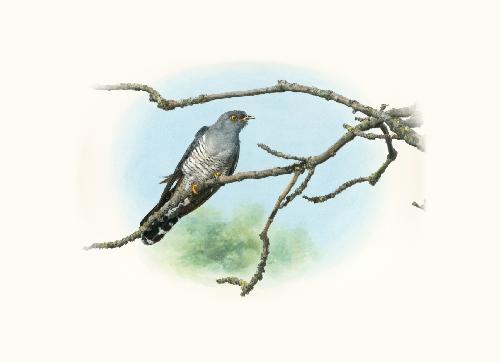
- European Cuckoo
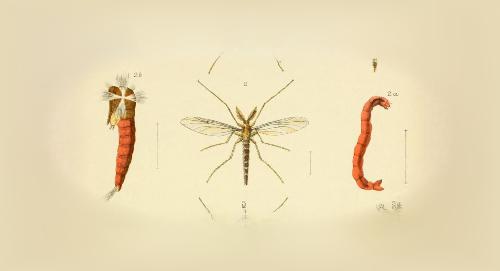
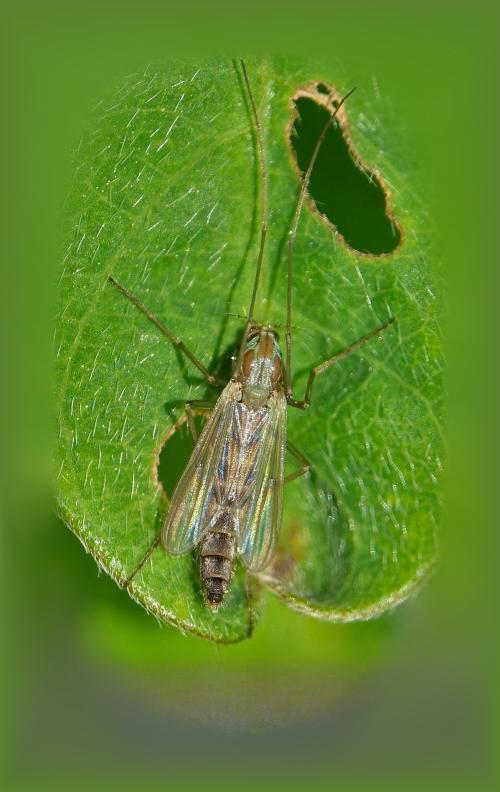
- Black midge
- Thick-tailed midge
- New Zealand midge
- Yoshimatsu's midge
- Dorsal midge
- Serres' midge
Find your most suitable archetypes
Archetypes are facets of personality and behaviour: sometimes a hamster, sometimes a lion. Take a test for yourself, a friend or a pet.