








The “Brown recluse spider” archetype
Cultural context
In North America the brown recluse belongs to the places people stop looking at: the back of a woodpile, the gap behind a dusty shelf, a cabin nobody has opened since the last owner left. Folk talk treats it as a warning on eight legs. A house where recluses turn up is a house to be careful in, and a deserted barn with their webs in the rafters is one to leave alone. In local legends the spider keeps company with malicious spirits and with dangers that hide behind a curtain of silence, and its quietness only deepens the dread. In fact it seldom attacks; it bites when it is squeezed against skin, trapped in a shoe or a folded towel. Still, the stories prefer the spooky version: a cursed spot, a creature that waits. The reputation suits a culture that has long respected people who watch before they act, and that gives a wide berth to anything that seems to know something it will not say.
Scales
Something forbidden hangs about the brown recluse, a sense that certain places and certain knowledge are best left closed. It is not reverence for custom. It is a feeling in the gut that some doors should stay shut, and it sits beside a restless hunt for meaning, a habit of poking at the line between the known and the unknown. Kindness is not its first instinct. Self-interest comes first, and there is a streak of cunning, greed and a sense of being owed. Argument comes easily, and stubbornness comes easier. The recluse is curious, though, and open to anything strange enough to be worth a look, while old customs leave it cold and it walks its own way even when that cracks the foundations. Under the cool surface it reads other people's moods with real sensitivity, and what it does with that knowledge is another matter. It can sense the ache in a room and use it as a lever as easily as a balm. Warmth, when it comes, is rationed, and kept behind a mask of indifference that fools most observers.
Core traits
Menace is the centre of the brown recluse. It arrives before the spider does: a prickle on the neck, a pause in the room, a hand that hesitates before reaching into a dark corner. That unease sharpens other people's attention and keeps the spider safe, since few care to test something that seems to be warning them. The cost is steep. Dread breeds distance, distance hardens into estrangement, and the recluse ends up in a ring of empty space that it helped to draw. Strength and loneliness come from the same source, and the spider rarely decides which one it is living in. People talk lower around it, tidy their sentences, check the corners of a room twice. Respect is granted, but it is the respect owed to a lit fuse rather than to a friend.
Strong traits
Spite and meanness run through its web like fine threads. Spite guards its private territory and shakes loose what has gone stale, but it also drives people off and starts quarrels nobody needed. Meanness is born of fear, and fear nudges toward a lie or a small betrayal when there is something to gain. Trust pays for it, and a reputation for pettiness follows. Yet the same spider can study its dark impulses and learn from them, and the one who does so slowly grows more honest, turning its sharp critical edge into something useful. Without that effort, the pattern repeats: a slight, a small sabotage, a quiet score settled, and a circle of acquaintances who no longer lean on its word. The web holds, but fewer visitors want to cross it.
How to be around
Dealing with someone of this type takes a light hand. The recluse likes its corner, notices every footstep, and counts a surprise visit as an attack. Be steady and visible, say what you plan before you do it, and let your habits become something it can predict. Quiet reliability will win more than charm ever could.
With a woman
A woman-brown recluse guards some part of her life as untouchable, so do not ask what is behind that door, and do not test the lock when you think she is out. Leave a mug of tea at the threshold and say that you will listen whenever she decides to talk. If she does open up, take what she offers and thank her for it, and keep the secrets to yourself.
With a man
With a man-brown recluse, argue on paper. Write him a short note with your reasons and name a day when you will come back to the question. Face to face, he hears a push as an intrusion and digs in; alone with a page, he reads it twice, and the stubbornness often loosens by itself.
With a teenage boy
A teenage boy-brown recluse comes out of his shell for a puzzle: a dead radio, a cipher, a floor plan of the old cellar. Put the problem on the table and sit nearby with your own task. Curiosity does the work that lectures cannot, and a muttered question from him is your cue to answer briefly.
With a teenage girl
A teenage girl-brown recluse picks up on moods and spots a fake compliment at once, so praise her only for things you really noticed. Be exact: tell her that she saw her friend was sad before anyone else, and that it mattered. Vague flattery makes her retreat into her shell, while a precise remark gets a small, rare smile.
With a child
A child-brown recluse hoards: pebbles, bottle caps, folded notes in a shoebox. Show that you are a safe keeper of secrets, and own up to the diary you once hid under a mattress. In games, set up trades where fairness pays off, so that handing something over brings something back. That teaches generosity without a sermon.
With an animal
An animal-brown recluse is best treated like a venomous lodger. Keep your hands out of cracks and woodpiles, wear gloves when you shift boxes, and do not shine a torch into its hiding place. It goes out at night along its usual route, and your job is to be somewhere else.
After a quarrel
To quarrel with this spider or get under its skin, burst in unannounced and pull back every curtain. The women are enraged by questions about private affairs, the men by an ultimatum delivered in front of others. Teen boys bristle when a hobby is laughed at, teen girls when pity is put on show. Small children cannot bear a search of the secret stash, and the spiders themselves hate a sudden glare of light and a shaken box. Whatever the age, the recluse does not shout. It answers with a chill, a long silence and a small revenge that you may not connect to the quarrel until much later: a lost key, a rumour, a favour that is suddenly not available. Crowding any of them in the hope of a quick apology is a poor bet.
How to befriend
To befriend a recluse or win one over, become reliable background: show up at the same hour and keep your word in small things. Women are won by patient silence beside them, men by clear arrangements honoured to the letter. A teen boy is drawn in by shared tinkering with a riddle, a teen girl by a sincere remark about how sharp her eyes are. Little ones fall for a shared secret, and the spider itself for a dim, calm corner with food left in it. Offer a lamp-free evening and an easy chair, and expect nothing in return for months. Warmth takes a long time to arrive, but once it comes, it tends to stay.
Similar archetypes
Close facets: images with a similar set of qualities.
- Tarantula (South Russian and others)
- Sydney funnel-web spider
- false bat
- common pipistrelle
- pygmy pipistrelle
- common pipistrelle
- serotine
- natterers bat
Complete opposite
The opposite facet: images whose qualities point the other way.
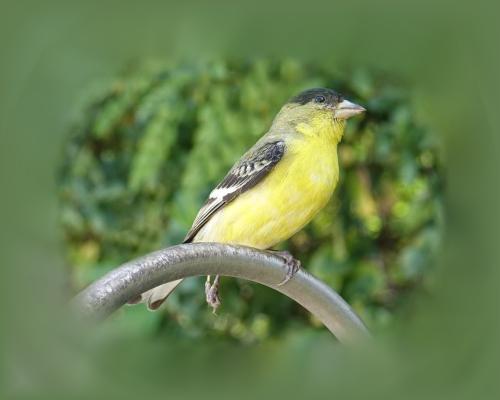
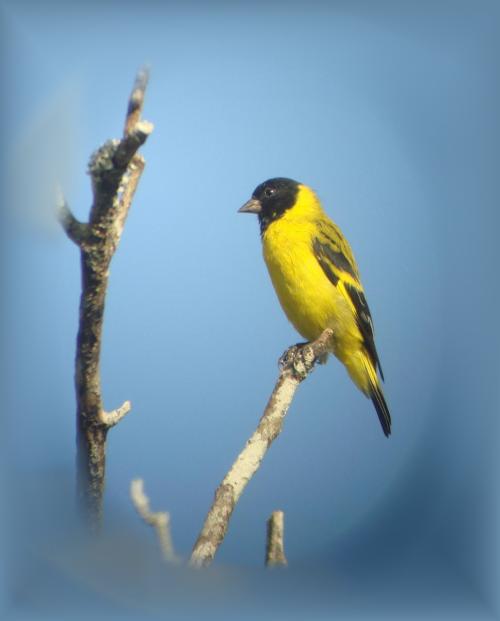
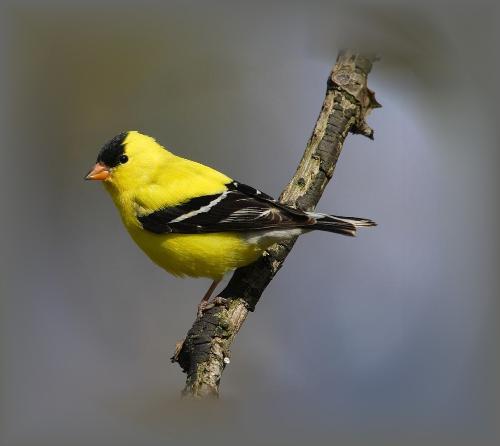
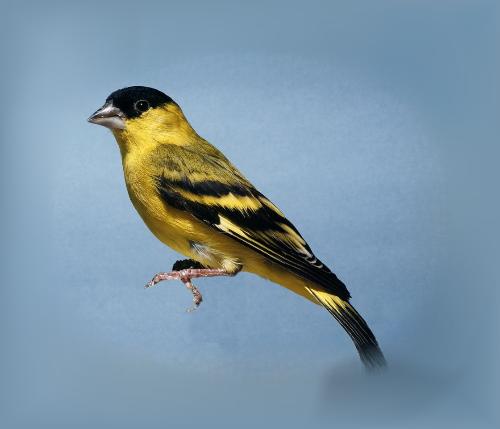
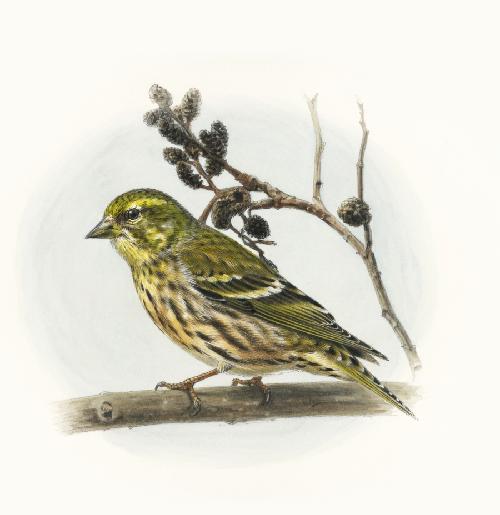
- eurasian siskin
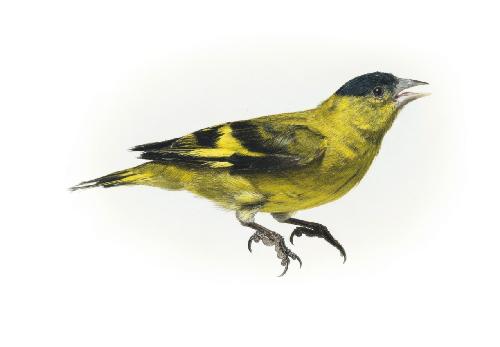
- Black-headed Siskin
- olivaceous siskin
- eurasian siskin
- eurasian siskin
- eurasian siskin
- eurasian siskin
- eurasian siskin
- eurasian siskin
- eurasian siskin
- hooded siskin
- eurasian siskin
- tibetan serin
- andean siskin
- yellow-bellied siskin
- saffron siskin
- lawrence's goldfinch
- Chamois
- wild boar
- Duck
- Pelican
- common rorqual
- brown lipped snail
- mallard
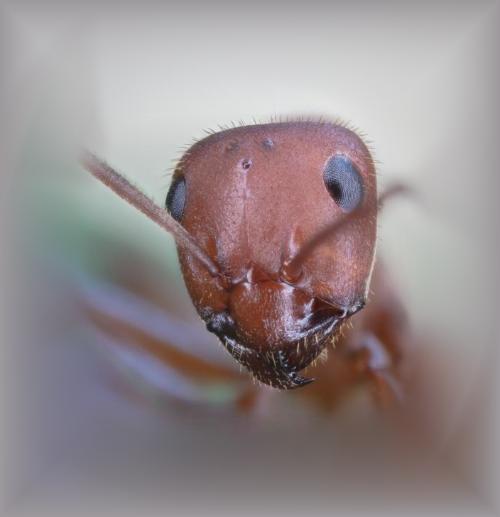
- red wood ant
- Common Frog
Traits and their opposites
Each trait of this archetype — and what is opposite to it.
- Harmfulness ↔ Benevolence
Find your most suitable archetypes
Archetypes are facets of personality and behaviour: sometimes a hamster, sometimes a lion. Take a test for yourself, a friend or a pet.