






















The “Quail” archetype
Cultural context
In the European countryside the quail is a bird heard far more often than seen: it crosses the Mediterranean on short wings, hides in standing grain, and sends its liquid call across the meadow at dusk. Old stories remember flocks of exhausted quail dropping out of the sky to feed hungry travellers. In China people kept quail for their pluck and set them against each other in small fights, and the bird's name sounds like the word for peace, which made it a modest emblem of safe, quiet days. In Japan it was prized as a singer, its voice judged almost like a musical instrument's. In all three places the quail stays small, unshowy and unexpectedly stubborn.
Scales
Where the tradition looks closely at the quail, it sees a mind that likes to think things through and chew on a puzzle, housed in a body that is tougher than it looks. The bird is disciplined about its routines yet playful, quick to run, scuffle and show off in company. It is a sincere, fair-minded neighbour that gives help at its own cost, and it holds to old habits, though a pull toward the unfamiliar and a stubborn resistance to the flock's opinion keep it from ever being merely obedient.
Strong traits
Gentleness and aggression sit side by side in the quail, and neither bothers the other. It will cool a quarrel with a kind word, then flare the moment something of its own is threatened. Loyalty keeps it close to its people through hard winters, sometimes too close to the way things used to be, and bravery carries it forward when someone weaker needs a shield. The price is a habit of forgetting its own needs, and of being used by those who have noticed how soft it is.
Noticeable traits
Hard work in a quail is quiet and stubborn: it keeps scratching its furrow day after day and forgets to rest. Beside it lives cowardice, a fine instinct for self-preservation that flattens the bird against the ground at the first suspicious rustle, even in perfectly safe grass. The result is someone dependable who sometimes retreats just when a decisive step was needed, and who can look unreliable to people who never saw how much effort went on beneath the quiet. Rest, for this bird, is a skill it has to be reminded to practise.
Muted traits
Seasonality only tints the quail's character, but the tint is real. In spring it bursts into song and activity; by autumn it has gone quiet and inward. Moods and productivity can arrive at the wrong moment, so the same bird looks tireless in one month and nearly vanished in the next. Friends who understand this learn to wait out the silent weeks without taking them personally, because the song nearly always comes back with the first warm days, and the bird that returns is often stronger for its rest.
How to be around
Dealing with a quail goes best when you treat its year as a cycle rather than a fault. Speak gently but without flattery, match busy weeks with calm ones, and praise it for keeping its word. Make fun of its caution and you will meet the other side of its nature, the sudden one, which tends to arrive at exactly the wrong moment for the mocker. It remembers a kind word for a long time, and a cruel one even longer.
With a woman
A woman-quail wants to hear, out loud, that her honesty is valued; say it plainly and then back it up by taking some of the daily load she has carried for years. She is generous to the point of self-neglect, so thanks that come with action mean more to her than flowers. That lets her stop proving that a soft manner can hold a firm will.
With a man
A man-quail is careful by habit, and the care is calculation rather than weakness. Before you ask him to take a risk, show him where the back exit is, and he will surprise you with nerve. When tiredness overtakes him, leave him a quiet corner with a closed door.
With a teenage boy
A teenage boy-quail is restless and full of muscle, so invite him to run, climb or kick a ball somewhere he can burn off the energy. Comparing him with classmates sets his rebellious streak bristling, whereas a challenge between equals is one he will accept gladly, especially a race or a trial of strength that ends with a handshake instead of a lecture.
With a teenage girl
With a teenage girl-quail, start a conversation about whatever has caught her curiosity: a book, a riddle, a far country. Ask questions and listen to the end, because her mind loves open ground, and her decisions ripen of their own accord while she turns things over.
With a child
When a child-quail freezes in fear, crouch beside them and name the feeling: "That gave you a fright, didn't it?" Then walk together to the spot of the rustle and find out who is there. Courage grows quickly in a little one when someone warm stands close.
With an animal
An animal-quail needs a hideout before anything else: a corner of grass and dry stalks to burrow into, and seed offered from an open palm each morning. It will step out when it decides you are safe. Until then, sit nearby and keep quiet.
After a quarrel
To quarrel with a quail or get under its skin, mock its caution and corner it while it is still gathering courage. A woman-quail will bristle when her frankness is dismissed as tedious, a man-quail when he is made to back down in public, a teenage boy-quail when measured against others, and a teenage girl-quail when her questions are brushed off. A child-quail is hurt by laughter at its fear, and an animal-quail by a hand thrust into its shelter.
How to befriend
To befriend a quail or win it over, be constant: turn up at the hour you promised, keep your word, and never vanish without explanation. A woman-quail warms to a shared quiet task, a man-quail to an expedition where he can show his pluck, and a teenage boy-quail to a game and a joke. A teenage girl-quail answers a book passed across the table, a child-quail a hand held on the way to the noisy place, and an animal-quail patient feeding, day after day, from the same hand.
Similar archetypes
Close facets: images with a similar set of qualities.
- Reindeer
- European Badger
- Hereford Pig
- Fur seal
- African Ostrich (female)
- ostrich
- Goose
- canis lupus dingo
Complete opposite
The opposite facet: images whose qualities point the other way.
- Black widow spider
- Human Flea
- Dog Flea
- Oriental Rat Flea
- Hen Flea
- Northern Rat Flea
- chigoe flea
- Hedgehog Flea
- new zealand bat flea
- Martin Flea
- cat flea
- Ceratophyllus farreni
- Chaffinch Flea
- Rabbit Flea
- Mouse Flea
- sticktight flea
- Squirrel Flea
- Sparrow Flea
- Amalaraeus dissimilis
- Northern Flea
- Ceratophyllus chasteli
- Bed bug
- Golden Jackal
- Cockroach (domestic, red)
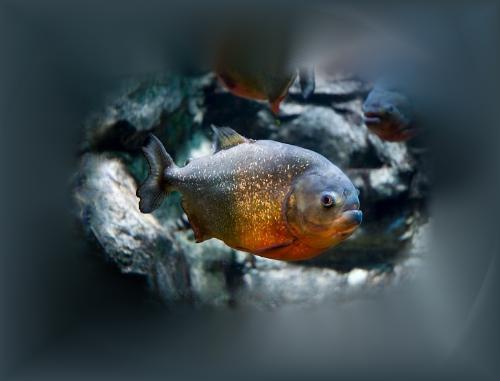
- Piranha
- Turkey
- laced moray
- eel
- dark moray
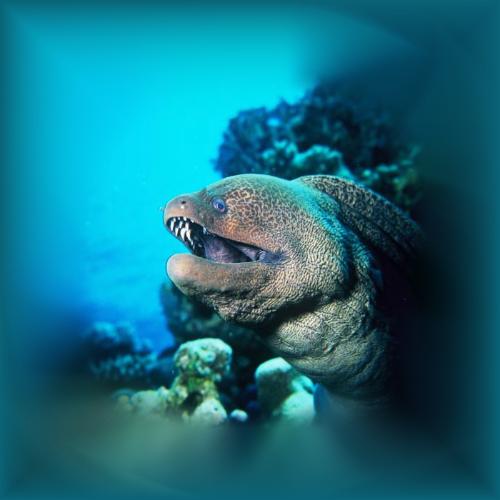
- giant moray
Find your most suitable archetypes
Archetypes are facets of personality and behaviour: sometimes a hamster, sometimes a lion. Take a test for yourself, a friend or a pet.