








The “Lynx” archetype
Cultural context
Across European, Scandinavian and Russian tradition the Eurasian lynx stands for wisdom, cunning and raw natural strength. Heraldry set it on shields as a guardian of borders and defender of forests, a cat that watches while others sleep. Celtic legend gave it a stranger gift: an inward eye able to pierce the dark and tell what lies hidden. Put together, the old images describe a creature that does not announce itself. It waits in shadow, listens, weighs, and acts only when the moment is right. People and animals who carry this archetype tend to be the ones who notice what everyone else walked past, who say little until it matters, and who guard both their territory and their inner life with equal care.
Scales
The lynx of this tradition is a hunter first, and the shape of its hunting says a lot. A hunger for standing and prestige keeps it at the top of its circle, while depth of thought and a taste for analysis let it work out what a situation is really made of. It is open to the new and the unfamiliar, and that openness is what lets it adapt when the forest changes. Stamina and physical strength make it formidable in open country, and discipline and a sense of responsibility turn that strength into something dependable. There is also play in it, a flicker of humour and lightness, and a quiet search for meaning that shows up as a feeling of kinship with the wild world. Against all this stands a stubborn, quarrelsome streak. The lynx is not always easy for other animals or people to live beside, and its sharp elbows can spoil relationships it would secretly like to keep.
Core traits
Vigilance is the lynx's bone structure. It sits in the tilt of the ears, the freeze mid-step, the glance that finds the exit before the head has even turned. This is more than nervousness: it is the knack of answering any threat in an instant while balancing readiness against caution. Little escapes it, and it hears a room change when someone lies or walks in angry. The price is that the watch never quite ends. The alertness that saves it from danger can curdle into anxiety, and truly relaxing is something it practises far less than it admits.
Strong traits
Dominance, pride, honesty and curiosity sit just beneath the watchfulness. Lynxes take the lead without asking and arrange the space around them to suit; they hold their boundaries firmly and will go without help rather than ask for it, even when help would be welcome. Their honesty is the plain kind: they say the true thing to your face and cannot dress it up, which earns trust and makes enemies in about equal measure. Curiosity is the softer engine. A lynx will follow a strange smell or a half-open door to see where it goes, and it picks up information fast, yet it sometimes abandons the practical task to chase the next discovery.
Noticeable traits
Cunning, courage, meanness, aggression and secrecy work deeper down. The lynx reads a situation well and finds the side door instead of the front one, though its plans can grow so intricate that no one else follows them. Courage lets it face a real enemy and protect what is its own, and now and then it springs before looking. Meanness is rare and comes out of fear, when its own safety seems at stake. Aggression flares in disputes over territory, and the habit of keeping things to itself makes close trust slow to build.
How to be around
How should you treat a lynx? Start from the fact that it prizes independence yet quietly values an ally. Take its watchfulness seriously instead of mocking it, and leave it the right to decide. Honesty is its currency, so pay in the same coin: say plainly what you want, admit what you got wrong, and skip the clever manoeuvres, because it will see them coming from the far side of the clearing.
With a woman
A woman-lynx wears her pride like a coat she never takes off, so the best praise is specific: name the decision she made and what it saved. Bring her a problem whole rather than as scraps of instruction, and leave the method to her. If she turns quiet after a setback, leave an open invitation instead of questions, something like "the kettle is on whenever you want it", and never dig up an old mistake to win a point; she remembers words said in anger long after you have forgotten them.
With a man
A man-lynx measures himself against his own record, not the neighbour's, so keep comparisons out of the conversation. Ask his opinion in front of others, because standing matters to him more than he will say. When you disagree, bring facts and make your case once, calmly; he respects a clean argument and bristles at a lecture. Flattery he smells at once, but a short, accurate remark about something he did well lands deep.
With a teenage boy
A teenage boy-lynx is often wound tight, checking every room and every face for threat. Show him by example how to tell a real danger from a rustle, and offer an outlet for his nerve: climbing, long hikes, a sport with real stakes but a rope attached. Let him win small arguments so he learns his word counts, and when he oversteps, talk afterwards, on a walk, shoulder to shoulder rather than across a table.
With a teenage girl
A teenage girl-lynx is curious about everything and finishes few things, which is less a flaw than a search. Lay out a few projects and let her choose, then actually listen when she explains her plan, even the strange ones. Ask what her instinct says before offering yours. If doubt creeps in, help her pick one thread to follow for a week; a small finished thing steadies her more than any lecture on persistence.
With a child
A child-lynx wants to poke into every cupboard and follow every sound. Turn that into games: track footprints in the garden, count birds from the window, hide a small object and let the child hunt for it. Agree on the safe boundaries before the adventure begins and state them once, clearly. When something frightens the little one, step in front without fuss; a young lynx forgives a shield, not a scolding.
With an animal
With an animal-lynx the first move is to sit down and look away. Let it come over, sniff your hand and decide for itself. Offer a high perch or a covered box where it can watch the room unseen, and never reach into that refuge. A cat whose wariness is simply accepted starts, in time, to follow you from room to room.
After a quarrel
To quarrel with a lynx or get under its skin, treat it as a suspect: question its motives, wander into its private corner, doubt its word. A woman bristles when her decision is overruled before witnesses, a man when he is quietly ranked below someone else. A teenage boy boils over at being watched, a teenage girl at being told her favourite pursuit is a waste of time, and a small child at being laughed at for endless questions. An animal simply hates a closed door and a hand in its hiding place. Whoever it is, the answer is the same cold, stubborn silence.
How to befriend
To befriend a lynx or win it over, be steady and straight; it spots a performance from across the clearing. Offer the woman a task that is plainly hers and let her see you noticed how well she handled the last one. With the man, share a project and mention his decisiveness once, plainly. A teenage boy warms to an invitation into the hills, a teenage girl to a long talk about her ideas, a child to a game of detectives. The animal comes round to whoever turns up at the same hour every day and never touches its hiding place.
Similar archetypes
Close facets: images with a similar set of qualities.
Complete opposite
The opposite facet: images whose qualities point the other way.
- wild boar
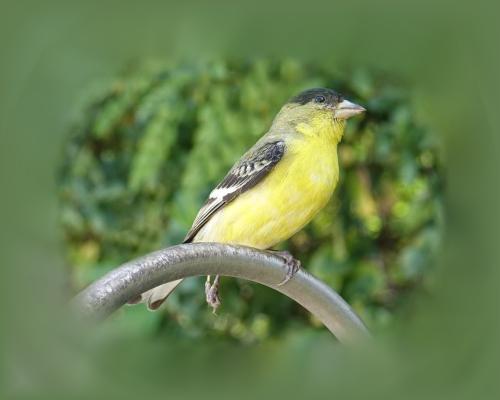
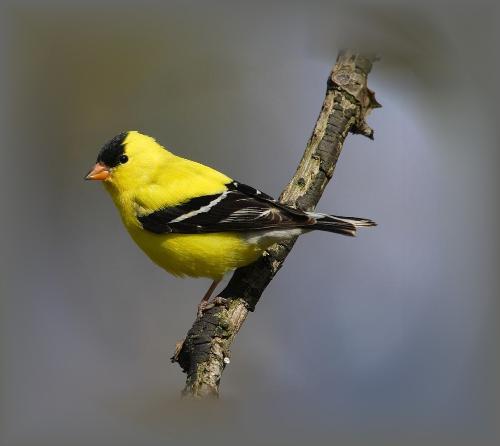
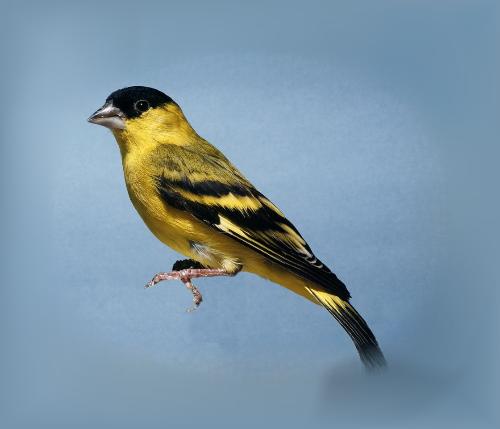
- eurasian siskin
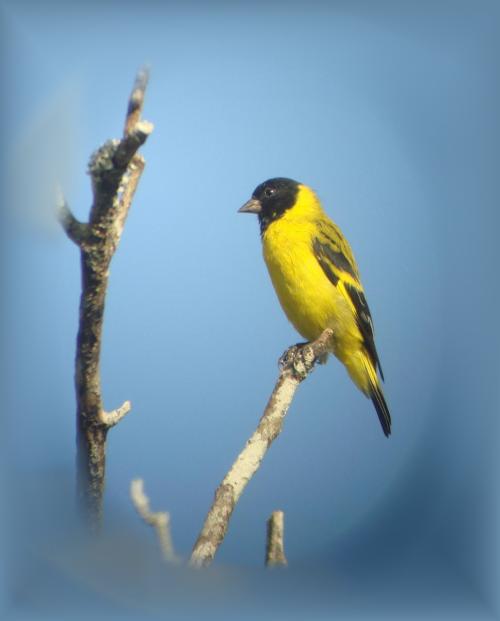
- Black-headed Siskin
- olivaceous siskin
- eurasian siskin
- eurasian siskin
- eurasian siskin
- eurasian siskin
- eurasian siskin
- eurasian siskin
- eurasian siskin
- hooded siskin
- eurasian siskin
- tibetan serin
- andean siskin
- yellow-bellied siskin
- saffron siskin
- lawrence's goldfinch
- Sheep
- mallard
Find your most suitable archetypes
Archetypes are facets of personality and behaviour: sometimes a hamster, sometimes a lion. Take a test for yourself, a friend or a pet.