






The “common green grasshopper” archetype
Cultural context
Farming peoples have known the green grasshopper, Omocestus viridulus, for as long as they have sown fields, and almost every agricultural culture keeps some place for it in its thinking. It arrives with the tall grass and the ripening ear, and it is watched with mixed feelings: the farmer admires its vigour and dreads its appetite. To some it is a reminder of how little stands between a summer's labour and an empty barn. Others value composure and quietly admire its calm in the midst of devouring. And in many a telling it is a cautionary tale about hunger without measure, a creature that crosses the field, takes what it wants and leaves bare stalks behind.
Scales
Read through the poles of the tradition, this grasshopper is a creature of sharp contrasts. On one side stand discord and disorder, a stubborn and quarrelsome streak, a readiness to break with custom and look after itself first, and a cunning that feels entitled to whatever it eats. On the other stand real stamina, bodily strength, curiosity about the unknown, a mind that likes to take things apart, and a surprising tenderness of feeling beneath the bristle. It is lively among company but does not follow anyone; it has little taste for obedience or for fitting in. Where it jumps, it jumps by its own decision, and the fields it crosses learn that quickly.
Core traits
Greed, destructiveness and voracity form the core of this creature. Its greed is the old instinct to gather and guard against lean times; there is foresight in it, and also a clenched fist that makes generosity hard. Its destructiveness is the power to tear down what has grown stale and clear ground for something new, but when anger slips its leash it leaves nothing except bare earth. Its voracity is the hunger of a body that must grow, a huge appetite and quick development, together with a habit of eating past the point of sense. Taken together, the three make a being that wastes no time on doubt: it sees, it takes, it moves on, and the question of how much is enough arrives, if at all, after the meal is over.
Strong traits
Aggression and fussy restlessness come next. The first lets it hold its ground and reach what it wants, yet without discipline it turns into quarrels that wear through friendships. The second sends it hopping from one group to the next, carrying ideas, keeping ties alive and starting ten things at once. That energy is a gift in a crowd and a curse at a desk: finishing a single job takes more stillness than it has.
How to be around
How do you get along with someone built like this grasshopper? Begin by accepting that it will never be quiet or deferential, and give its drive a channel instead of a lecture. Plain speech and clear terms reach it far better than hints. Put its hunger and its force to work on something real, and you will find a hardy, oddly unruffled companion; leave them aimless, and they will pick their own targets.
With a woman
With a woman-grasshopper, start from the fact that she weighs everything by what it costs her and what it leaves her. She is quick to smell a bad bargain and sharp-tongued when she thinks she is being cheated, so name your terms aloud before you ask for anything. If you want a favour, offer a trade in which she can see her own share laid out: a bigger plot, a better tool, first pick of the harvest. Generosity from her will come, but only once she feels secure. When she trusts you, her tenacity is on your side.
With a man
With a man-grasshopper, agree on what he is allowed to knock down. His urge to tear out the old order is real, so hand him a specific wall, a rotten fence, an overgrown corner of the yard, and tell him what will be built there. Then he is a clearing crew rather than a plague. When the job is done, walk him round the cleared ground and say what you see in it. He wants to see space opened more than he wants thanks.
With a teenage boy
A teenage boy-grasshopper is all muscle and short temper, and every small provocation looks to him like a challenge. Find his strength an honest outlet: wrestling, a long run, hauling firewood, anything that wears him out. Argue only after the bodily storm has passed, and keep it to one sentence about where your line runs. He will test that line, probably loudly, but a boundary stated once in a level voice earns more respect than a speech. Let him win now and then at things he is genuinely good at.
With a teenage girl
Under the bristle of a teenage girl-grasshopper lives a fine sensitivity that she would rather swallow than show. Watch for the moment she goes quiet in the middle of a noisy company, and invite her for a walk or a chore, just the two of you. Ask what actually stung, then listen to the end without correcting her account. Her stubbornness softens when she finds that her feelings are taken seriously and that nobody is collecting them as evidence.
With a child
A child-grasshopper grabs, tastes and hoards everything within reach, and that is simply how he grows. Set the table so portions are clear in advance, and hand out seconds in exchange for a small job: carrying a bowl, wiping the bench. In this way he learns that a stash has a price and that stopping at enough does not take the joy away. Give him a box of his own treasures, and ask now and then what is new in it.
With an animal
An animal-grasshopper rushes about the yard or the room until it finds something for its jaws and legs to do. Scatter its food in several spots and change them each day, so that finding it becomes a hunt. Foraging calms this creature better than a raised voice ever will. Watch what it chooses to chew, since appetite will take it to things you would rather keep whole, and put the valuable ones out of reach rather than scolding after the damage.
After a quarrel
To quarrel with this insect or get under its skin, step between it and what it has already decided to take. A woman-grasshopper bristles at any hint that she is grabbing more than she needs; a man loses his temper when you rescue what he meant to tear down; a teenage boy answers mockery of his strength with his fists; a teenage girl is wounded most by being brushed off while she is struggling to say something delicate; a child howls when his plate is taken away halfway; and the animal turns frantic when it is shut in a place where it can neither hop nor hunt.
How to befriend
To befriend a green grasshopper or win it over, be lively, frank and generous with your own table. It warms to people who say what they mean and do not hide their stores. A woman-grasshopper is won by an honest deal kept to the letter; a man, by a morning spent clearing an overgrown plot side by side; a teenage boy, by a friendly contest of strength in which both of you sweat; a teenage girl, by real curiosity about what she is thinking and reading; a child, by a picnic in the long grass where nobody counts the portions; and an animal, by food held out on a still, open palm and a hand that never snatches. Laugh with it, feed it, and let it see you have no designs on its hoard.
Similar archetypes
Close facets: images with a similar set of qualities.
- Fire ant
- concepcion toad
- Hamster
- cururu toad
- Sydney funnel-web spider
- Hippopotamus female
- pygmy hippopotamus
- Stream mosquito
Complete opposite
The opposite facet: images whose qualities point the other way.
- Panda
- Koala
- Sloth
- wild boar
- tibetan serin
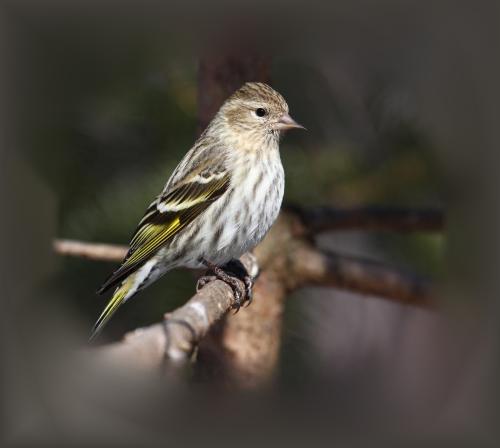
- pine siskin
- andean siskin
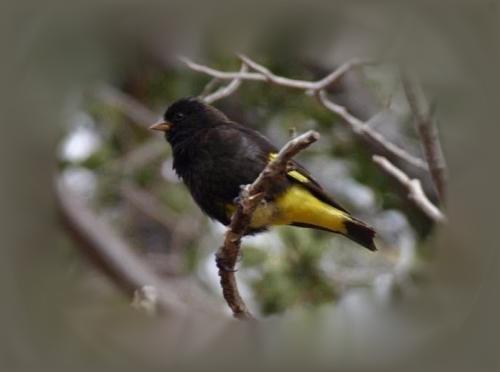
- black siskin
- eurasian siskin
- eurasian siskin
- eurasian siskin
- red siskin
- saffron siskin
- red siskin
- black siskin
- black-capped siskin
- antillean siskin
- american goldfinch
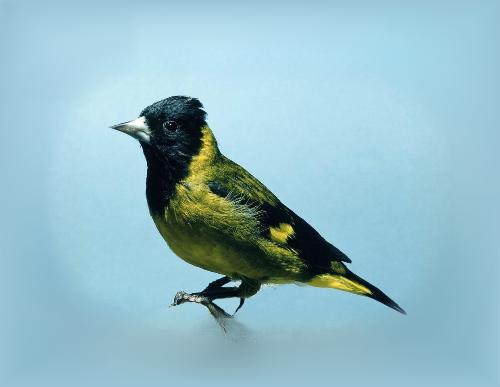
- black-headed siskin
- eurasian siskin
Find your most suitable archetypes
Archetypes are facets of personality and behaviour: sometimes a hamster, sometimes a lion. Take a test for yourself, a friend or a pet.