











The “wild boar” archetype
Cultural context
In Chinese tradition the pig and its wild cousin the boar are creatures without guile. The old portrait credits the boar with honesty, kindness and loyalty, then adds, without much ceremony, that stupidity, laziness and greed tend to creep in as well. He is not a schemer. He is a heavy, warm-hearted animal who stays devoted to whoever counts as his own, and the same simplicity that makes him a faithful companion also makes him easy to fool. Provoke him, though, and the gentle fellow turns aggressive in an instant. The tradition never tries to tidy up these contradictions; it simply lets them stand side by side in one stocky body.
Scales
Read through its strongest and weakest poles, this boar is a tangle of opposites. His judgments are quick and shallow, his tastes conservative, and he is wary of anything new. Yet he is truthful, modest and fair-minded, gentle and tolerant, glad to work alongside others. Something in him reaches for meaning and a sense of belonging to the wider world, and he loves play, jokes and a light touch. His body is not strong, and his habits are careless and untidy, with chaos never far from his boots. Inside he is sensitive and quick to feel for others, willing to resist the pressure of the herd, but fragile enough to give way early when the pushing gets hard.
Core traits
Honesty is the bedrock of this boar. He says what he thinks, keeps to what he said, and people trust him for it, because there is no second layer to peel back. Reliability and consistency are what he offers, and clarity is his strength. The price is bluntness: he cannot soften a truth, and a flat remark from him can sting far more than he intended, leaving others to patch up the damage while he wonders what went wrong.
Strong traits
Kindness, foolishness and friendliness run loudly together in him. He helps freely, forgives slips without keeping score, and loses track of where his own needs begin, so that his warmth draws people in and then leaves him worn out. His thinking wanders through a fog where instinct drowns out reason; the result is hasty choices and muddle, though he does learn from his mistakes. His easy manner opens doors everywhere, but he dodges confrontation and leans too hard on other people's approval.
Noticeable traits
Loyalty and laziness sound at half volume. Once he has decided you belong to him, he stands beside you when times are hard, steady and uncomplaining, yet he clings to the past and changes his surroundings only with great reluctance, sometimes forgetting his own needs along the way. His idleness has a good side, since he knows how to rest properly and gather strength. It has a bad one too: rest can slide into dodging chores, and a comfortable habit can turn into an excuse nobody is brave enough to question.
Faint traits
Generosity is the faintest note in the whole chord, a murmur in the background. He does not hand out his time and goods without counting, and there is some sense in that, because he keeps something back for himself and is not emptied by every request. The warmth around him comes mostly from his kindness and friendliness rather than from any open-handed giving.
How to be around
Getting along with a wild boar starts with seeing that bluntness is not rudeness and simplicity is not stupidity. Protect his honesty, answer plainly, and tease him gently rather than sharply, because slights stay with him and can set off a sudden charge. Big decisions go better when you make them together and out loud.
With a woman
A woman-boar answers best to a direct request: tell her what you need, and her loyalty and kindness do the rest. She tends to dread open conflict, so when a quarrel is brewing, lighten it with a joke instead of calling her timid. Once she is smiling again, she will come back to the subject on her own, calmly, and mean every word of it when she does, because her honesty never takes a day off.
With a man
A man-boar likes a job to share, whether clearing out the shed or sketching the route for a trip. Talk to him briefly and to the point; he prizes the plain truth above polite padding. When the work is done, leave the afternoon to him, since he recovers by doing nothing in particular, and do not read that as slacking or as a sign that he has lost interest in you.
With a teenage boy
A teenage boy-boar opens up if you ask a single question and accept whatever answer comes, even a shrug. Praise him on the day he owns up to a blunder, because learning from his slips is his real talent. Mockery, on the other hand, makes him go quiet and stop telling you anything at all, and winning him back after that takes weeks.
With a teenage girl
A teenage girl-boar feels everything keenly, so sit next to her without a speech when she is low. Tell her out loud that you have noticed how she looks after others, then ask who looks after her. That one question tends to reach her where long lectures would not, and it often makes her laugh through the tears.
With a child
A child-boar wants a game: let him burrow in the cushions and build a den from blankets. Laughter comes easily to him, but the word no does not, so teach it in play, practising how to say it aloud when someone tries to take his last biscuit, until it stops feeling like a betrayal of friends.
With an animal
An animal-boar relies on routine, so feed it at the same hour and keep your voice level until the sound becomes familiar. If it is angry, step back and wait; the outburst passes quickly, and soon after it will wander over looking for a treat, as if nothing had happened.
After a quarrel
To quarrel with a boar or get under his skin, make fun of his bluntness, hold his kindness against him, and call him dim. A woman flares up when her goodness is taken for granted, a man when his rest is turned into an accusation of laziness, and a teenage boy when he is cross-examined. A teenage girl bristles if her sensitivity is labelled a whim, a child when the game is snatched away, and the animal itself when someone meddles with its corner and its bowl.
How to befriend
To befriend a boar or win him over, be completely honest with him and he will answer in kind. Bring simple pleasures: a shared meal, a joke, a bit of rough-and-tumble. A woman is touched when you notice how dependable she is, a man when you let him rest without reporting for it, a teen when your praise is sincere, and a teenage girl when you pay attention to her mood. A child wants laughter and chasing, and the animal wants a treat from your palm and a steady voice.
Similar archetypes
Close facets: images with a similar set of qualities.
- mallard
- american bighorn
- fischer's lovebird
- rosy-faced lovebird
- black-winged lovebird
- yellow-collared lovebird
- grey-headed lovebird
- red-headed lovebird
Complete opposite
The opposite facet: images whose qualities point the other way.
- Siberian Weasel
- Barracuda
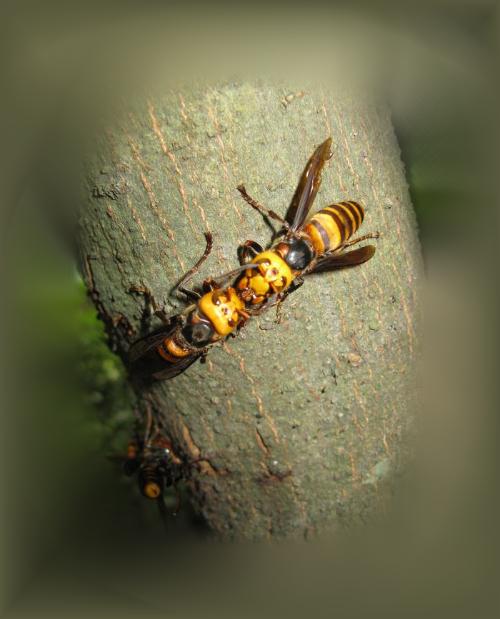
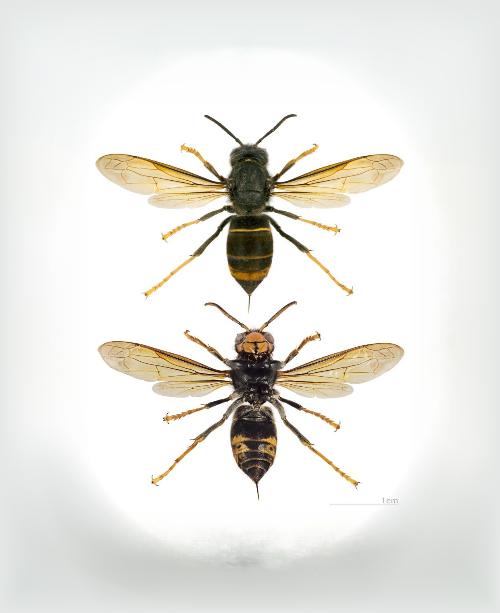
- Hornet
- beech marten
- Shark
- Bull shark
- Eared seal
- milos viper
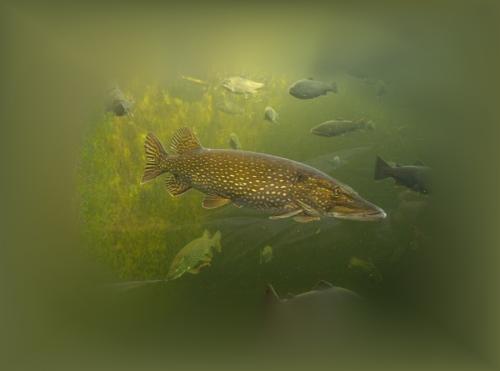
- Pike
- Rhinoceros
- amur tiger
- Anaconda
- Seagull
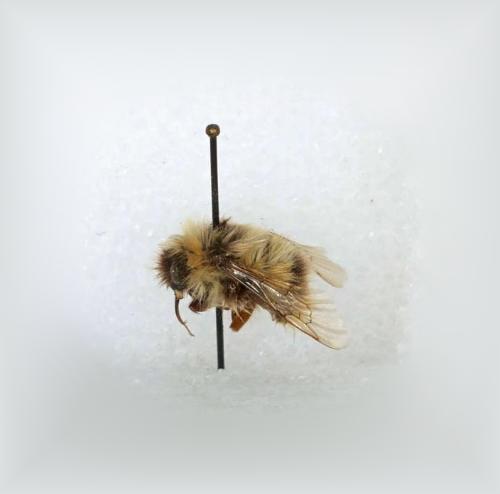
- Bumblebee
- Leopard
- Wasp
- Vulture
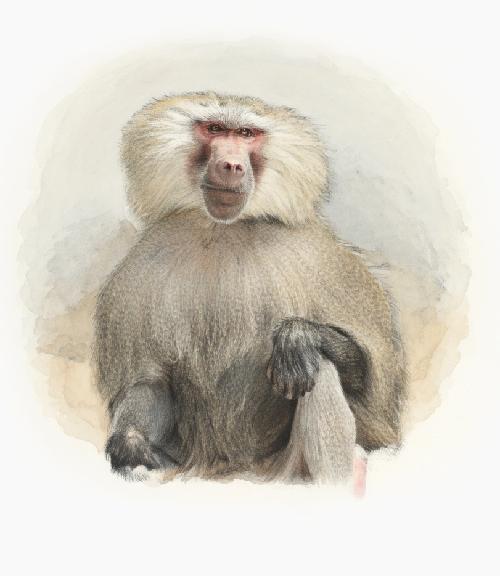
- Hamadryas baboon
- moray
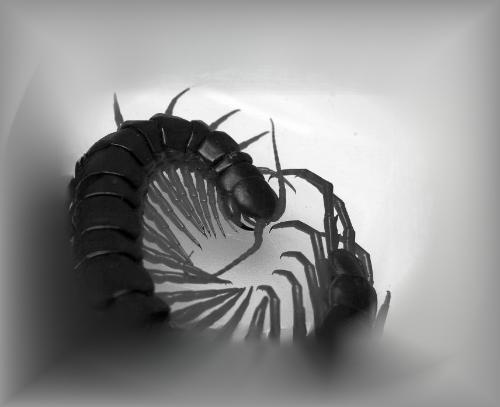
- Centipede
- Woodpecker
- Wolverine
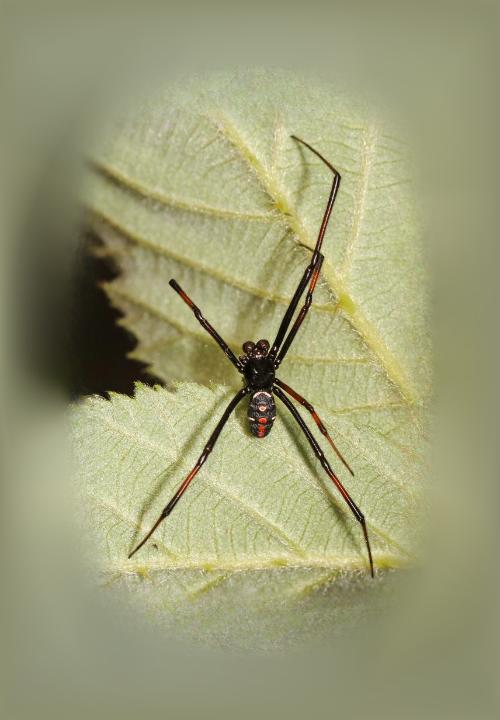
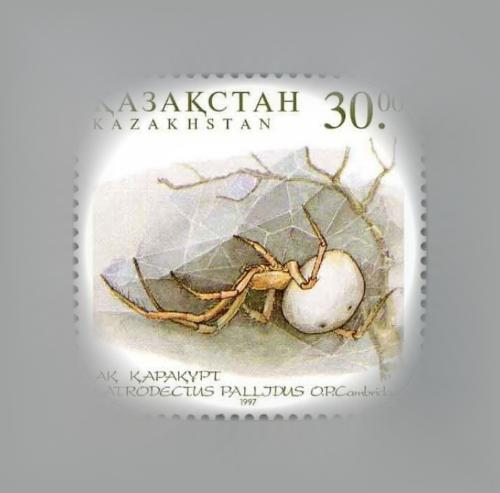
- redback
- katipo
- northern black widow
- White widow
- Coral widow
- South African black widow
- Lilian's widow
- Kidney-button spider
Find your most suitable archetypes
Archetypes are facets of personality and behaviour: sometimes a hamster, sometimes a lion. Take a test for yourself, a friend or a pet.