








The “Blanc de l'Ouest Pig” archetype
Cultural context
In Russian speech the pig carries two reputations at once. On one side stands plenty: a fat sow in the yard told neighbours that a household was doing well, that the larder would not run empty before spring, and that there would be something to put on the table. On the other side stands the insult, since to call a person a pig is to accuse them of filth, greed and shamelessness. The old proverb about seating a pig at the table, only to watch it put its hooves up on the cloth, captures the second reputation in a single image. Nobody in that tradition pretends the animal is dainty. It is valued for what it eats, grows and survives, and mocked for how it behaves while doing so. This archetype inherits both sides, the prosperous and the unmannerly, and they rarely come apart.
Scales
The boar looks ahead the way a landlord does: it cares about whatever will last, whether a full cellar or a spot that stays its own for years, yet subtle reasoning bores it and it tends to judge in one quick glance. Gentleness is scarce in this character. It is stubborn, prickly and sly, and quietly certain that the best morsel is its due. It also has stamina to spare, enjoys company and is bold among onlookers, loves rough play and horseplay, and would sooner follow the herd's leader than strike out against the current. Its concern for others comes after its concern for itself, and it sees nothing wrong with that order. Traditions and grand ideas it neither defends nor attacks; it simply lives on, in the body, from one meal to the next, and takes orders from whoever seems strongest, provided the food keeps coming.
Core traits
Greed and voracity form the core of this animal. The first drags everything loose back to the den and guards the haul to the last grunt; the second drives it to eat well past the point of fullness, which is why it fattens and grows so fast. Together they make a creature that comes through a winter that breaks others, simply because it laid in more than it needed and kept eating when it could. The price is plain to everyone around: it hands nothing over willingly, shares the trough only when cornered, and counts every scrap as its own. Appetite, for this creature, is not a vice to be hidden but a plan for survival, and it pursues that plan with a cheerful, tireless single-mindedness that is hard not to respect, even when it is inconvenient.
Strong traits
Dirtiness, stupidity, fertility, rudeness and brazenness all show strongly. The boar wallows without a trace of squeamishness, treats mud as comfort and disorder as home. It tangles itself in its own schemes and charges at fences before checking whether there is a gate, yet it does learn from the bruises. Litters come large, and so do the projects it takes on at once, usually more than it can carry, and half of them get abandoned when something tastier turns up. Its speech is as direct as its snout: it says the thing in your face, drops every courtesy, strolls into your business uninvited, and has no idea why anyone minds. Quarrels roll off it quickly, because it does not read slights into silence; what it cannot forgive is being starved, cornered or ordered about.
Muted traits
Hoarding sits quietly in the background of this character. The boar tucks things away for later and sits calmly through lean spells, but a faint worry about tomorrow's shortage can make it clutch its stash and keep it from sharing.
How to be around
How should you deal with a boar? Remember that you face a creature that stockpiles, eats and breeds with equal zeal. Speak plainly, skip the hints and the delicate phrasing, and see to its fullness and its usual routine first. Once the belly is quiet and the day runs on familiar lines, bargaining becomes possible, and the animal, or the person behind it, proves a far more reasonable partner than the first snort suggested.
With a woman
Leave a woman-sow the right to keep her own hoard. Ask what she is saving for a rainy day, and never mock her thrift, because that careful stockpile is what lets her breathe easily. Where she is right, say so aloud before you lay out your own plan, and put your offer as a swap rather than a request. Then step back and don't check every step she takes afterwards; she hates being audited and tends to pay back trust by quietly bringing more than was asked.
With a man
A man-boar is rude out of habit, not malice; it is his way of testing whether you are one of his. Answer briefly and to the point, laugh at the blunt remark instead of flinching, and be something he can lean on without ceremony when a job gets heavy. Roundabout politeness, hints and long apologies he will take for cunning and start watching his pockets. Hand him a meal and a plain, honest sentence, and the bristles come down.
With a teenage boy
A teenage boy-piglet is always hungry and always landing in some mess. Don't impose a lecture on the latest blunder. Feed him first, then go over it together like a story from someone else's life, asking what he would change next time. Admit it openly when one of his clumsy ideas turns out to be right; he will remember that far longer than any sermon, and the next mistake will arrive a little later than it otherwise would.
With a teenage girl
A teenage girl-piglet tends to trail after her friends, copying their tastes and rules. Encourage her to try an opinion of her own where nobody is watching: a small decision about her room, her pocket money or her evening. Ask who actually leads her crowd and what she gets out of following. Don't fill her silences with advice, since often she only wants someone sitting nearby while she chews on a thought.
With a child
A child-piglet adores rooting around in the dirt, and the whole childhood is built from digging, sniffing and tasting. Hand over old clothes and a patch of garden to turn over, and let the little one go off for an hour with muddy paws while you keep your grimace to yourself. Bring a snack out afterwards, because a small boar that has worked hard expects its pay in food, and then it comes back happy.
With an animal
An animal-boar pines when left alone, so keep a companion nearby, or at least yourself within earshot. Put its bowl in the same spot every time, because a stable place for food is more reassuring to it than any petting. Leave it a corner of its own with soft soil or damp straw for a wallow, and don't tidy that corner up the moment it looks messy; to the boar, the mess is the proof that the place is its own.
After a quarrel
To quarrel with a boar or get under its skin, take away its stores, lecture it, and dodge when a straight answer is needed. The sow is infuriated by hands in her larder and by sneering at her thrift; the grown male by sly talk and flattery with a hook in it. A teen lad bristles when his failures are laughed at in front of others, a teen girl when she is cut off from her circle, a small one when puddles are forbidden, and a pet when its bowl stands empty or is moved without warning.
How to befriend
To befriend a boar or win it over, feed it generously and speak without detours. A grown woman of this kind is won by praise for her household shrewdness, a grown man by an honest, rough joke that he can return in kind. A young fellow values a shared escapade, a girl of thirteen an invitation into the inner circle, a child a romp in the mud beside you, and a pet a warm sleeping spot with regular meals. After that it will guard your friendship with the same stubbornness it gives its food.
Similar archetypes
Close facets: images with a similar set of qualities.
Complete opposite
The opposite facet: images whose qualities point the other way.
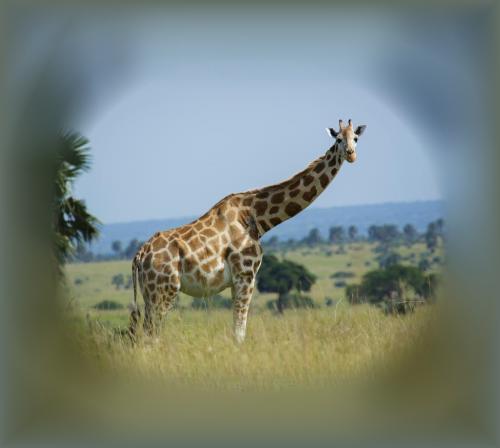
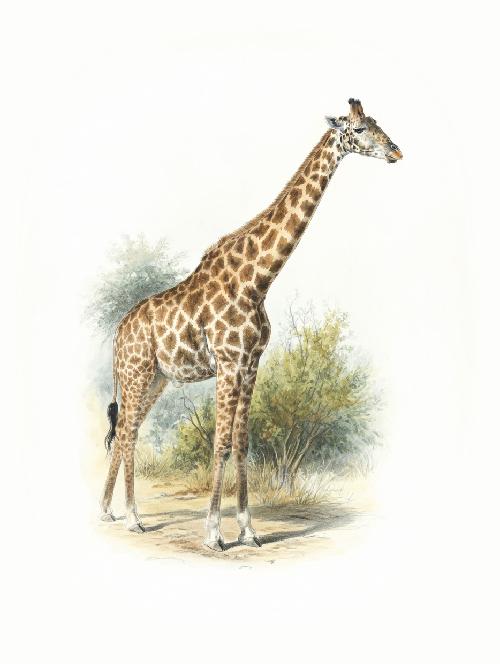
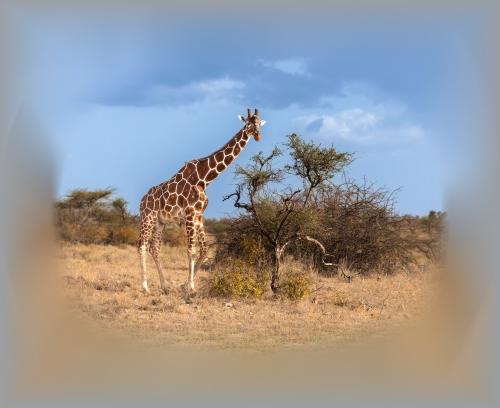
- giraffe
- rhodesian giraffe
- Angolan Giraffe
- Reticulated Giraffe
- Reticulated Giraffe
- Southern Giraffe
- Angolan Giraffe
- giraffe
- Duck
- Sturgeon
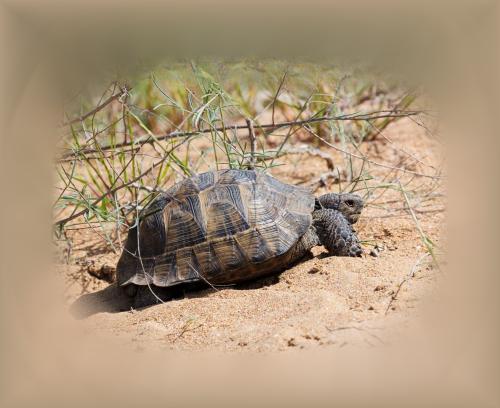
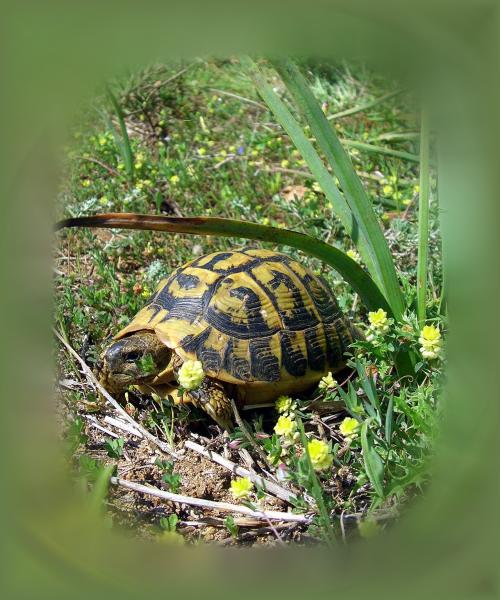
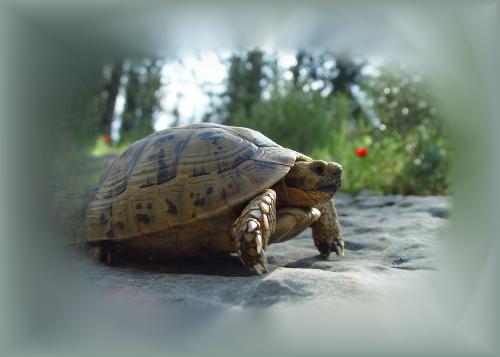
- greek tortoise
- Greek Tortoise
- afghan tortoise
- leith's tortoise
- margined tortoise
- mediterranean spur-thighed tortoise
- western hermann's tortoise
- hermann's tortoise
- Tunisian tortoise
- Armenian tortoise
- Greek tortoise
- Levantine tortoise
- Egyptian tortoise
- Hellenic tortoise
- Grass Snake
- Densely Lamellate Oyster
Find your most suitable archetypes
Archetypes are facets of personality and behaviour: sometimes a hamster, sometimes a lion. Take a test for yourself, a friend or a pet.