










The “afghan tortoise” archetype
Cultural context
Japanese, Greek, Indian and Chinese traditions have all turned to the Russian tortoise as a living seal of endurance. Carved on temple pillars, drawn on silk scrolls, cast in bronze coins, the creature is shown hauling the world on its back or sliding through centuries without haste. In those stories the shell becomes both cradle and fortress, an earthen shield that lets time pass over rather than through its bearer. The tortoise’s measured walk reads as a lesson in staying whole while empires rise and fall; its silence speaks of patience kept like cool water in a clay jar, never spilled.
Scales
The Russian tortoise, read through these ancient mirrors, leans toward deep thought and welcomes the unfamiliar only after long study. It weighs each new scent of rain against remembered drought, yet still lifts its head when fresh clover appears. Duty and an inner thread to earth run through every slow step; its strength lasts because it never wastes motion. Reserve keeps it a little apart from the herd, while the smallest tilt away from old custom shows up as a single sideways scrape of claw that clears its own path instead of following the well-worn groove.
Core traits
Resilience keeps the Russian tortoise moving when heat cracks the ground and forage dries to straw. It digs deeper, waits longer, and carries its own shelter through seasons that would scatter lighter creatures. Yet the same steady rhythm can turn into reluctance when an earlier route must be abandoned for a shorter, riskier one; the shell that once saved it now slows its turn toward change.
Strong traits
Wisdom surfaces in the Russian tortoise as a patient reading of dust patterns and the memory of where water last pooled. Calmness lets it sit through sudden storms without panic, offering the quiet steadiness others shelter beside; yet both gifts can stretch into long pauses before any step is taken, and a certain cool distance when feelings run high around it.
Noticeable traits
Protection shows in the way the Russian tortoise plants its body between a nest scrape and an approaching foot, while honesty appears in the blunt retreat that leaves no false hope of friendship. Both traits build trust through plain action, yet the same directness can shut out a tentative hand, and the shield can tighten into a refusal to let anyone near the hidden hollow at all.
Muted traits
Cowardice, faint but present, keeps the Russian tortoise from crossing open sand even when the danger has already passed; the instinct pulls it back into shade, safe yet missing the brief green flush that follows the first rain.
How to be around
To move comfortably beside a Russian tortoise, give it time to finish one patch of digging before you offer another. Let the rhythm of its day stay unbroken and place any new object where it can circle and inspect it on its own terms.
With a woman
A woman who carries the Russian tortoise’s temperament finishes what she begins, even when the task stretches over months. Sit with her while she weighs the next careful step; do not press for quicker answers, because her intellect works by tracing every thread to its root. Offer a written outline of shared plans so she can hold the whole design in her hands and feel its weight before she agrees.
With a man
A man shaped like the Russian tortoise gathers experience the way the creature gathers morning dew—drop by drop, never rushed. He will study a new route on the map for an entire evening before he folds it away; respect that pause. Ask what he has already tried, then leave the choice of whether to step forward or stay where the ground is known entirely to him.
With a teenage boy
A teenage boy who moves at the Russian tortoise’s pace keeps his thoughts ordered even when friends shout for haste. He may seem untouched by the group’s excitement, yet the quiet he keeps is the same calm that steadies others later. Let him decide whether tonight’s plan still fits the longer story he is telling himself; questions about meaning draw him out more surely than any command.
With a teenage girl
A teenage girl who shares the Russian tortoise’s caution builds small walls around what she values and checks them each night. She will carry an extra water bottle for a friend without being asked, yet she watches the horizon for any change that might threaten the circle she guards. Hand her the map and let her mark the safe places herself; the trust she places in her own judgment grows stronger than any reassurance you could speak.
With a child
A child who moves like the Russian tortoise tells the exact truth about the number of stones collected and the precise length of the shadow they cast. The same honesty can sting if a game is declared unfair; answer plainly and the moment passes. Give the child time to line the stones into a private pattern before asking to join, and the pattern itself becomes the invitation.
With an animal
An animal-Russian tortoise withdraws into its shell at the first unfamiliar footstep, a faint but reliable signal that it has judged the risk too high. Place its dish in the same corner each evening and let the modest creature approach on its own; any sudden reach will only deepen the retreat, while steady quiet lets the head emerge again.
After a quarrel
Disorder unsteadies the Russian tortoise more than open threat. A woman feels the ground shift when new tasks are added without warning or sequence. A man grows sharp when someone questions his settled route in the middle of carrying it out. A teenage boy bristles if his careful list is scattered before he has checked each line. A teenage girl withdraws when her marked boundary is stepped across without permission. A child turns silent if the stones they have ordered are swept into a heap. An animal-Russian tortoise clamps shut if its corner is moved or its bowl is rattled.
How to befriend
Steady presence and small, repeated acts of care open the shell of the Russian tortoise. A woman warms to the friend who remembers her preferred hour for quiet work and keeps that hour free. A man values the companion who walks the same measured loop each morning without asking to shorten it. A teenage boy draws nearer when someone simply waits at the edge of his project until invited closer. A teenage girl trusts the person who brings an extra cushion and then sits without speaking until she speaks first. A child offers a chosen stone to the adult who has already admired the pattern without rearranging it. An animal-Russian tortoise inches forward when the same hand returns each day, empty and still, until the creature itself decides the distance has grown safe.
Similar archetypes
Close facets: images with a similar set of qualities.
- greek tortoise
- Greek Tortoise
- leith's tortoise
- margined tortoise
- mediterranean spur-thighed tortoise
- western hermann's tortoise
- hermann's tortoise
- Tunisian tortoise
Complete opposite
The opposite facet: images whose qualities point the other way.
- Turkey
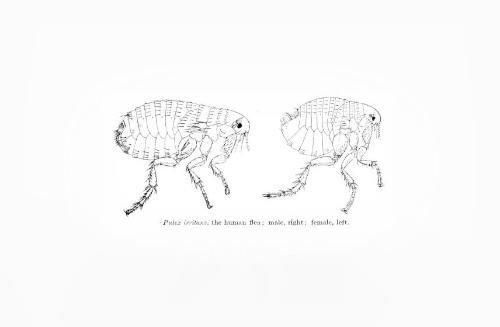
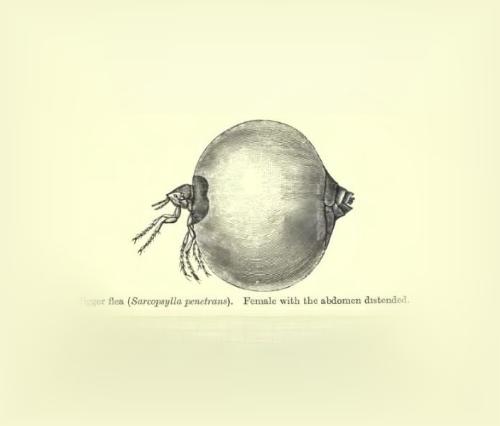
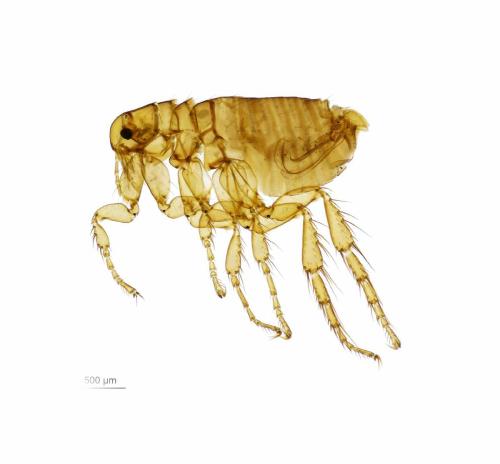
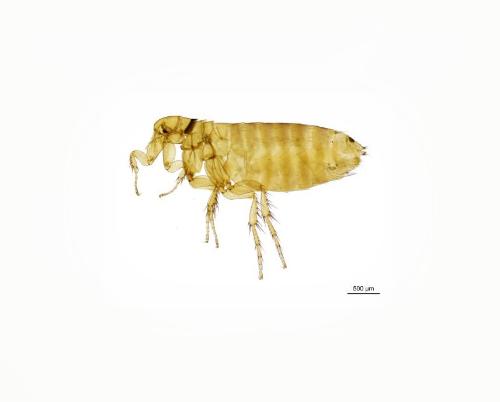
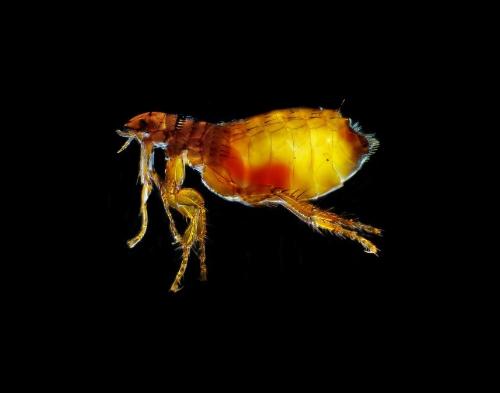
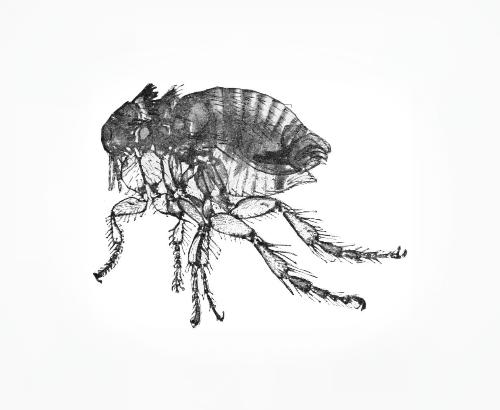
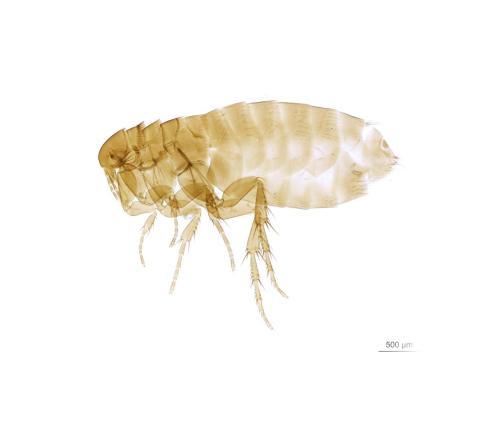
- Human Flea
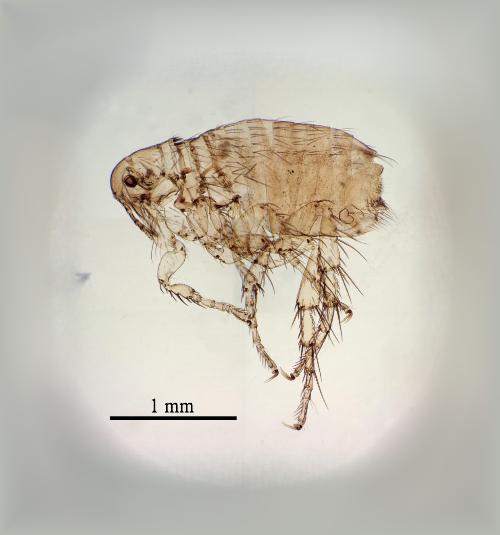
- Dog Flea
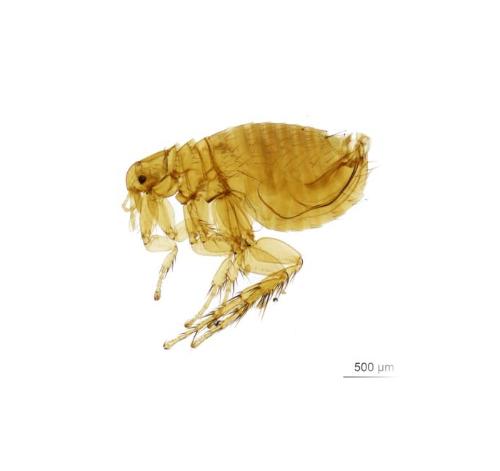
- Oriental Rat Flea
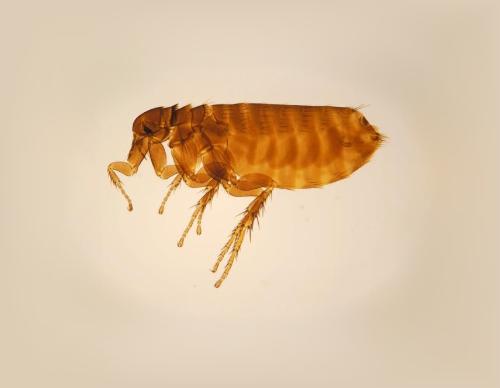
- Hen Flea
- Northern Rat Flea
- chigoe flea
- Hedgehog Flea
- new zealand bat flea
- Martin Flea
- cat flea
- Ceratophyllus farreni
- Chaffinch Flea
- Rabbit Flea
- Mouse Flea
- sticktight flea
- Squirrel Flea
- Sparrow Flea
- Amalaraeus dissimilis
- Northern Flea
- Ceratophyllus chasteli
- Bed bug
- Blanc de l'Ouest Pig
- Golden Jackal
- common european toad
- laced moray
- eel
- dark moray
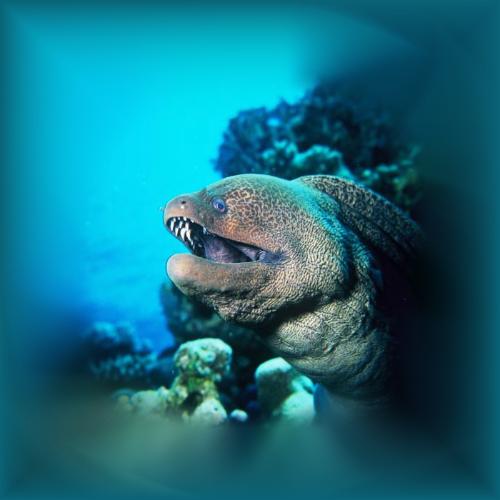
- giant moray
- congo
Traits and their opposites
Each trait of this archetype — and what is opposite to it.
- Resilience ↔ Fragility
Find your most suitable archetypes
Archetypes are facets of personality and behaviour: sometimes a hamster, sometimes a lion. Take a test for yourself, a friend or a pet.