




















The “Chamois” archetype
Cultural context
In European heraldry the chamois stands for pride and resolve: an animal that holds the high ground and does not apologise for it. On coats of arms it appears as an emblem of strength that reaches for the heights yet stays careful and calculating about every step. Scandinavian tradition reads the animal a little differently, as a banner of freedom and loyalty to wild nature, something that belongs to the crags and answers to no one in the valley. Put the two together and the portrait is both noble and practical. The chamois is admired because it climbs where others will not, and respected because it never climbs carelessly. It studies the ledge before the leap, trusts its own judgement, and keeps going when the footing thins. Those who choose it as an emblem usually want exactly that mix of daring and a clear head.
Scales
Read through its scales, the chamois is honest and fair to a degree that borders on modesty: it does not boast, and it does not bend the truth for comfort. The same coolness shows in its feelings. It is hard-edged and slow to gush, and people close to it sometimes feel a draught of distance. Company, however, energises it, and it walks into a crowd with social boldness while guarding its independence tightly. Stamina and a taste for analysis run deep; it likes to work out why a path will hold before trusting it. A love of order and inherited custom pulls the other way, so change meets resistance, though curiosity about the unknown keeps it from stiffening completely. It will give itself to others at real cost without ever vanishing into them, and it keeps a quiet respect for rank and prestige.
Strong traits
Courage, honesty, swiftness and pride make up the core of the chamois. It charges at what frightens others and defends those it loves without counting the odds, which is both its strength and its blind spot, since danger is sometimes underrated. Its honesty is plain and unpadded: it says the thing, and the thing lands hard. Trust grows from that, though tact rarely does. Swiftness lets it decide in a heartbeat and never dither, but haste can send it sliding off a ledge it forgot to check. Pride keeps its back straight and its boundaries firm, and it can also make the chamois refuse a hand that was honestly offered.
How to be around
Getting along with a chamois starts with accepting that it wants to choose its own line up the slope. Speak plainly, because evasions are noticed at once and remembered for a long time. Stand where it can see you, ready to help, but wait to be asked. It will not thank you for fussing, yet it quietly values the person still waiting at the foot of the cliff when the climb turns hard. Respect goes a long way with this animal, and so does being a presence it can rely on without having to say so.
With a woman
A woman-chamois deserves the whole truth, awkward parts included, delivered without sugar or sly hints. She spots flattery from across a valley. Resist the urge to improve her: no makeover ideas, no life advice, no tidy rearranging of her plans. If you want to be useful, ask what she needs carried and then carry exactly that. When you disagree, say so once, clearly, and leave the weighing to her. Her self-possession is not coldness; it is the footing she stands on, and she warms to anyone who treats it as solid ground.
With a man
A man-chamois does best beside someone who will share the load when he takes charge of a team or a hard project. Offer to handle one thing, the logistics or the paperwork, and he will remember it. Never mock his bluntness in front of others; he means what he says, and ridicule lands on his dignity like a stone on a ledge. Praise his plan when it is good and question it in private when it is not.
With a teenage boy
Give a teenage boy-chamois a real challenge, such as planning a trip, repairing something properly, or leading a small group, and he will rise to it. Pride may push him into a corner when he feels alone, so look for a side door: an errand together, a joint task, a question about his opinion. Ask for his view on something that matters and then act on it at least once, so he sees that it counted.
With a teenage girl
A teenage girl-chamois is best left undisturbed while she is deep in whatever has caught her, so wait for a natural pause before you speak. When she steps off her usual path, she may leap fast and without a net. Be the one who stands nearby afterward, saying little. A calm remark that you saw how much nerve it took will mean more to her than a lecture about risk, and it keeps the door open for the next time she wants to talk.
With a child
A child-chamois needs room to scramble: rocks to climb, puddles to jump, a yard where falling is allowed. Watch with your eyes rather than your hands. When the little one insists on a view that differs from yours, hear it out to the last word, because a proud child whose opinion is brushed aside will simply go silent and keep the hurt. Praise honesty when it costs something, such as owning up to a broken cup.
With an animal
An animal-chamois keeps a safety margin around its body, and you should treat that margin as a fence. Sit sideways, avoid direct stares, and offer food on a flat palm. Then wait; the approach has to be its own. Trust arrives slowly, but once given it is steady. Notice the sharp whistle it makes when alarmed, because that is a warning, and heeding it earns you more than any treat.
After a quarrel
To quarrel with a chamois or get under its skin, lie to it, even politely, or overrule its decision without hearing the reasons. A woman-chamois bristles at suspicion and being watched. A man-chamois cannot stand someone else's plan forced onto his work. A teen boy is wounded by being treated as unreliable in front of friends, while a teen girl digs in when asked to give up what she believes. A child-chamois turns stubborn when a rule arrives with no explanation, and an animal-chamois will bolt at a sudden grab or a chase and may not return for a long while.
How to befriend
To befriend a chamois or win it over, be honest and be dependable: say what you will do, then do it. A woman-chamois is won by a direct conversation between equals. A man-chamois warms to the person who turns up beside him on the hard day. Hand a teen boy a serious job and trust him with it, and sit with a teen girl without interrogating her. A child-chamois falls for anyone who will climb a hill or race to the fence with him, while an animal-chamois comes round to a patient presence with an even voice and open, empty hands.
Similar archetypes
Close facets: images with a similar set of qualities.
- Cricket
- Stoat
- Stag beetle
- barasingha
- European hare
- Sable antelope
- Hungarian grasshopper
- Two-colored grasshopper
Complete opposite
The opposite facet: images whose qualities point the other way.
- Golden Jackal
- Human Flea
- Dog Flea
- Oriental Rat Flea
- Hen Flea
- Northern Rat Flea
- chigoe flea
- Hedgehog Flea
- new zealand bat flea
- Martin Flea
- cat flea
- Ceratophyllus farreni
- Chaffinch Flea
- Rabbit Flea
- Mouse Flea
- sticktight flea
- Squirrel Flea
- Sparrow Flea
- Amalaraeus dissimilis
- Northern Flea
- Ceratophyllus chasteli
- somali ostrich
- Cockroach (domestic, red)
- Black widow spider
- Blanc de l'Ouest Pig
- Turkey
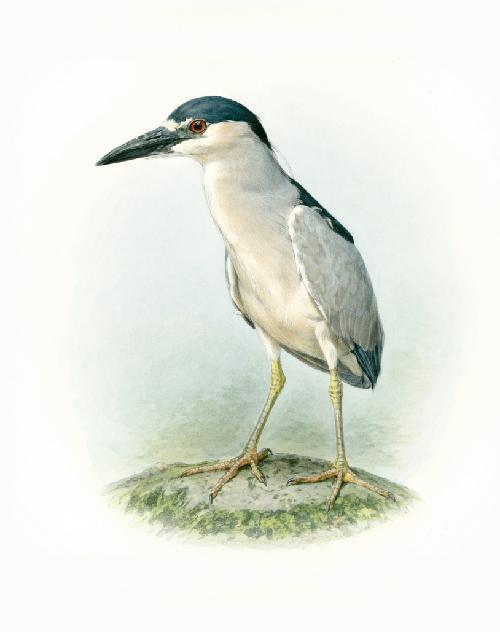
- black-crowned night heron
Find your most suitable archetypes
Archetypes are facets of personality and behaviour: sometimes a hamster, sometimes a lion. Take a test for yourself, a friend or a pet.