










The “Dog Flea” archetype
Cultural context
Across Europe, Russia, and Asia, dog fleas have long crept through the cracks of human dwellings like shadows that refuse to stay still. Folk tales sometimes picture them as tireless passengers riding coats and cloaks, sometimes as the very bite that keeps even the proudest lord awake at night. Their presence in stories marks the uneasy border between comfort and irritation, between the hidden and the inescapable, reminding listeners that the smallest life can scratch the largest plans until they bleed. In Russian izbas, in Asian market stalls, and in European ballrooms alike, the flea stands for the itch that will not be ignored, the tiny presence that tests patience and ingenuity at once.
Scales
Within these traditions the dog flea reads as a creature of cunning entitlement, forever sensing what others overlook and claiming it before it slips away. It rarely bows to custom; instead it slips across thresholds others consider sealed, breaking with what has always been done. Its movements favor stubborn insistence over open quarrel, yet it rarely strikes alone, preferring to travel with the crowd of its own kind. It shows little appetite for self-denial, keeping its own small stores first, and when danger rises it yields quickly rather than fight, slipping into cracks with fragile speed. The flea meets the world as a quiet materialist, preferring the solid grain of a single crumb to any lofty dream, and it thinks in narrow, careful lines, examining each fibre before deciding where next to bite.
Core traits
At the center of its nature sits a double hunger: the drive to gather every crumb and secret within reach, and the skill to steer others toward giving more than they intend. The flea hoards warmth and blood with the foresight of one who never knows when the next host will bolt or die. At the same time it notices the faintest twitch of discomfort or affection and turns that knowledge into a path for itself, guiding the host’s hand or foot without ever showing its own intent. Such foresight can keep the flea alive through famine and frost, yet the same habits make generosity feel like loss and turn every shared space into a battlefield of silent claims.
Strong traits
Around this core cluster darker tones: a readiness to stoop when fear presses, a habit of drawing trouble like iron draws lightning, a tongue that cuts rather than softens, and an eye that lingers on every speck while the larger scene blurs. When danger threatens, the flea may betray its own kind or its host without hesitation, trading trust for one more safe hour. Minor disasters gather around it as though drawn by an invisible thread; plans unravel, hosts scratch, brooms swing. Its words arrive blunt, sparing no one’s pride, and it clings to tiny victories—a single hair, a hidden fold—until the wider world moves on without it. These traits do not spring from malice but from the constant dread of being brushed aside, and they can teach sharper honesty once the fear loosens its grip.
Noticeable traits
Beneath the louder notes runs a quieter conviction of smallness, the sense that one is merely dust caught in the weave of larger lives. The flea accepts this modest station and steps aside when stronger forces pass, yet the same feeling breeds a steady doubt that any effort truly matters. It fades into backgrounds, offers no protest when overlooked, and sometimes belittles its own successes before they can be noticed by others. This modesty shields it from envy, but it also keeps the flea from claiming the space it has earned.
How to be around
To move among dog fleas without drawing needless bites, watch first how they guard their tiny stores and how quickly they read the shift of a sleeve or a sigh. Offer clear facts rather than grand promises; they trust the visible crumb more than any distant feast. Keep your own boundaries firm yet visible, for any hint of hidden advantage will be noticed and turned to their use before you finish speaking.
With a woman
A woman who carries the flea’s temper watches every resource as though tomorrow may bring famine. She will quietly set aside the best portion for herself and her own before others reach the table. When she senses an opening she steers conversations toward the advantage she needs, framing requests as favors done for you. Let her finish counting her small provisions before you ask for anything; once the tally feels safe she may share what remains, though the gift will still carry the weight of careful calculation.
With a man
A man of the same cast reads the room for hidden levers and rarely meets resistance head-on. He waits for the moment a quarrel can be turned into agreement that still favors him, and he will hold his ground even when the path is clearly blocked. Give him room to arrange the outcome he prefers; direct commands only tighten his grip. Once he believes the plan is his own, he may allow small concessions without ever naming them as such.
With a teenage boy
A teenage boy who shares this pattern fears exposure more than open defeat. When threatened he may lie or hide rather than stand and risk the truth being seen. He folds quickly if the cost of resistance feels too high, slipping away before anyone can test his resolve. Offer him a private way to retreat that saves face; public challenges only send him deeper into the nearest crack, carrying whatever small advantage he can still clutch.
With a teenage girl
A teenage girl of this temperament expects the next plan to fail and therefore keeps one hand on her own exit. She will place her comfort above shared goals without apology, guarding the single safe corner she has found. When mishaps arrive she meets them with quiet acceptance rather than surprise. Let her secure her own small refuge first; only then can she consider joining a larger effort that might still collapse around her.
With a child
A child who moves like the flea speaks plainly, sometimes sharply, when something blocks the path to what they want. They dislike elaborate games of politeness and will simply state the obstacle as they see it. At the same time they watch the group for the accepted way to act and rarely step outside it. Allow them to name the difficulty without rebuke; the direct words are not meant to wound but to clear the way, and once the rule is clear they will follow it without further protest.
With an animal
An animal that carries the flea’s mark spends long minutes examining a single seam or thread before deciding it is safe. It gathers every loose scrap within reach and returns to the same spot again and again, checking that nothing has shifted. Broader surroundings interest it less than the exact placement of its own tiny hoard. Give it time to finish the inspection; once each detail matches its private map it will settle, content that the small world is exactly as it should be.
After a quarrel
A quarrel with dog fleas begins the moment they sense their modest place has been overlooked or their careful order disturbed. They will not announce the offense; instead they withdraw, leaving only a faint, repeated scratch of complaint. A woman grows still and counts her remaining resources in silence. A man reorders the facts until the story places blame elsewhere. A teenage boy vanishes into another room before the sentence is finished. A teenage girl accepts the setback as proof that effort ends in loss. A child states the rule that was broken, then waits for the group to confirm it. An animal circles its chosen corner again and again, refusing every new object until the old arrangement is restored.
How to befriend
Friendship with dog fleas grows when you follow their pace rather than set your own. They notice who walks behind and who leads, and they trust those who stay within the visible path. A woman feels safer once you have admired the neatness of her stores without touching them. A man accepts company after you have let him steer the conversation toward the outcome he already prefers. A teenage boy draws closer when you wait outside the door instead of calling him out. A teenage girl offers a sliver of trust after you have accepted her quiet forecast of failure without argument. A child warms when you repeat the rule they named, proving it still holds. An animal settles beside you once you have sat in the exact spot it checked and approved moments earlier.
Similar archetypes
Close facets: images with a similar set of qualities.
- Human Flea
- Oriental Rat Flea
- Hen Flea
- Northern Rat Flea
- chigoe flea
- Hedgehog Flea
- new zealand bat flea
- Martin Flea
Complete opposite
The opposite facet: images whose qualities point the other way.
- Pelican
- common rorqual
- Duck
- Stoat
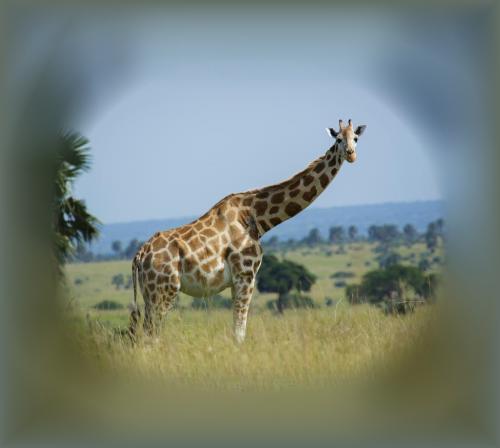
- giraffe
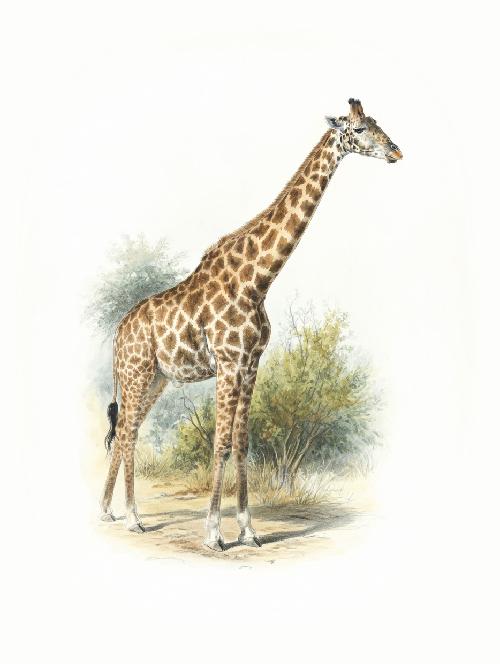
- rhodesian giraffe
- Angolan Giraffe
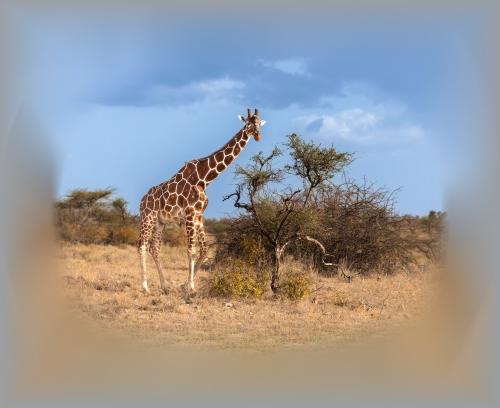
- Reticulated Giraffe
- Reticulated Giraffe
- Southern Giraffe
- Angolan Giraffe
- giraffe
- Chamois
- African Ostrich (female)
- Reindeer
- american bighorn
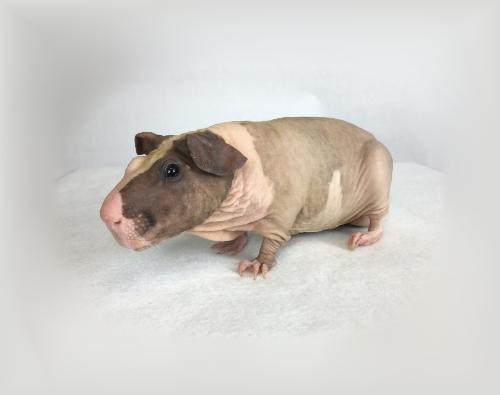
- Guinea pig
- wild boar
- East Asian Deer
- Sheep
- fischer's lovebird
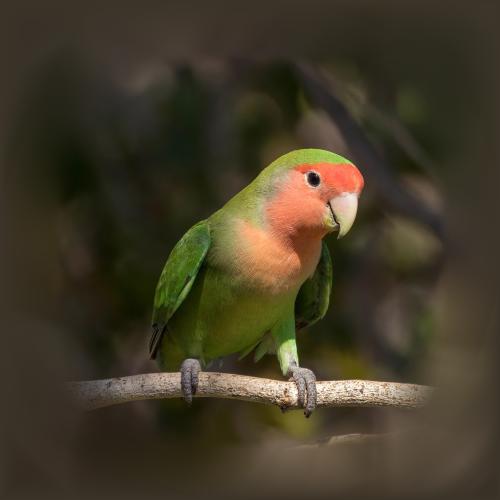
- rosy-faced lovebird
- black-winged lovebird
- yellow-collared lovebird
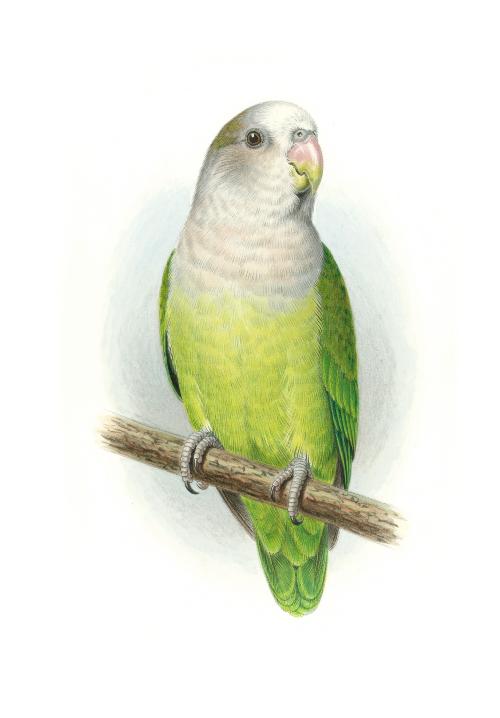
- grey-headed lovebird
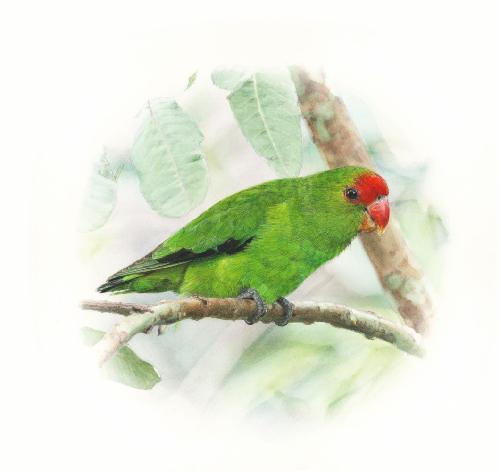
- red-headed lovebird
- black-collared lovebird
- rosy-faced lovebird
- black-cheeked lovebird
- nyasa lovebird
Find your most suitable archetypes
Archetypes are facets of personality and behaviour: sometimes a hamster, sometimes a lion. Take a test for yourself, a friend or a pet.