










The “cat flea” archetype
Cultural context
Across European hearth-tales, Russian proverbs and the sharp-eyed street wisdom of Asian markets, the cat and dog flea is remembered as the tiny survivor who knows every crack in the floorboards. Villagers once said the flea rode the wind on a dog’s back and slipped into every kitchen at dusk, bringing news of who had grain to spare and who slept with one eye open. Its image flickers through lamp-lit stories like a shadow that arrives before the candle is lit, reminding listeners that comfort is never owed and must be taken in quick, careful bites before the wind shifts again.
Scales
In these traditions the cat and dog flea reads as an agile opportunist who clings to the edge of every bargain, quick to sense who holds the purse-strings yet slow to trust that the purse will open. It hoards crumbs of information the way it hoards blood, turning gossip into currency while guarding its own small warmth against the draft. Its manners are abrupt, its loyalty negotiable, and its presence lingers like the thin, insistent whine that stays in the ear long after the insect has vanished into the folds of a coat.
Core traits
Greed drives the flea to map every vein of warmth and every unguarded cupboard before the frost tightens; it drinks quickly and hides the memory of the feast in the folds of its body. Manipulativeness lets it steer the household dog toward the softest sleeper, then vanish before the hand can swat, guiding events without ever showing its own small weight on the scales.
Strong traits
Baseness shows when the flea slips away at the first sign of trouble, leaving the dog to bear the slap. Misfortune trails it like a faint scent of singed hair; the simplest jump can end in a bath or a candle flame. Rudeness appears in the sudden nip that ends a conversation before it begins, and pettyness keeps the flea circling the same small patch of skin, unwilling to risk the larger, brighter spaces where danger waits.
Noticeable traits
Worthlessness keeps the flea from claiming any lasting place; it fades into the weave of the blanket the moment a larger shadow falls, content to be brushed aside so long as it can return tomorrow to the same warm crease.
How to be around
Meeting the cat and dog flea calls for steady patience and a light touch, like a gardener coaxing a wary robin from a rain-beaded leaf; watch where it lands before offering anything, and never crowd the narrow routes it trusts, whether the sun-warmed crack beside the stove or the cool, herb-scented gap beneath the porch steps.
With a woman
A woman keeps one eye on tomorrow’s cupboard and another on the coin-jar behind the loose brick. Offer her the extra jar of preserves before she has to ask; the gesture eases her constant tally of what might run out. When she hesitates at a shared expense, step back and let the numbers settle in her own time rather than pressing the point.
With a man
A man reads every pause for the hidden price. Let him steer the conversation toward what he already suspects, then add the single missing fact that turns his guess into certainty. If he digs in his heels over a small detail, wait; the quarrel will cost more than the point is worth.
With a teenage boy
A teenage boy tests every exit before he commits to staying. When he claims the plan has already failed, agree that the risk is real; the admission loosens his grip on the need to prove himself right. Later, when the room is quieter, he may circle back to the same idea under his own name.
With a teenage girl
A teenage girl carries an invisible list of yesterday’s small disasters. When she predicts the worst, do not argue the odds; simply place one steady object—an umbrella, a spare coin—where she can reach it without asking. The concrete thing quiets the sense that every plan is already unraveling.
With a child
A child speaks before the thought is finished and regrets the sharpness at once. Answer the blunt remark with the next practical step rather than a lecture on tone; the task gives the words a place to land. Later the child may return with a softer question once the sting has cooled.
With an animal
An animal pauses on the windowsill, counting the distance to the next safe ledge. Leave a folded cloth in the corner and move away; the small, familiar shape draws it closer without any sudden reach. Once settled, it will stay until the cloth grows cold, then slip away before the next hand appears.
After a quarrel
The cat and dog flea turns every slight into another reason to vanish. A woman withdraws the moment her careful budget is questioned aloud. A man raises his voice when his last word is doubted in front of others. A teenage boy falls silent and stares at the floor until the room empties. A teenage girl answers with a single cutting remark that ends the talk. A child knocks over the nearest object and flees the sound. An animal leaps from the lap and disappears under the nearest piece of furniture.
How to befriend
The cat and dog flea trusts repetition more than promises. A woman remembers who refilled the pantry without being asked. A man keeps company with anyone who lets him finish his own sentences. A teenage boy drifts nearer when the same bench is left empty at the same hour each day. A teenage girl answers messages that ask nothing in return. A child stays longer in a room where the rules never change without warning. An animal begins to appear on the same windowsill once the light and the hour stay constant.
Similar archetypes
Close facets: images with a similar set of qualities.
- Human Flea
- Dog Flea
- Oriental Rat Flea
- Hen Flea
- Northern Rat Flea
- chigoe flea
- Hedgehog Flea
- new zealand bat flea
Complete opposite
The opposite facet: images whose qualities point the other way.
- Pelican
- common rorqual
- Duck
- Stoat
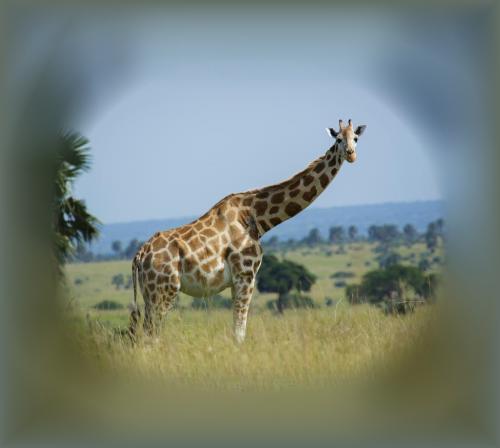
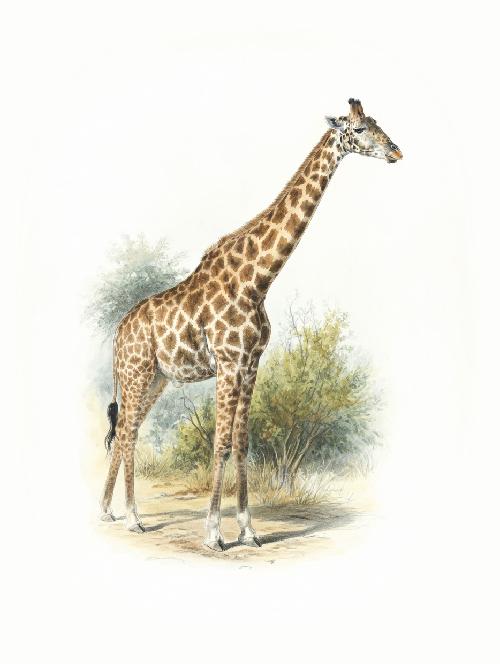
- giraffe
- rhodesian giraffe
- Angolan Giraffe
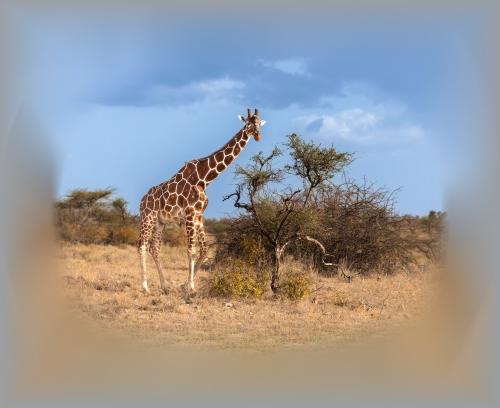
- Reticulated Giraffe
- Reticulated Giraffe
- Southern Giraffe
- Angolan Giraffe
- giraffe
- Chamois
- African Ostrich (female)
- Reindeer
- american bighorn
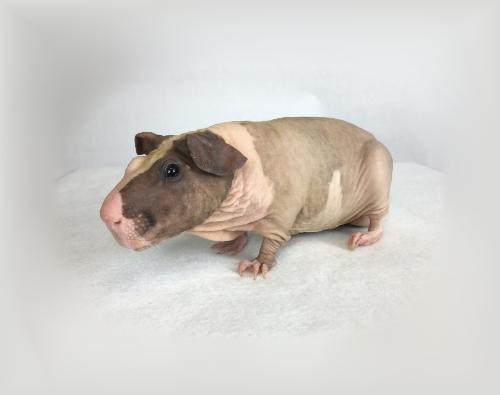
- Guinea pig
- wild boar
- East Asian Deer
- Sheep
- fischer's lovebird
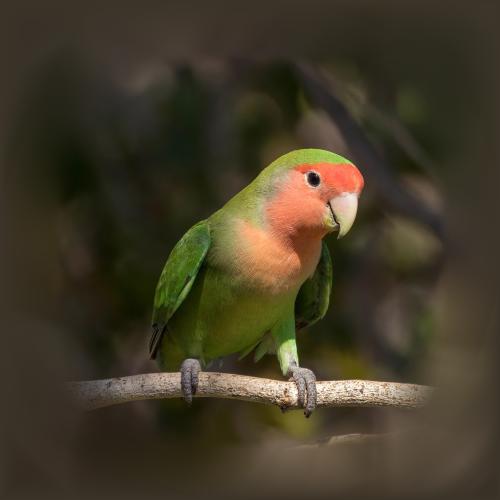
- rosy-faced lovebird
- black-winged lovebird
- yellow-collared lovebird
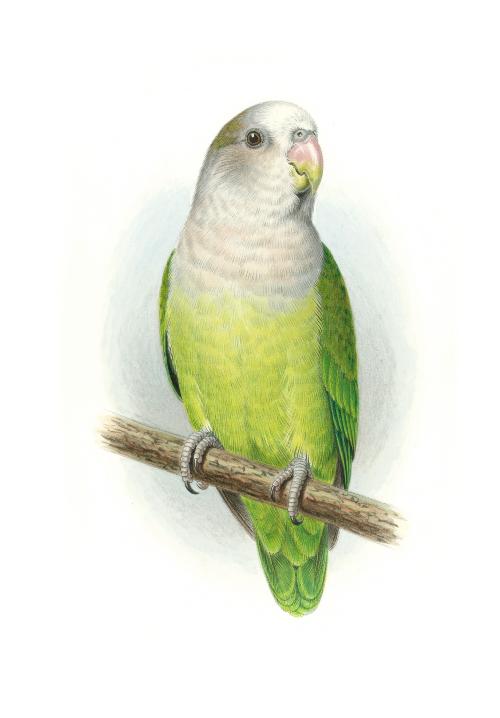
- grey-headed lovebird
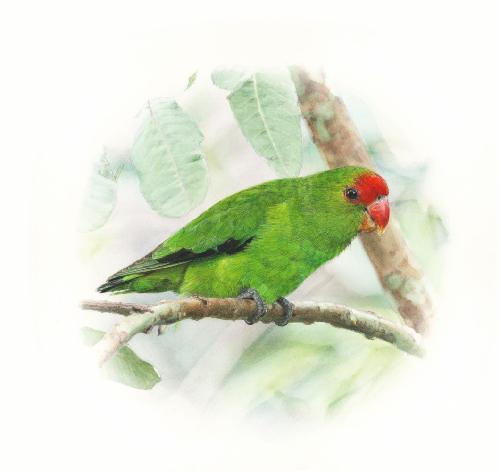
- red-headed lovebird
- black-collared lovebird
- rosy-faced lovebird
- black-cheeked lovebird
- nyasa lovebird
Find your most suitable archetypes
Archetypes are facets of personality and behaviour: sometimes a hamster, sometimes a lion. Take a test for yourself, a friend or a pet.