










The “chigoe flea” archetype
Cultural context
Across Europe, Russia, and Asia the burrowing flea slips through cracks in the floorboards and beneath the skin, leaving a swollen, itching footprint that no one can quite ignore. Folk tales speak of it as a quiet guardian of hidden crumbs and half-buried coins, never seen until it has already made itself a place inside someone else’s warmth. Villagers learn to walk softly at dusk and keep their valuables tucked away, for this insect teaches that what is stored out of sight stays safe longest.
Scales
Folklore reads the chigo through a lens of cunning and entitlement: every harvest is weighed twice, once for need and once for fear of tomorrow’s hunger. Traditions note its stubbornness in holding ground and its readiness to follow others into new shelter, preferring the safety of the pack over solitary daring. Yet a faint thread of sensitivity runs beneath the armor; the flea senses the shift in warmth before anyone else feels the draft, and it stores that knowledge for later leverage.
Core traits
Greed and manipulativeness braid together at the heart of the burrowing flea. It burrows not only to feed, but to claim a private store of blood and safety that others cannot touch. With delicate mouthparts it nudges the host’s movements, steering larger animals toward shaded corners or fresh straw where more food waits, turning need into quiet command.
Strong traits
Baseness, misfortune, rudeness, and pettyness cling to the chigo like grit under a nail. It betrays the host’s comfort without apology, dragging in sand and infection with every scratch. A simple walk across clean boards can end in a trail of tiny disasters, and when danger comes the flea answers with blunt bites rather than retreat, turning small slights into festering grudges that last longer than the wound itself.
Noticeable traits
Worthlessness colors the burrowing flea’s view of its own place. It expects to be brushed aside or crushed, and therefore slips into the narrowest crevice, content to vanish from notice while others take the open floor. This modesty keeps it alive, yet it also feeds a quiet conviction that any larger claim would only invite swift erasure.
How to be around
To live near a burrowing flea, keep routines steady and speak without flourishes. Sudden movements or loud demands startle it into deeper hiding, while quiet consistency lets it map your habits and decide whether you are threat or shelter.
With a woman
A woman watches her household stores the way a flea guards its burrow, counting every coin and crust so nothing slips away unseen. Offer her an exact inventory of what you bring—how much flour, which tool, what hour it will arrive—and she will weigh your words against future need, granting trust only when the numbers balance.
With a man
A man reads the room for hidden angles, steering conversation with small questions that reveal what others intend to keep private. Give him a clear plan for each shared task; when he adjusts the order of steps, accept the change without debate, knowing he is already calculating how the pieces fit his own safety.
With a teenage boy
A teenage boy fears exposure more than hunger, so he hides failure behind quick lies or sudden silence. When he hesitates at the edge of a new task, let him step back without teasing; later, when the moment feels safer, he may return with a steadier hand.
With a teenage girl
A teenage girl expects the next small plan to crumble, so she keeps a second route ready in her mind. Ask her only one question about tomorrow’s outing and wait for her answer; any further probing makes her retreat into the certainty that everything will go wrong.
With a child
A child answers blunt questions with blunt facts and leaves no room for polite circling. Let them state what they want without softening the edges; when they refuse to join a noisy game, accept the refusal and offer a quieter corner instead.
With an animal
An animal pauses at every new threshold, mapping the exact distance between food bowl and doorway before it advances. Place its dish in the same spot each morning and move nothing else; the flea will note the unchanged pattern and begin to treat your shadow as part of the furniture.
After a quarrel
Quarrel with a burrowing flea and the fight stays small until every overlooked detail becomes a weapon. A woman will quietly double the chores left on your list, stacking extra plates beside the sink while the kettle hisses on the stove; a man will question each decision at the exact moment you announce it, his voice cutting through the clatter of silverware at dinner. A teenage boy withdraws into sullen silence, slouched against the doorframe with headphones leaking a tinny beat; a teenage girl predicts every future mishap aloud, tracing patterns in spilled salt on the tablecloth. A child states the hurtful truth without cushion, eyes bright in the afternoon sun, and an animal simply removes itself from reach, leaving an empty bowl where warmth once waited, its faint scent of cedar shavings still rising from the corner.
How to befriend
To befriend a burrowing flea, move as predictably as dusk and show that your presence adds no extra risk. A woman warms when you remember the exact placement of her tools; a man stays near when you follow the route he chose without comment. A teenage boy inches closer after you accept his sudden change of mind, a teenage girl lingers if you do not press for more conversation than she offers, a child trusts the hand that never grabs, and an animal finally rests in your lap once the room stays exactly as it was yesterday.
Similar archetypes
Close facets: images with a similar set of qualities.
- Human Flea
- Dog Flea
- Oriental Rat Flea
- Hen Flea
- Northern Rat Flea
- Hedgehog Flea
- new zealand bat flea
- Martin Flea
Complete opposite
The opposite facet: images whose qualities point the other way.
- Pelican
- common rorqual
- Duck
- Stoat
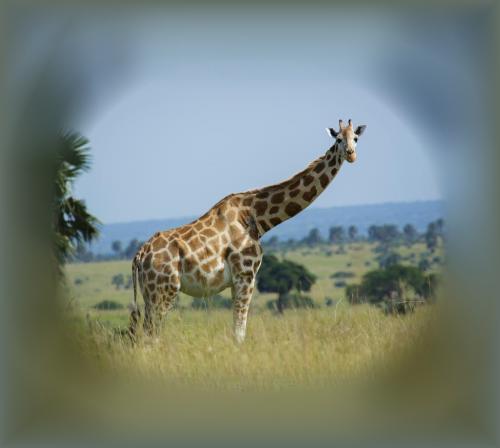
- giraffe
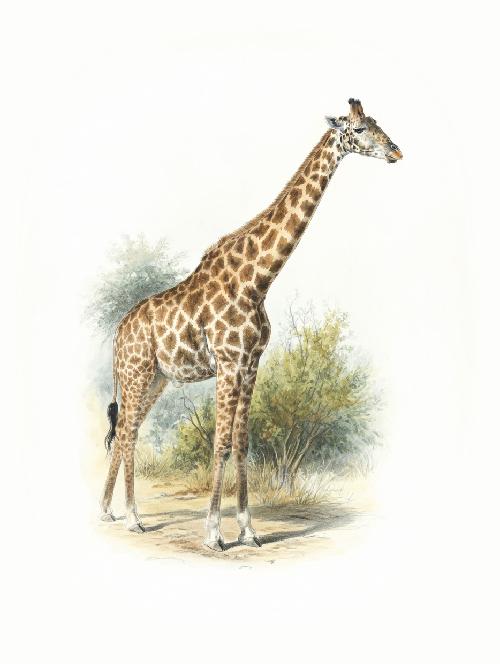
- rhodesian giraffe
- Angolan Giraffe
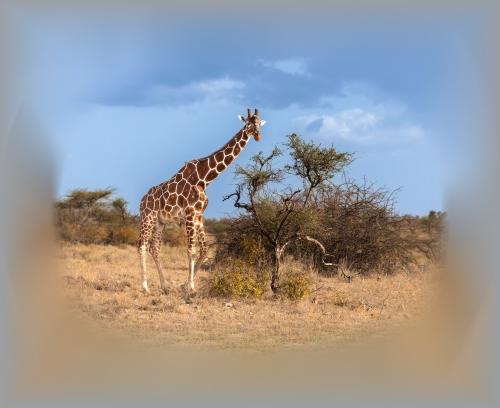
- Reticulated Giraffe
- Reticulated Giraffe
- Southern Giraffe
- Angolan Giraffe
- giraffe
- Chamois
- African Ostrich (female)
- Reindeer
- american bighorn
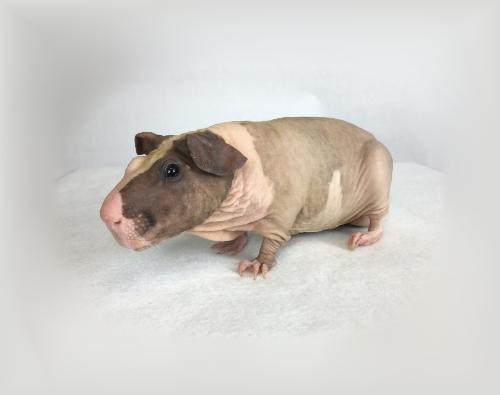
- Guinea pig
- wild boar
- East Asian Deer
- Sheep
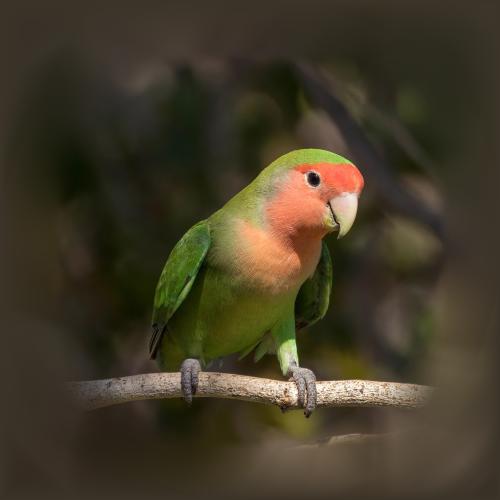
- fischer's lovebird
- rosy-faced lovebird
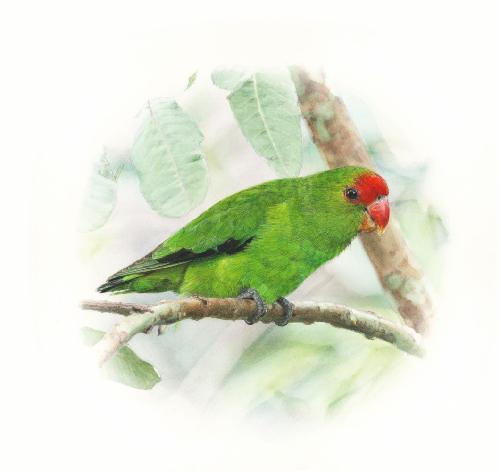
- black-winged lovebird
- yellow-collared lovebird
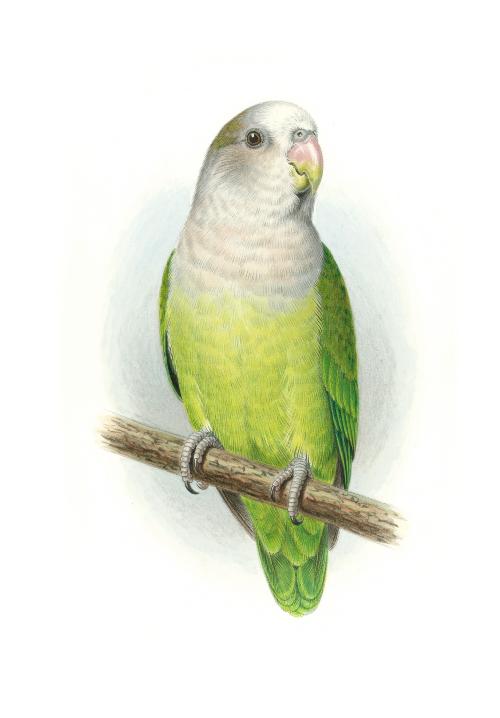
- grey-headed lovebird
- red-headed lovebird
- black-collared lovebird
- rosy-faced lovebird
- black-cheeked lovebird
- nyasa lovebird
Find your most suitable archetypes
Archetypes are facets of personality and behaviour: sometimes a hamster, sometimes a lion. Take a test for yourself, a friend or a pet.