










The “sticktight flea” archetype
Cultural context
Across European farmsteads, Russian cottages and the crowded markets of Asia the hen flea clings to warm feathers like a miser’s hand on coin. Folk memory pictures it as the uninvited guest who slips inside when the hen is too slow to shake her wings, then stays through every storm and feast alike. The same villagers warn that this tiny rider never leaves empty; each season it carries away a hidden tax of blood. Yet the stories also speak of its stubborn patience, riding out the winter when the birds themselves huddle together, so the creature becomes a living token of hard-won security and the fear that any gain may vanish overnight.
Scales
Within these traditions the hen flea reads as a creature driven by cunning and greed, yet it also learns to keep its head down and follow the flock rather than lead. It prefers the safety of conformity to open rebellion, and the same caution that saves it from larger dangers makes it hesitate when a bolder move might bring real gain. Its attention rarely lifts above the next meal or the next warm perch; grand ideals stay out of reach, replaced by the solid weight of straw and feathers. When trouble comes it yields quickly, then clings again to whatever shelter is left, a small, calculating spirit that trusts only what it can hold between its jaws.
Core traits
Greed and manipulativeness sit at the heart of the hen flea. It arrives on a single bird and soon multiplies, drawing warmth and blood until the host grows weaker and the flea stronger; every bite is both meal and stored reserve against leaner days ahead. At the same time it senses where the feathers part most easily and works its way beneath the preening beak, turning the hen’s own habits into cover. The hoard is never large, yet the creature guards each drop of blood as though tomorrow’s frost had already arrived, and it will shift to a fresher bird the moment the old perch grows cold.
Strong traits
A thread of baseness runs through the hen flea, born of constant fear that the next host will shake it off. It waits for darkness, then bites where the skin is thinnest, betraying the bird that keeps it alive. Misfortune follows close behind: the hen preens, the flea loses its grip, the wind carries it to the mud, yet it climbs again, patient and undeterred. When it speaks—if the bite can be called speech—it is quick and sharp, no courtesy wasted, and it clings to the smallest patch of skin long after larger parasites have moved on, a creature of petty victories and lasting grudges.
Noticeable traits
Worthlessness colours every movement of the hen flea. It never claims the centre of the roost; instead it tucks itself beneath the wing, a dark speck no one notices until the first itch. The modesty is genuine: the flea steps aside when a larger parasite claims the best vein, yet the same smallness feeds an endless doubt that any host will last. When the bird finally rids itself of its rider, the flea drops to the straw without protest, already scanning the next warm body as though its own disappearance were only a matter of time.
How to be around
Approach the hen flea with care for its constant watchfulness. Offer a steady perch and a predictable supply of warmth, then wait; sudden moves send it deeper into hiding, while quiet patience draws it forward to test the new shelter with cautious bites.
With a woman
When a woman shaped by the hen flea’s greed sits at the table, place the largest portion nearest her without comment; she will notice the gesture and read it as foresight rather than charity. Later, when she weighs every coin twice before spending, ask what future shortage she fears; the question shows you understand her need to store warmth against coming cold, and she will answer with the exact margin she keeps between herself and want.
With a man
A man who carries the hen flea’s manipulativeness watches every conversation for leverage. Give him the facts plainly and let him rearrange them; when he offers a plan that quietly favours his own security, accept the part that serves you and decline the rest without heat. He will respect the boundary because you have shown you see the same hidden angles he does.
With a teenage boy
A teenage boy marked by baseness and quick surrender will test a new friend with small deceits—borrowed money returned late, a shared secret half-told. Meet each test with the same small honesty you expect; when he retreats after a setback, leave the door open and the light on. The fragile hope that someone will not exploit his weakness may be the first honest thing he has risked in weeks.
With a teenage girl
A teenage girl whose life feels ruled by Misfortune and self-first survival will keep an extra pen, an extra bus fare, an extra excuse. When her carefully laid plan collapses, do not rush to repair it; sit with her while she counts the new losses, then ask which single item she can still protect. The question honours both her caution and her private ledger of survival.
With a child
A child who blends the hen flea’s rudeness with a cautious streak may blurt the truth about a missing biscuit, then shrink when laughter follows. Let the blunt statement stand, answer it directly, and move on; the next time the child feels crowded they will choose the corner rather than the centre of the room, and the corner is where they feel safest.
With an animal
An animal that carries the hen flea’s pettyness will examine every seam of its bedding for loose threads or stray seeds. Provide a clean corner with predictable shadows and do not rearrange it daily; the creature will spend long minutes sorting the smallest fragments, and in that patient sorting it finds the only order it trusts.
After a quarrel
To set the hen flea on edge, keep shifting its perch and removing the smallest comforts it has gathered. A woman will bristle when her careful store is called extravagant; a man will harden when his quiet arrangement is exposed to open view. A teenage boy withdraws when his minor deceptions are laughed at; a teenage girl turns away when another plan is ruined without warning. A child grows silent when told to share the single toy it has hidden; an animal scratches harder when its chosen crack in the wall is suddenly filled with straw.
How to befriend
To draw the hen flea closer, become part of the quiet rhythm it already follows. Walk behind rather than ahead when paths are uncertain; notice the faint change in breathing when a hand comes near without threat. A woman trusts the friend who remembers which coin she keeps aside; a man values the listener who repeats his own plan back to him unchanged; a teenage boy stays near the one who never asks for the borrowed item twice; a teenage girl lingers where her small precautions are treated as ordinary; a child returns to the lap that does not demand a smile; an animal settles on the sleeve that stays still.
Similar archetypes
Close facets: images with a similar set of qualities.
- Human Flea
- Dog Flea
- Oriental Rat Flea
- Hen Flea
- Northern Rat Flea
- chigoe flea
- Hedgehog Flea
- new zealand bat flea
Complete opposite
The opposite facet: images whose qualities point the other way.
- Pelican
- common rorqual
- Duck
- Stoat
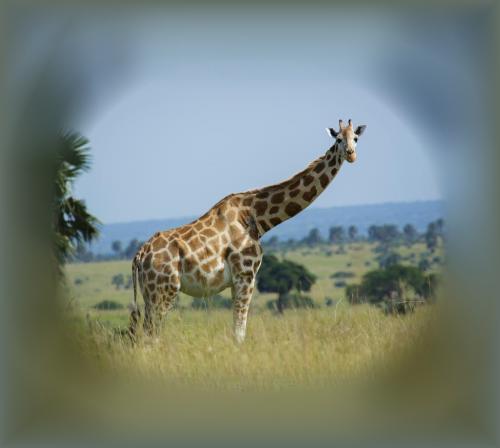
- giraffe
- rhodesian giraffe
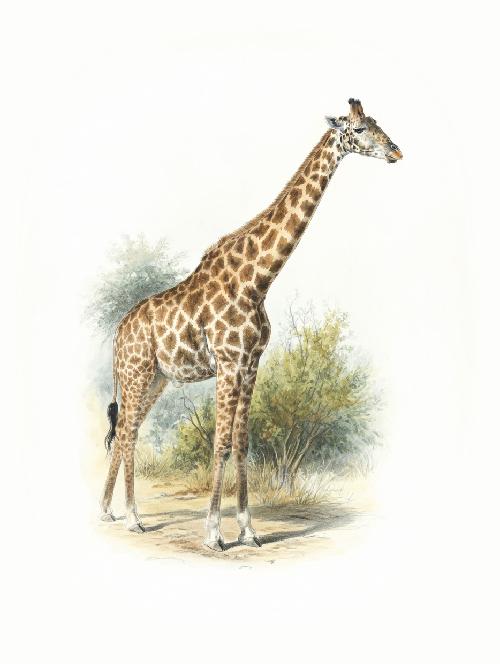
- Angolan Giraffe
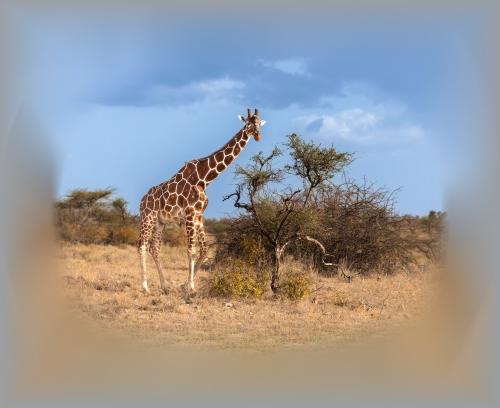
- Reticulated Giraffe
- Reticulated Giraffe
- Southern Giraffe
- Angolan Giraffe
- giraffe
- Chamois
- African Ostrich (female)
- Reindeer
- american bighorn
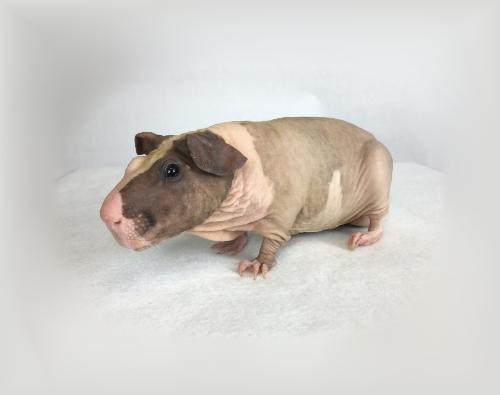
- Guinea pig
- wild boar
- East Asian Deer
- Sheep
- fischer's lovebird
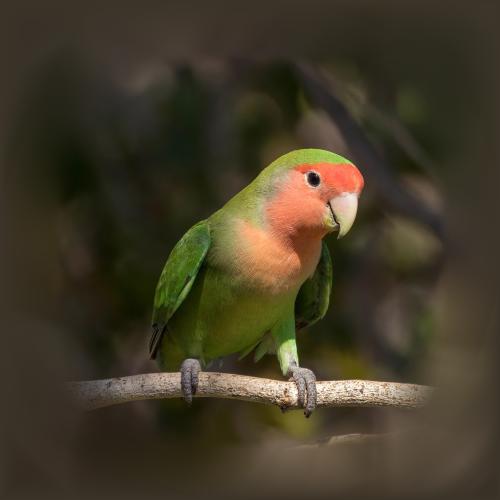
- rosy-faced lovebird
- black-winged lovebird
- yellow-collared lovebird
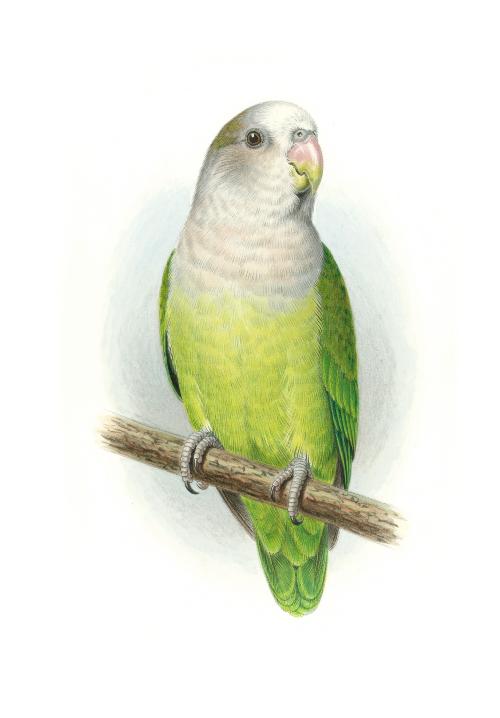
- grey-headed lovebird
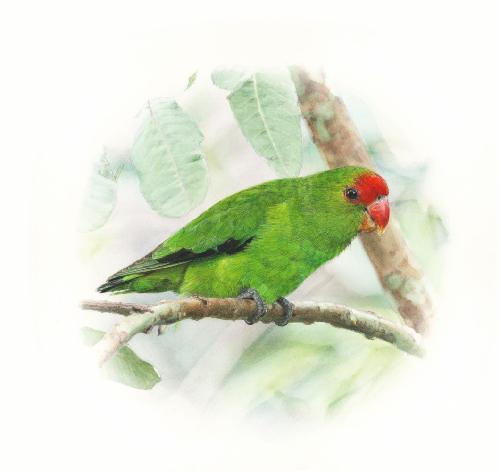
- red-headed lovebird
- black-collared lovebird
- rosy-faced lovebird
- black-cheeked lovebird
- nyasa lovebird
Find your most suitable archetypes
Archetypes are facets of personality and behaviour: sometimes a hamster, sometimes a lion. Take a test for yourself, a friend or a pet.