










The “Martin Flea” archetype
Cultural context
Across the farms and towns of Europe, Russia and the distant fields of Asia the swallow louse passes from nest to nest like a dark thread stitched through feathered life. Villagers once watched the small creature ride hidden on the swallow’s breast, carrying the scent of straw and warm blood into the eaves. Its silent passage, felt only as an itch or a faint rustle under feathers, taught the watchers that power may live inside the smallest shadow. People who seemed to do little often held the whole season together, and so the image of this louse became a quiet emblem of unseen leverage and careful thrift.
Scales
In these traditions the Ceratophyllus hirundinis stands for a mind that hoards what it can, yet keeps the hoard so well hidden that no one suspects the weight. Its manner is marked by quarrels that break out over the smallest crumbs, by a readiness to surrender when the wind shifts, and by a habit of caring first for its own thin legs before lifting another. It stays close to the ground, choosing the sure crumb over any distant promise, and it will follow the flock rather than strike a new path. Still, a faint note of feeling stirs now and then, a quick, almost hidden pulse that senses another’s need before it is spoken.
Core traits
Greed keeps the Ceratophyllus hirundinis busy at every seam of the nest, tucking away a drop of blood against tomorrow’s cold. It watches the swallow’s warmth the way a miser watches coins, turning every small advantage into another layer of safety. At the same moment its manipulativeness lets it sense which feather will twitch next, and it shifts its place so gently that the bird never knows the move was guided. The two drives work together like a hidden pulley, one pulling in, the other steering the line, until the louse sits exactly where it needs to be.
Strong traits
Baseness clings to the Ceratophyllus hirundinis like dust in dry straw; fear of losing its tiny place can push it toward a quick betrayal of its host. Misfortune follows close behind, turning a steady meal into a tumble when the swallow preens or a sudden gust lifts the nest. Rudeness shows in the sharp bite it gives without warning, and pettyness keeps it fretting over the exact spot on a feather where the next drop will fall. These habits draw trouble the way damp cloth draws mildew, yet each small defeat only tightens its grip on what little it already holds.
Noticeable traits
Worthlessness sits in the Ceratophyllus hirundinis like a shadow no larger than itself. It sees its own life as one speck among thousands on the swallow’s wing and expects to be brushed aside without notice. That same smallness lets it slip between feathers without resistance, yet it carries the constant doubt that any effort it makes will be forgotten before the next dawn.
How to be around
To live near the Ceratophyllus hirundinis, notice the quiet calculations behind each pause and each sudden shift. Offer nothing that forces an open choice; instead, leave small, steady resources within reach so the creature can gather them without asking.
With a woman
A woman who carries the Ceratophyllus hirundinis keeps a private store of time and effort, adding to it even when others imagine she has nothing left. Let her finish the careful counting of tasks before you offer help, and do not ask her to divide what she has set aside. When she senses that sharing would thin her own margin, she will draw back without a word; respect that line and she may later open one small corner of her store.
With a man
A man who carries the Ceratophyllus hirundinis watches for the moment when another’s need can be turned to his own advantage. Give him the first clear word about any shared plan, then step back while he rearranges the parts to suit his picture. If he feels the plan slipping from his hands he will hold his ground with quiet insistence until the shape returns to the one he chose.
With a teenage boy
A teenage boy who carries the Ceratophyllus hirundinis may hide a small advantage rather than admit he fears losing it. When he feels exposed he will trade one secret for another or step away before anyone can ask for more. Offer him a private corner where he can test his own small schemes, and he will return when the fear of being seen has passed.
With a teenage girl
A teenage girl who carries the Ceratophyllus hirundinis expects the next small plan to fail and readies an excuse before she begins. Give her a single task that cannot be taken from her and let her finish it without comment on the result. If she senses that someone else might claim the credit she will quietly set the work aside rather than risk another loss.
With a child
A child who carries the Ceratophyllus hirundinis will tell the plain truth about a broken toy even when the words cut. Do not soften the moment with extra praise; simply hear the fact and leave the child to decide what to do with the pieces. When the same child later chooses to play alone, the choice is not retreat but a wish to keep the game exactly as it is.
With an animal
An animal that carries the Ceratophyllus hirundinis will spend long minutes arranging a single straw before it rests. Place the straw where the animal can reach it without moving far, and leave the rest of the space untouched. The creature will accept the gift as its own discovery and settle without needing further notice.
After a quarrel
The Ceratophyllus hirundinis quarrels by shrinking from notice until the moment it can claim the smallest share. A woman will answer with a single precise correction that leaves the other speaker suddenly unsure of every word. A man will fall silent and rearrange the shared work so that every later step must pass through him. A teenage boy will offer a cutting fact that ends the talk before feelings can be named. A teenage girl will let the plan fall apart and then point out that she expected it to fail. A child will hide a needed object and later insist it was never there. An animal will simply move to the far corner of the cage and refuse to return until the space is left empty again.
How to befriend
The Ceratophyllus hirundinis comes closer when it can follow a steady path already laid down. A woman warms when another quietly keeps the same small promises day after day. A man draws nearer once he sees that his choices are accepted without argument. A teenage boy stays when someone else admits a small weakness first. A teenage girl lingers if her careful notes about the day are heard without interruption. A child trusts the person who leaves one toy exactly where it was placed. An animal settles when the same hand offers the same quiet corner at the same hour.
Similar archetypes
Close facets: images with a similar set of qualities.
- Human Flea
- Dog Flea
- Oriental Rat Flea
- Hen Flea
- Northern Rat Flea
- chigoe flea
- Hedgehog Flea
- new zealand bat flea
Complete opposite
The opposite facet: images whose qualities point the other way.
- Pelican
- common rorqual
- Duck
- Stoat
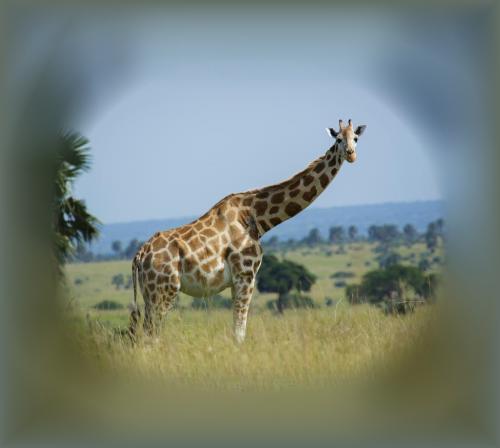
- giraffe
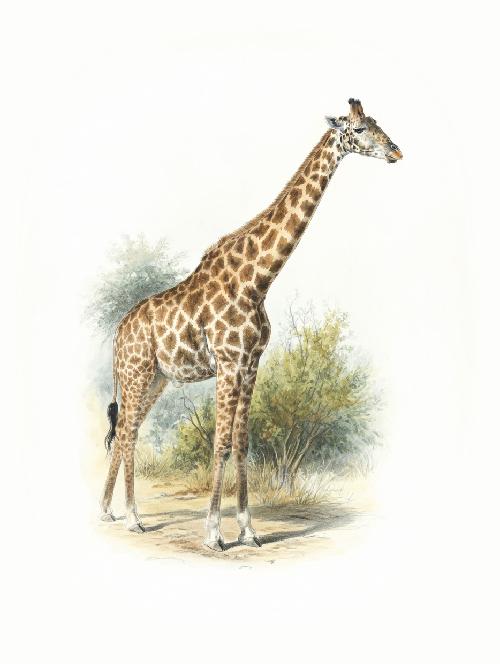
- rhodesian giraffe
- Angolan Giraffe
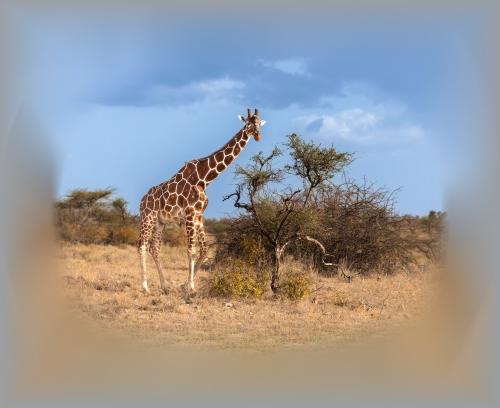
- Reticulated Giraffe
- Reticulated Giraffe
- Southern Giraffe
- Angolan Giraffe
- giraffe
- Chamois
- African Ostrich (female)
- Reindeer
- american bighorn
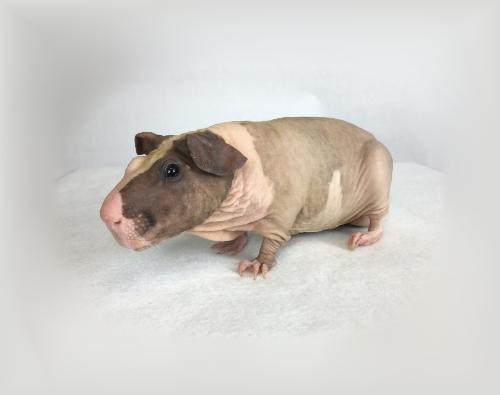
- Guinea pig
- wild boar
- East Asian Deer
- Sheep
- fischer's lovebird
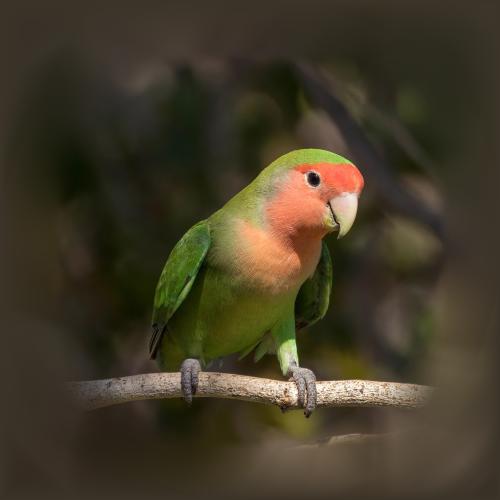
- rosy-faced lovebird
- black-winged lovebird
- yellow-collared lovebird
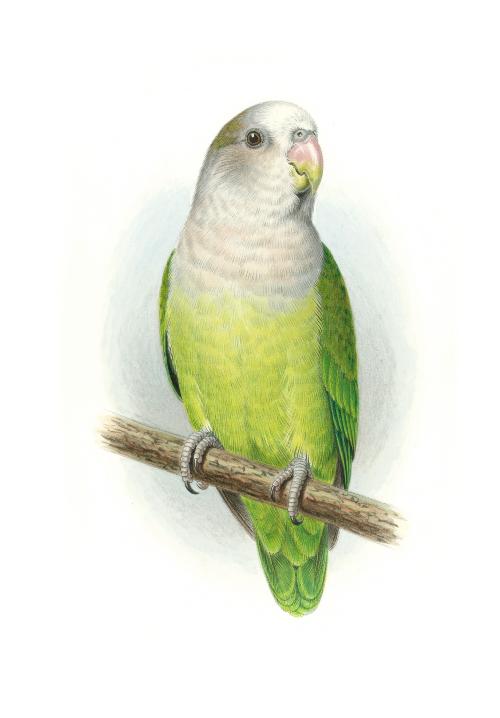
- grey-headed lovebird
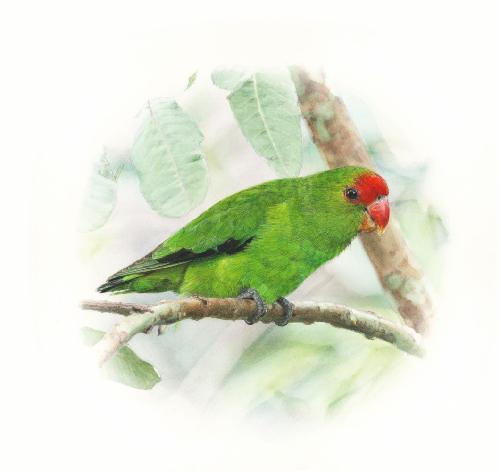
- red-headed lovebird
- black-collared lovebird
- rosy-faced lovebird
- black-cheeked lovebird
- nyasa lovebird
Find your most suitable archetypes
Archetypes are facets of personality and behaviour: sometimes a hamster, sometimes a lion. Take a test for yourself, a friend or a pet.