










The “Sparrow Flea” archetype
Cultural context
Across Europe and deep into the Slavic heartland the moorhen flea, Dasypsyllus gallinulae, has long stood for the hidden hand that gathers crumbs from every table. Russian villagers watched this speck ride the feathers of water birds and saw in its stealth the same shrewd eye that counts every grain before the winter sets in. In the steppes of Asia the same insect was woven into cautionary tales of tiny lives that hoard warmth and never share a single drop of dew with a neighbour, yet still lose their nests to sudden winds. Light glints on its lacquered shell like a secret coin slipped into a pocket, and the faint click of its claws on reed stalks echoes the careful footsteps of someone who expects every kindness to cost something in return.
Scales
Tradition sees the moorhen flea as a creature pulled toward cunning and entitlement, yet bowed by its own quick surrender. It clings to the familiar reed rather than launch into open air, and its mind races over tiny risks until plans collapse under their own weight. Quarrelsomeness flares when another flea claims the same feather shaft, but the flare dies fast; the flea withdraws into the downy shadow and waits for the host to move on. Self-interest outweighs any urge to share, and the insect’s material eye fixes on the next drop of blood more readily than on distant horizons, so its rebellion stays a murmured rustle rather than an open leap.
Core traits
Greed and manipulativeness weave the flea’s daily rhythm. It creeps along the vein until the host’s pulse slows, then drinks just enough to last the next cold night, never leaving the smallest share for a rival rider. The same hunger teaches it to read every twitch of feather or scale, shifting its grip so that the bird’s preening beak passes harmlessly overhead. When the host bathes, the flea slips to a sheltered quill and waits, counting the seconds until safety returns. Such foresight keeps its tiny belly full, yet the hoard is never enough; each safe perch only sharpens the fear that the next bath will wash everything away.
Strong traits
Misfortune dogs the moorhen flea like a second shadow. A sudden gust lifts the bird, a shower drenches the reeds, and the flea’s careful plans scatter like droplets on wind. Baseness surfaces when it senses weakness: it will abandon a weaker neighbour mid-jump if the leap promises drier shelter. Rudeness shows in the way it ignores every polite signal of the host’s irritation and simply bites again. Pettiness keeps it fixed on the single barb that still holds warmth, even when the whole wing offers safer purchase; it measures safety in fractions of a millimetre and trusts nothing larger than its own claw span.
Noticeable traits
Worthlessness threads the flea’s movements with quiet resignation. It rides where the bird’s wing hides it from light, never claiming the open back or the proud crest. When the host preens, the flea flattens itself until it is scarcely thicker than a thread, content to vanish rather than contest space. This modesty lets it survive unnoticed, yet the same smallness breeds the constant whisper that any stronger gust or sharper beak could erase it without effort or memory.
How to be around
Watch how the moorhen flea reads every shift of feather before it settles; that same attention rewards anyone who notices small signals of unease and answers them with steady calm rather than sudden movement.
With a woman
A woman who carries the moorhen flea’s patience will first secure her own reserves before she offers anything away, so respect her need to keep a private store of time and warmth. When she senses an opening she will steer conversations toward practical advantage; meet that foresight with clear facts rather than vague praise, and she will trust you enough to lower her guard by one careful notch.
With a man
A man marked by the moorhen flea will test every suggestion for hidden cost before he agrees, so speak plainly about your own limits and he will answer with the same exactness. If he feels pushed he digs in, repeating his first plan until the pressure lifts; give him room to adjust the details himself and the quarrelsome edge softens into steady cooperation.
With a teenage boy
A teenage boy who shares the moorhen flea’s quick surrender may freeze when a plan threatens to unravel, so offer one small, certain next step instead of urging bravery. He may hide a setback behind silence or a half-truth born of fear; accept the silence without demanding confession and the next attempt comes sooner and straighter.
With a teenage girl
A teenage girl who feels the moorhen flea’s private claim on safety will guard her plans like a hidden larder, checking them twice before she shares. When something goes wrong she expects the loss as if it were already written; name the setback out loud with her and the quiet fatalism loosens enough for her to try again without apology.
With a child
A child who echoes the moorhen flea’s blunt honesty may answer a question with a single flat word that leaves no cushion for feelings; accept the word at face value and the next sentence arrives with less armour. When crowds press close the child draws back into the nearest quiet corner; let the corner remain theirs and the stiffness eases into cautious curiosity.
With an animal
An animal that carries the moorhen flea’s narrow focus will inspect every seam of its bedding before it settles; once the seams pass inspection it stays put for hours. Sudden noise sends it searching for the single safest thread again, so keep changes small and announced by scent or sound rather than by abrupt motion.
After a quarrel
A quarrel with the moorhen flea begins when its modest claim on space is brushed aside. A woman will withdraw her attention to a single private task and leave the rest of the room to manage itself. A man will repeat his original terms without raising his voice until the other side tires. A teenage boy will answer every suggestion with the same short refusal, eyes fixed on the floor. A teenage girl will list every past slight in careful order, each one no larger than a grain of sand yet impossible to dismiss. A child will hide a favourite object and wait for the loss to be noticed. An animal will simply leave the shared perch and settle on the farthest available edge, its silence louder than any protest.
How to befriend
Friendship with the moorhen flea grows from noticing the single safe perch it has already chosen and leaving it undisturbed. A woman warms when you remember the exact hour she prefers for quiet and do not fill it with talk. A man stays close if you keep your promises to the minute and never add an extra request. A teenage boy drifts nearer when you ask his opinion on a small repair and then follow his instructions without comment. A teenage girl lingers if you mention, once, the detail she fixed yesterday and do not ask for thanks. A child trusts the hand that sets a cup down in the same place each time. An animal settles when the room keeps the same sequence of light and shadow from morning until night.
Similar archetypes
Close facets: images with a similar set of qualities.
- Human Flea
- Dog Flea
- Oriental Rat Flea
- Hen Flea
- Northern Rat Flea
- chigoe flea
- Hedgehog Flea
- new zealand bat flea
Complete opposite
The opposite facet: images whose qualities point the other way.
- Pelican
- common rorqual
- Duck
- Stoat
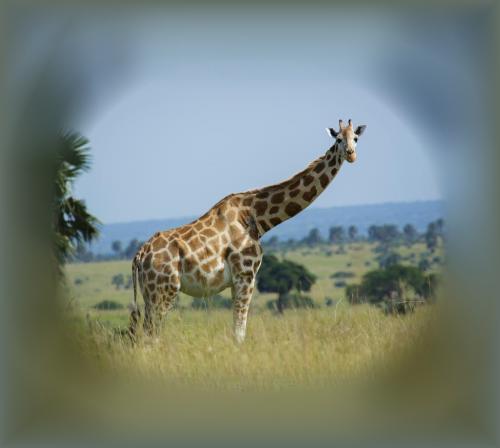
- giraffe
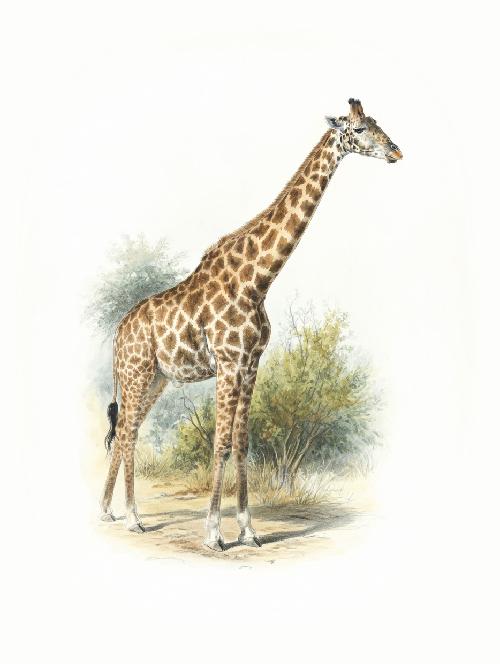
- rhodesian giraffe
- Angolan Giraffe
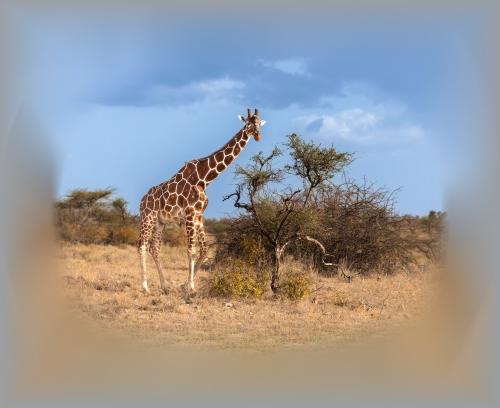
- Reticulated Giraffe
- Reticulated Giraffe
- Southern Giraffe
- Angolan Giraffe
- giraffe
- Chamois
- African Ostrich (female)
- Reindeer
- american bighorn
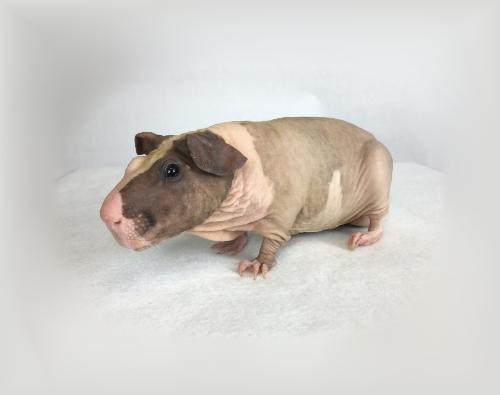
- Guinea pig
- wild boar
- East Asian Deer
- Sheep
- fischer's lovebird
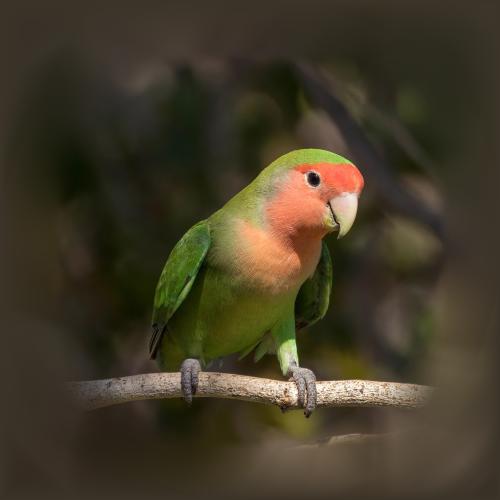
- rosy-faced lovebird
- black-winged lovebird
- yellow-collared lovebird
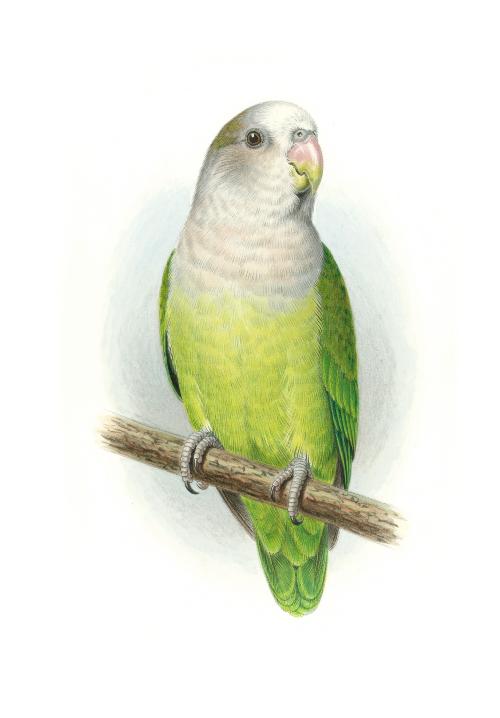
- grey-headed lovebird
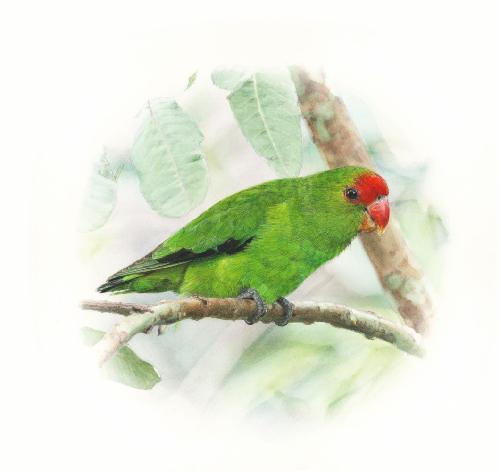
- red-headed lovebird
- black-collared lovebird
- rosy-faced lovebird
- black-cheeked lovebird
- nyasa lovebird
Find your most suitable archetypes
Archetypes are facets of personality and behaviour: sometimes a hamster, sometimes a lion. Take a test for yourself, a friend or a pet.