










The “Northern Flea” archetype
Cultural context
Across Europe, Russia and the reaches of Asia the northern flea, Ceratophyllus borealis, slips through every tale of survival as the unbidden guest who never starves. Villagers in wooden huts once blamed the parasite for empty grain bins and for the sudden fortune of a poor man who suddenly found a hidden coin under his floorboard. In carved lintels and embroidered towels its silhouette hints at the same contradiction: a creature small enough to vanish between threads yet able to drain life drop by drop. Storytellers therefore speak of it when they wish to illustrate how the unnoticed may still shape the course of a household, how a speck of hunger can steer the hand that holds the purse.
Scales
In these traditions the northern flea stands at the crossroads where abundance and ruin meet. It hoards what it can steal, yet the same instinct that builds its hidden cache also makes it flinch at every breeze that might sweep the treasure away. The flea bends before the slightest draught of authority and rarely questions the customs of the roost, trusting instead the steady rhythm of the host’s heartbeat. It watches the world with an eye tuned for shadows, measuring every gain against the threat of loss, and it remains on the fringe of the great events, content to ride the current rather than steer it.
Core traits
Greed and manipulativeness together shape the northern flea’s every leap. It clings to its chosen host not merely for shelter but to draw an unbroken stream of warmth and blood, never releasing until the vessel weakens. When another parasite ventures too close, the flea shifts its bite with exquisite timing, nudging rivals aside by the lightest pressure of its claws. Such foresight keeps the flea alive through lean seasons, yet it also leaves the creature reluctant to share even a single drop once the flow is secured.
Strong traits
A thread of baseness runs beneath the flea’s polished shell, born of fear that tomorrow’s host may simply brush it off. Misfortune shadows each jump; a careless flick of the tail or an unexpected gust can send the creature tumbling into dust. When cornered it answers with a single stinging word or a quick nip, its rudeness meant to end the threat before trust can form. At the same time its tiny eyes fix on the smallest imperfection—a loose scale, a frayed thread—and the flea worries at it until the larger pattern of safety is lost in the detail.
Noticeable traits
Worthlessness sits quietly inside the northern flea, a sense that its life is only a borrowed sip from a larger body. It never claims the centre of the skin; instead it slides into the folds where light does not reach, grateful simply to remain unnoticed. This modesty shields it from larger predators, yet it also keeps the flea from ever testing whether it might survive on its own.
How to be around
To move safely near the northern flea one must learn its rhythms of caution. Offer steady warmth without sudden gestures, and watch how the creature answers with the smallest shift of its legs. Only after that tiny acknowledgment does it permit a closer look at the map it keeps of every resource around it.
With a woman
When a woman carries the northern flea’s mark she guards her resources with the same single-minded grip the insect keeps on its host. Give her practical aid in managing her stores rather than praise for the foresight itself, and she will begin to trust that you will not drain what she has gathered. Her cunning is never loud, yet it calculates every exchange down to the last hidden reserve.
With a man
A man shaped by the flea’s nature reads the undercurrents of every conversation long before others finish their sentences. Let him steer a shared plan with his quiet adjustments; he will steer it toward security without ever naming the fear that drives each choice. When stubbornness surfaces, answer it with a single clear fact rather than an argument, and the path remains open.
With a teenage boy
A teenage boy who shelters the flea’s baseness may hide behind small deceits born of dread that any openness will be used against him. Offer him a low-stakes task where failure costs little, then stay nearby without comment if he falters; the steadiness itself teaches him that surrender need not be the only escape. Fragility shows in the speed with which he withdraws when the task grows heavy.
With a teenage girl
A teenage girl touched by the flea’s sense of misfortune expects every plan to unravel before it begins. Let her rearrange the details of a joint project until the imagined disasters shrink to manageable size; her first success, however small, loosens the grip of that waiting collapse. She will not ask for rescue, only for room to test whether this time the outcome might hold.
With a child
A child who carries the flea’s bluntness speaks the plain truth even when it stings, then retreats into silence once the words are out. Listen without softening the edge, and answer with equal directness; the child learns that honesty need not end in exile. At the same time a watchful stillness often keeps the child at the edge of a game rather than inside it.
With an animal
An animal bearing the flea’s temperament examines each new cushion or corner with microscopic attention before settling. Place its bowl and bedding exactly where it last approved them; any shift invites a long inspection that delays every other activity. Its mind stays with the grain of the wood and the angle of the light, content when the smallest measurements remain unchanged.
After a quarrel
The northern flea meets conflict by shrinking first and then striking from the new shadow it has found. A woman withdraws her cooperation the moment her stores are questioned; a man answers with a single cutting correction that ends the discussion. A teenage boy disappears behind a wall of small lies rather than admit uncertainty, while a teenage girl lets the smallest setback become proof that the whole venture was doomed. A child meets disagreement with a flat statement and then silence, and an animal simply leaves the room, refusing to return until the disturbance has passed.
How to befriend
Friendship with the northern flea grows from repeated, unremarkable reliability rather than sudden warmth. A woman draws nearer when you remember the exact limit she set on sharing; a man stays close if you accept his adjustments without debate. A teenage boy tests loyalty by offering a minor confidence and watching whether it travels further; a teenage girl accepts company once you notice the detail she has already adjusted three times. A child learns trust when you keep the same seat beside them each evening, and an animal settles when its chosen patch of fabric remains exactly as it left it.
Similar archetypes
Close facets: images with a similar set of qualities.
- Human Flea
- Dog Flea
- Oriental Rat Flea
- Hen Flea
- Northern Rat Flea
- chigoe flea
- Hedgehog Flea
- new zealand bat flea
Complete opposite
The opposite facet: images whose qualities point the other way.
- Pelican
- common rorqual
- Duck
- Stoat
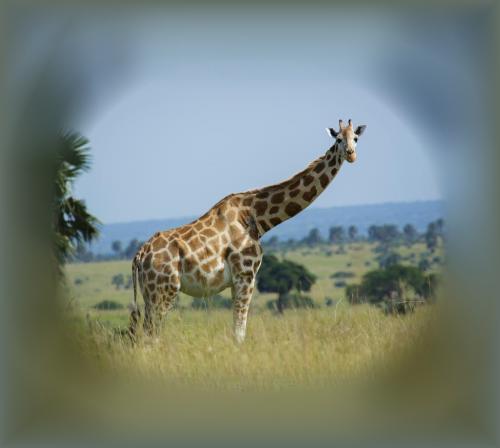
- giraffe
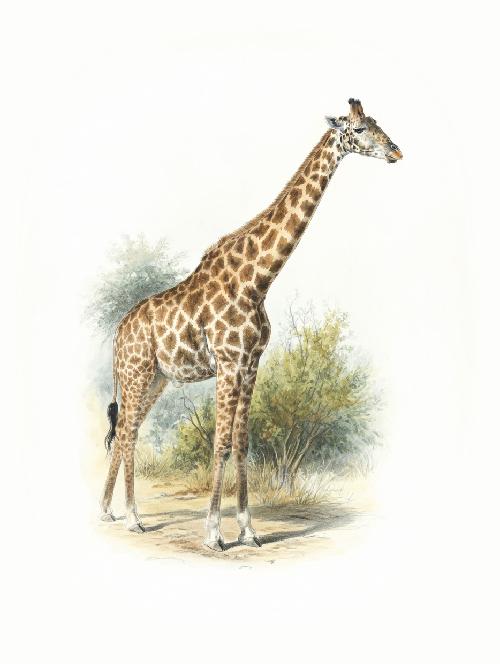
- rhodesian giraffe
- Angolan Giraffe
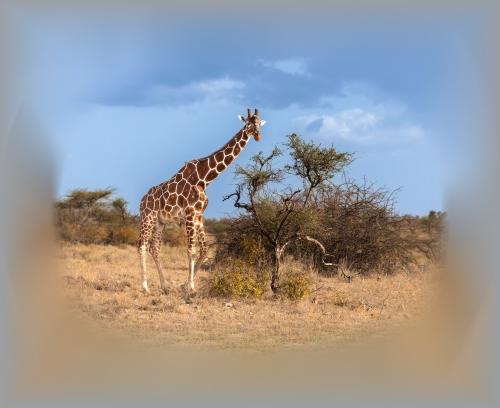
- Reticulated Giraffe
- Reticulated Giraffe
- Southern Giraffe
- Angolan Giraffe
- giraffe
- Chamois
- African Ostrich (female)
- Reindeer
- american bighorn
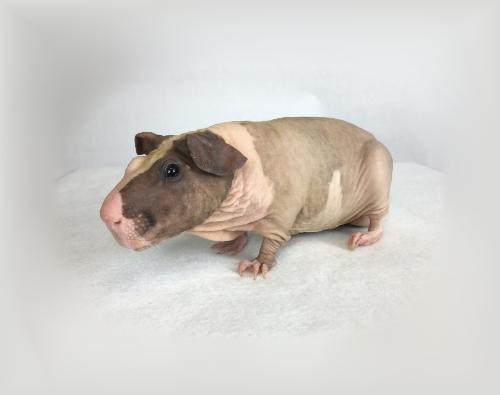
- Guinea pig
- wild boar
- East Asian Deer
- Sheep
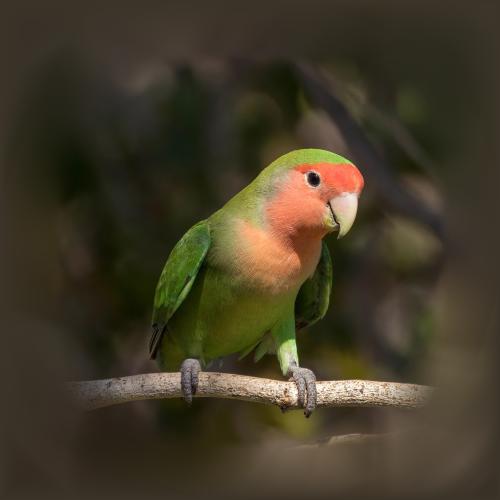
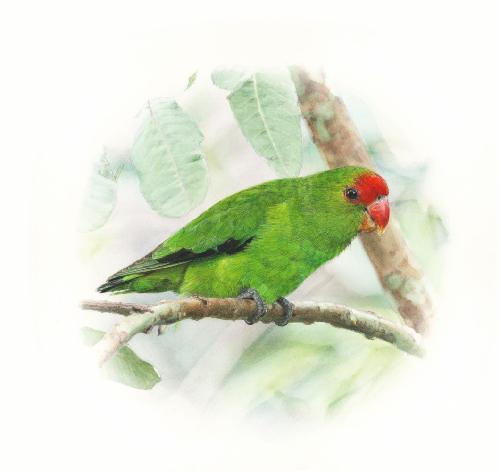
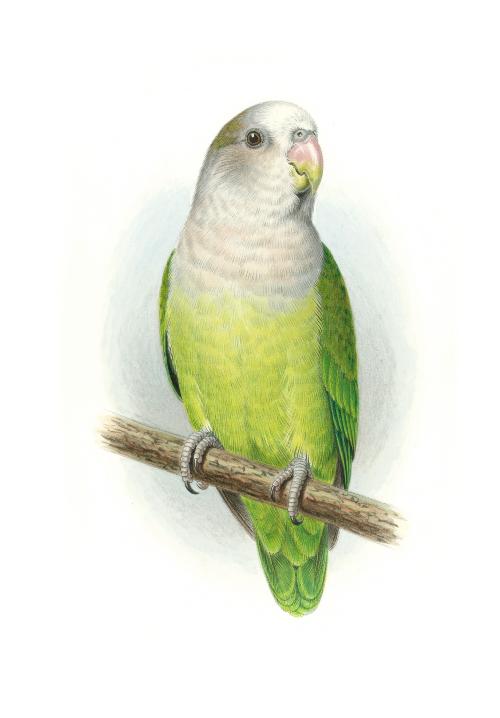
- fischer's lovebird
- rosy-faced lovebird
- black-winged lovebird
- yellow-collared lovebird
- grey-headed lovebird
- red-headed lovebird
- black-collared lovebird
- rosy-faced lovebird
- black-cheeked lovebird
- nyasa lovebird
Find your most suitable archetypes
Archetypes are facets of personality and behaviour: sometimes a hamster, sometimes a lion. Take a test for yourself, a friend or a pet.