











The “black-crowned night heron” archetype
Cultural context
In European lands the black-crowned night-heron is a bird of dusk. While other herons stand in daylit shallows, it hunches in reeds and willows until evening, then flies out over dark water with a hoarse croak that carries a long way. Russians named it kvakva after that voice. Anyone walking a river or fishpond after sunset met it as a grey shape that was there one moment and gone the next, a hunter who preferred the unwatched hour. The tradition reads it as a creature of the margins: wary, patient and discreet about its business, more at home in half-light than in the open. Its reputation is for watchfulness rather than boldness. It survives by choosing when to be seen, and it rarely chooses noon.
Scales
Read through its strongest and weakest poles, this heron is a study in contrasts. Its intellect runs shallow: judgments come fast and thin, and little holds its interest beyond the next fish. Yet it feels a great deal, catching shifts of mood with fine sensitivity, and it wants standing, a place in the pecking order that others will notice. Agreeableness runs low, so it argues stubbornly, looks after itself first and is not above a sly trick or a grab for more than its share. Convention means little to it; it breaks with tradition without a backward glance. The body tells another story: strong, athletic and hardy, with stamina for long flights in the dark. Order is the weak spot, since its habits wander and its attention drifts, and a small streak of rebellion makes it resist the pull of the flock.
Core traits
Cowardice sits at the centre of this bird. It is no simple lack of nerve but an instinct for self-preservation that stays switched on even where nothing threatens. The heron sizes up every shadow before stepping into it, and its great skill is avoiding risks that others never notice. The price shows when the moment calls for a decisive move: it retreats, and the opening closes. Its strength and its weakness are one habit seen from two sides, and the bird knows only the first side.
Strong traits
Foolishness and flight run side by side here. The heron's thoughts wander through fog, with instinct often overruling clear thinking, so it blunders into odd decisions and sometimes into a mess. But it learns from its blunders and now and then stirs up a change nobody expected. Flight is its way to rest and rethink after stress, a quiet stretch of bank where the world stops pressing. Go there too often, though, and daydreams replace real problems, and its ties with other creatures fray. The task is to come back before the water goes cold.
Noticeable traits
Dominance is present at a steadier level. The night-heron likes to take the lead and arrange the space around it, and in a crisis that gift for order can rescue everyone on the bank. The drawback is that it may talk over other opinions and lose sight of what the rest of the group needs, so tension gathers in the very place it has just tidied up.
Muted traits
Aggression is the faint note in this chord, yet it sounds clearly when a boundary is crossed. The heron defends its patch and its catch firmly, and left undisciplined that force turns into sudden quarrels that wreck friendships and leave everyone wary. Trained and held in check, the same energy becomes plain steadiness in standing one's ground, a calm refusal to be pushed off the best fishing spot, and no feathers need fly.
How to be around
How should you treat a night-heron? Move calmly and speak low, because it studies every newcomer from cover before it steps into view. Coax rather than corner it, and remember that its timidity is a craft for staying alive, not a flaw to tease. Patience with this bird is repaid in loyalty.
With a woman
A woman-night-heron who wants to vanish for an evening should be allowed to, with no questions asked at the door. Agree on a signal, perhaps a lamp left on in the hallway, that means she is retreating to recharge and will surface when ready. When she comes back, ask what she has been thinking over and listen to the end without finishing her sentences.
With a man
Hand a man-night-heron the controls in a crisis and thank him aloud for the order he brings. Then slip other opinions in yourself, with a line like "Anna saw it differently." Heard from you, they land as information, not as a challenge to his command, and he will weigh them instead of drowning them out, which is half the battle with a heron who likes to lead.
With a teenage boy
Before a teenage boy-night-heron tries something new, cheer him on and name the one real risk in a single sentence. Afterwards, ask what the mishap taught him and laugh together at its silliest moment. He learns quickly from blunders, but he hates being mocked for them, so keep the laughter shared and never aimed at him.
With a teenage girl
A teenage girl-night-heron reads moods like weather, so say plainly what pleases you and what worries you, with no hints and no sighing. If her door slams, leave a note or hot tea outside it and return in an hour. Skip the old failure; talk about what went right this week and mean it.
With a child
A child-night-heron finds new things alarming, and scolding adds no courage. Introduce the unfamiliar in steps: watch the neighbour's dog from the gate, then approach together, and let the little one choose the moment to hold out a hand. Name that moment bravery.
With an animal
An animal-night-heron keeps a night owl's hours, so feed it at dusk and build a perch high enough to survey the room from shadow. Trust its read of danger when it freezes or slips away. Never laugh at its jumpiness; a calm voice earns more than any treat.
After a quarrel
To quarrel with a night-heron or get under its skin, haul it into the light unannounced, demand quick decisions and argue in front of an audience. A woman will bristle at an interrogation about where she vanished, a man at his command being taken away, a teenage boy at laughter over a blunder, a teenage girl at hints and sighs in place of words, a child at forced introductions, and the animal at a sudden lamp in its dark corner. Grumbling follows, and then the heron simply disappears, leaving you to argue with an empty bank.
How to befriend
To befriend a night-heron or win it over, become a quiet harbour: arrive at dusk, talk in an undertone and never cross-examine its absences. With a woman, share silence beside a window. A man warms to a joint job in which he runs the show. A teenage boy takes to a joke about a shared slip, a teenage girl to a promise kept to the letter, and a child to small, patient steps. The animal answers to supper laid out at sunset, always in the same corner.
Similar archetypes
Close facets: images with a similar set of qualities.
- somali ostrich
- Turkey
- Blanc de l'Ouest Pig
- Fly
- pygmy hippopotamus
- Snail
- Cockroach (domestic, red)
- Hippopotamus female
Complete opposite
The opposite facet: images whose qualities point the other way.
- Sturgeon
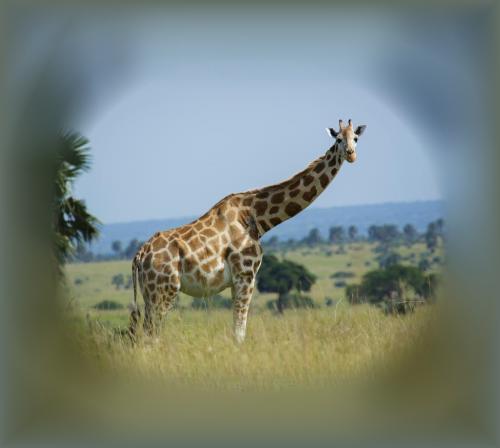
- giraffe
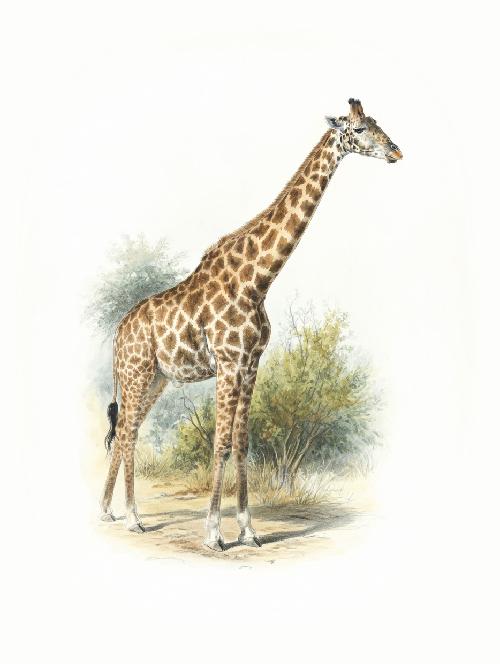
- rhodesian giraffe
- Angolan Giraffe
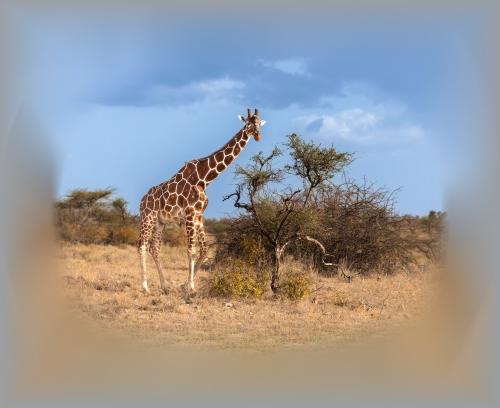
- Reticulated Giraffe
- Reticulated Giraffe
- Southern Giraffe
- Angolan Giraffe
- giraffe
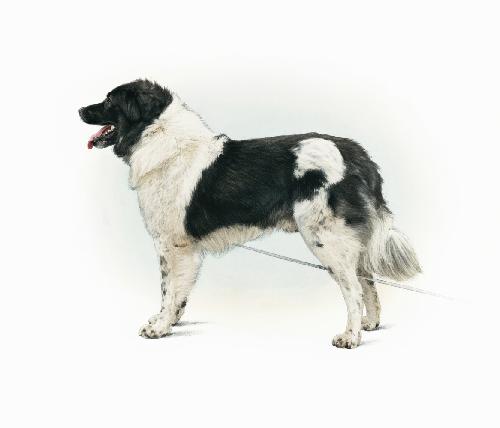
- Dog
- eurasian siskin
- Black-headed Siskin
- olivaceous siskin
- eurasian siskin
- eurasian siskin
- eurasian siskin
- eurasian siskin
- eurasian siskin
- eurasian siskin
- eurasian siskin
- hooded siskin
- eurasian siskin
- tibetan serin
- andean siskin
- yellow-bellied siskin
- saffron siskin
- lawrence's goldfinch
- Woodpecker
- Porpoise / Dolphin
- Densely Lamellate Oyster
Find your most suitable archetypes
Archetypes are facets of personality and behaviour: sometimes a hamster, sometimes a lion. Take a test for yourself, a friend or a pet.