




The “Snail” archetype
Cultural context
The snail turns up in both European and Chinese thinking, and each reads it differently. European lore, drawing on the garden snail and the Roman snail alike, pictures a creature that carries its house on its back, inches along a shining trail and still arrives: a figure of patience, humility and small-scale perseverance, though sometimes of weariness and solitude too, since the burden never comes off. Chinese tradition, by contrast, treats the unhurried snail as a sign of steadiness and quiet wisdom, an animal that never panics about the road ahead and always finds its way back to it. Put the two together and you get an odd, appealing creature: timid yet quietly bossy about its patch, craving security but not entirely free of ambition. The spiral shell sums it up, being both fortress and private room, and the place where the snail keeps its own counsel.
Scales
In the tradition's eyes the snail is a serious animal. Play rarely lights it up; prestige matters, and it likes to be seen as somebody within its own small domain. Stamina and bodily toughness come easily to it, which is why it outlasts weather and delays that would flatten livelier creatures. Yet it tends to follow rather than lead, keeps its feelings fairly private, and looks after its own comfort before volunteering for sacrifice. A trace of carelessness about order sits beside a cunning sense of what it is owed. It picks up the moods of others with real sensitivity and conforms to them more readily than it rebels, so even its quiet distance from convention is practised indoors, behind the shell door.
Strong traits
Slowness and calm form the core of this nature. The snail notices what hurried creatures overlook: the damp edge of a leaf, a change in the light, a stone that was not there yesterday. Nothing is rushed until it makes sense, and that patience gives it a steady head when others lose theirs. The same stillness has a cooler side. A snail can meet an emotional upheaval from a long way off, and it can stretch a simple task until brisker companions start to sigh.
Noticeable traits
Beneath the calm run four darker currents. Dominance makes the snail arrange its surroundings to suit itself, and it can talk over those who think differently. Cowardice, a keen instinct for self-preservation, keeps it out of unnecessary danger but also sends it backward just when boldness is needed. Protectiveness guards loved ones fiercely, though it may harden into suspicion of anyone outside the circle. Laziness, finally, is a gift for real rest, with the shadow that rest slips into dodging chores. Together they make a creature that commands its corner and retreats from the open road.
Muted traits
Weak willpower hums in the background, mostly unnoticed. It lets the snail adapt to circumstances and sidestep pointless quarrels, which is a real convenience. The price is that goals melt away when somebody firmer speaks, and decisions get handed to whoever sounds most certain. Left alone, this tendency keeps a snail in the same safe patch of garden for years. Building an inner backbone is slow work for it, but a snail that manages it becomes remarkably hard to dislodge.
How to be around
How should you treat a snail? Start by learning its tempo. It examines every new thing for a long time before putting out its horns, and it warms to people who bring quiet and predictability rather than bustle. The six notes below take each age and role in turn, because what coaxes a grown woman out of her shell is not what works on a child or a pet.
With a woman
A woman-snail rarely says no outright; she says she will think about it. Take that sentence at face value, ask which first step feels manageable, then wait for her answer over tea. Praise the thoroughness behind her caution, because to her it is not timidity but the way she becomes the dependable one in the family. Once she sees her care is valued, she starts offering opinions unasked.
With a man
Give a man-snail his own corner: a shelf, an armchair, an evening without visitors. He will arrange it to the last detail and guard it fiercely. If he falls silent, skip the heart-to-heart and knock on the doorframe with a practical question, such as whether he wants a hand with the rota, and let him decide how long to stay in the conversation.
With a teenage boy
A teenage boy-snail goes quiet because he is thinking, not sulking. Slip a note with one question into his day and come back for the answer tomorrow. Let him make the unglamorous choice himself, even if it takes three days; a decision he reached alone sticks better than ten you made on his behalf.
With a teenage girl
A teenage girl-snail tends to agree with her friends on the spot and regret it afterwards. Ask what she actually wants, then hand her a ready phrase such as "let me sleep on it", which she can carry like a spare shell. Admire the first time she says it aloud, however small the occasion.
With a child
A child-snail pulls in at the first sharp word, so keep your voice low and announce what comes next: bath, then story, then lights out. Let the little one line up the morning's toys in whatever order feels right. A routine built from the child's own choices becomes a house that can be carried anywhere, even to a noisy birthday party.
With an animal
An animal-snail likes the world to stay put. Place its shelter, dish and favourite resting spot in the same place every day, feed it at one hour, and pick it up only after it has already looked out. Small constants like these let the creature believe it is safe, and a creature that feels safe will stroll across open ground.
After a quarrel
To quarrel with a snail or get under its skin, barge into its refuge with demands. A man-snail will bristle if his belongings are rearranged, a woman-snail if she is hurried to a verdict, the teen boy if someone reads his messages, the teen girl if her caution is mocked in front of friends. A child-snail crumples at nicknames like "slowcoach", and an animal-snail seals itself inside the moment its hiding place is shaken. Whichever one you face, the quickest way to lose a snail is to show up loudly, uninvited and in a hurry.
How to befriend
To befriend a snail or win it over, arrive slowly and bring something warm. It prizes whoever can sit nearby without needing to fill the silence. Tell a man-snail you like the way he keeps things in order; send a woman-snail a letter instead of calling; invite the teen boy on a walk where nobody has to talk; give the teen girl a notebook with a lock; read a child-snail the same bedtime story as often as asked; and leave a treat at the entrance to an animal-snail's shelter. Trust arrives the way the snail itself does: late, but unmistakably, and it stays.
Similar archetypes
Close facets: images with a similar set of qualities.
Complete opposite
The opposite facet: images whose qualities point the other way.
- fischer's lovebird
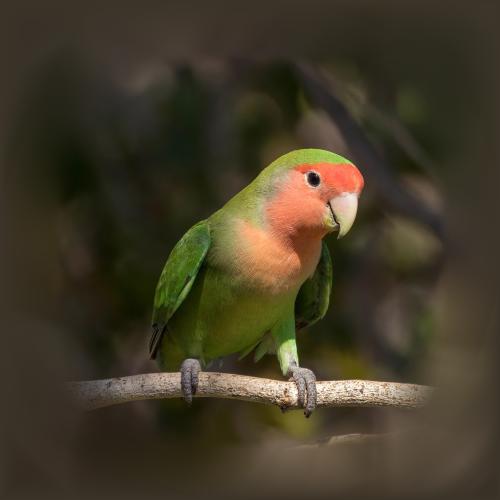
- rosy-faced lovebird
- black-winged lovebird
- yellow-collared lovebird
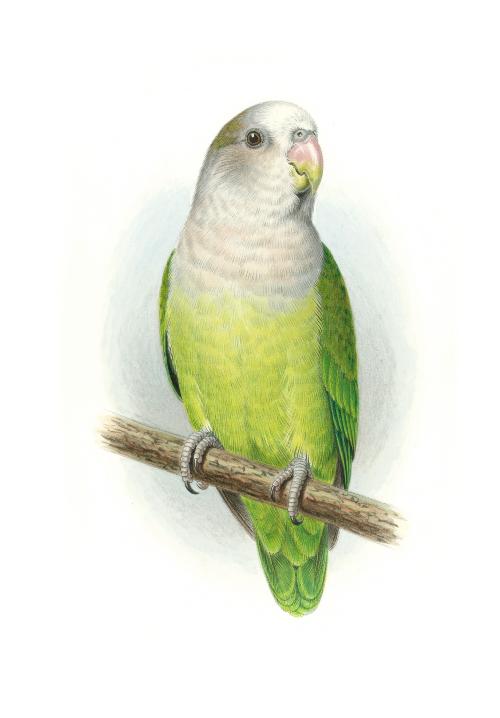
- grey-headed lovebird
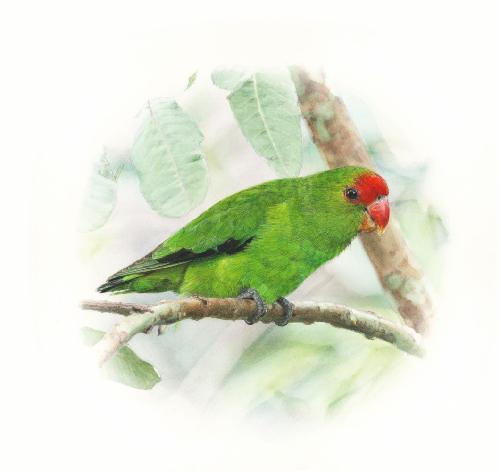
- red-headed lovebird
- black-collared lovebird
- rosy-faced lovebird
- black-cheeked lovebird
- nyasa lovebird
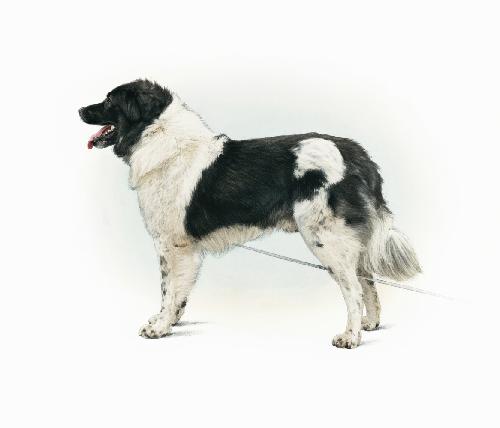
- Dog
- Sheep
Find your most suitable archetypes
Archetypes are facets of personality and behaviour: sometimes a hamster, sometimes a lion. Take a test for yourself, a friend or a pet.