





The “Dorsal midge” archetype
Cultural context
Wherever water gathers in still pools, the Chironomus dorsalis draws crowds of curious eyes, for it has long been watched as a reminder that plenty and stinginess can share one body. Fishermen in northern lakes recall how the insect drifts across the surface in clouds that look like drifting gold, a gift that swells nets yet vanishes before dawn; in the same breath, they warn that whoever scoops too greedily will find the water suddenly empty. Villagers on the Siberian steppe tell of midsummer nights when the swarm hums like a living necklace, lighting the air with tiny wings; they also remember the late-comer whose net was torn by neighbors eager to guard their share. Tales from Baltic marshes call it the insect that paints dusk with living smoke, then disappears into the mud leaving nothing behind. Through these scattered images the creature stands as a living ledger of gifts and reckonings, an airborne reminder that abundance can be counted, hoarded, and spent.
Scales
Across these stories the Chironomus reads as a creature forever measuring what it can keep and what it must yield. A quick, almost calculating mind cuts through appearances, sizing up every current and reed, while a strong body lets it rise in sudden spirals that catch the last light. It seldom lingers with old customs, yet it seldom breaks them either; it watches the water’s ritual rise and fall and simply rides the same rhythm a moment longer than its neighbors. Its heart stays close to the silt, practical rather than visionary, and its steps follow the current more often than they strike against it. When the swarm thickens, it chooses the thickest part, drawing warmth and safety from numbers instead of striking out alone.
Core traits
At the very center of its life lies an appetite that never loosens its grip. The Chironomus gathers every floating speck of food and every patch of calm water as though each might be the last; it hoards warmth, light, and silence with the same fierce foresight that fills its body before the long winter. Yet the same foresight can turn every generous act into a debt that others will one day repay, and the swarm that once seemed to offer shelter suddenly feels like a crowded ledger. In the end, the creature’s own fullness can leave it uneasy, unable to give without first counting the cost.
Strong traits
Close beside this hunger moves a darker skill: the insect can read the smallest ripple that betrays another’s fear or hunger, then steer the whole swarm with a single tilt of its wings. It notices which larva drifts toward danger and which turns aside, then nudges the current so the danger meets someone else first. Its eye for detail is merciless; a single broken wing-beat tells it where weakness lies, and it moves in without hesitation. When words are not enough, it cuts straight to the truth, stinging neighbors with blunt facts that leave no room for courtesy, and the air afterward tastes of salt and regret.
How to be around
To move safely among these swarms one must watch the water’s surface as carefully as the insect itself. Notice which current it rides and which it avoids, then place yourself where the flow already carries it toward safety. Offer nothing until the moment its wings begin to tire; at that instant a steady hand can guide it without ever seeming to lead.
With a woman
A woman who carries the Chironomus’s spirit keeps every favor she grants like a counted coin. When she shares warmth or shelter she already pictures the exact moment repayment will be due, so speak plainly about what you can return before she offers anything. If she hoards a resource you need, name the future exchange aloud; the clarity lets her release what she fears losing, and her foresight becomes a shared plan rather than a private stockpile.
With a man
A man of the same temper fears that any gift he accepts will later be used against him. He may lie about small needs rather than risk appearing weaker than the swarm. Meet his suspicion with steady, visible actions: carry the heavier load without comment, then step back so he can claim the credit. Trust grows only when he sees that your help does not carry a hidden tally.
With a teenage boy
A teenage boy who shares this nature studies every glance in the group before he speaks, already mapping who owes whom. He will steer conversations toward outcomes that protect his own standing. Let him notice an advantage he can offer someone else; once he tastes the power of generous guidance, the same sharp eye can turn toward protecting the circle instead of guarding only himself.
With a teenage girl
A teenage girl watches the tiniest shifts in tone or posture, catching every slight before anyone else names it. She may linger over a single misplaced word long after the conversation has moved on. Ask her to map the details for a shared task; her precision becomes an asset once it serves a larger design rather than a private grievance.
With a child
A child speaks the plain facts of hunger or tiredness without softening them for company. The same honesty can cut play short if another child’s feelings are bruised. Give the child a private task whose result will clearly help the group, then let the honest report of success stand as praise; the direct truth now builds rather than divides.
With an animal
An animal of this species circles its tank or dish many times before settling, reading every current and shadow for hidden risk. Place the container where light and flow remain steady, and leave the decision of when to emerge entirely to the creature. Once it has charted the space in its own time, it will rest without the restless measuring that once kept it circling.
After a quarrel
The quickest way to set the swarm against you is to change the familiar pattern of give and take without warning. A woman feels the balance tilt when an expected return is delayed or altered; a man hears challenge in any public doubt of his judgment; a teenage boy withdraws the moment his careful map of favors is questioned; a teenage girl tightens when a single detail she guarded is dismissed as trivial; a child grows rigid if a promised share is moved without explanation; an animal thrashes when its circling route is suddenly blocked.
How to befriend
Friendship forms when you bring something the swarm has not yet seen: a new leaf drifting on the current, a fresh patch of light across the water. A woman warms when you show how an unfamiliar resource can be kept without cost to her own store; a man trusts once you share the work of lifting something heavier than either of you could manage alone; a teenage boy leans closer when you let him test a plan that rearranges the group’s usual order; a teenage girl stays when you praise the exact observation she made that no one else caught; a child stays near once you ask for the honest report of how a game actually felt; an animal settles when the same hand that offers food also keeps the light steady and the water calm.
Similar archetypes
Close facets: images with a similar set of qualities.
- Black midge
- Thick-tailed midge
- New Zealand midge
- Yoshimatsu's midge
- Serres' midge
- Stream mosquito
- southern house mosquito
- western encephalitis mosquito
Complete opposite
The opposite facet: images whose qualities point the other way.
- wild boar
- mallard
- american bighorn
- fischer's lovebird
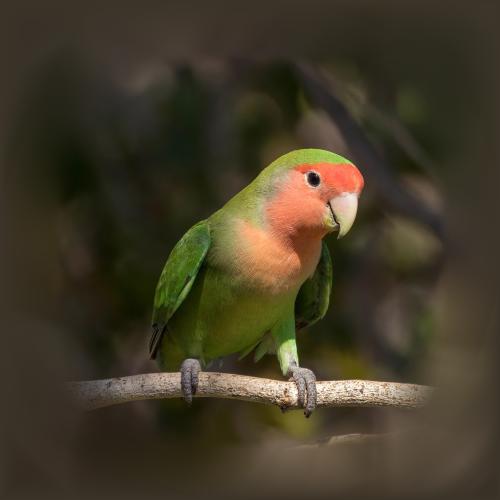
- rosy-faced lovebird
- black-winged lovebird
- yellow-collared lovebird
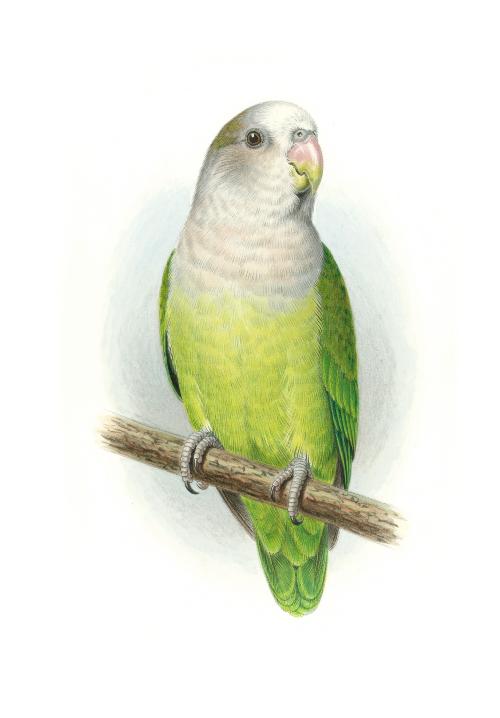
- grey-headed lovebird
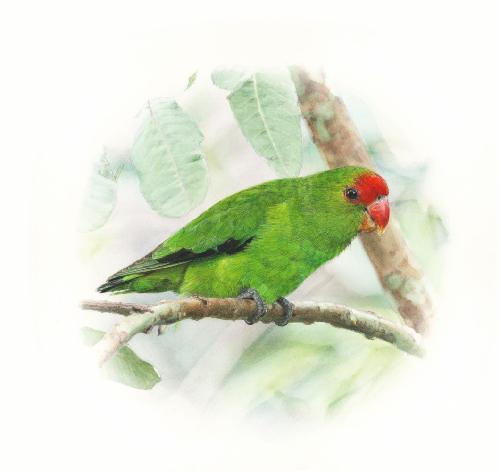
- red-headed lovebird
- black-collared lovebird
- rosy-faced lovebird
- black-cheeked lovebird
- nyasa lovebird
- Pelican
Find your most suitable archetypes
Archetypes are facets of personality and behaviour: sometimes a hamster, sometimes a lion. Take a test for yourself, a friend or a pet.