










The “Cockroach (domestic, red)” archetype
Cultural context
The German cockroach, Blattella germanica, lives in an odd partnership with nearly every modern culture. It thrives in the cracks and crevices of our built world, in kitchens, behind radiators, under sinks, and people everywhere react with the same mix of disgust and grudging respect. It is the unwelcome guest that never takes the hint, and also a quiet emblem of persistence: empires and fashions come and go, but something small and brown still scuttles along the skirting board at midnight. The cockroach does not win anyone over by grace or beauty. It endures by staying patient, staying out of sight and making good use of whatever crumbs the household leaves behind, and that is exactly why people cannot quite forget it.
Scales
Seen through its scales, the cockroach lives on a long horizon, unmoved by trends, opinions or the passing moods of the household. Beauty means nothing to it, and the world is a matter of what works. It distrusts novelty and clings to familiar routes along the same walls, and it resists easy agreement, so quarrels with it tend to harden rather than melt. Generosity and sacrifice are not its habits, since looking after itself comes first, and a sly, practical intelligence helps it bend a situation its way. It follows its own scent trails rather than anyone's lead, and it keeps to the shadows rather than the spotlight. Yet beneath the shell lies a surprising sensitivity, an ear for other creatures' distress that its guarded, reserved manner rarely lets anyone notice.
Core traits
Ugliness and filth form the core of this archetype. The cockroach repels at first sight and makes no attempt to charm, and there is a kind of honesty in that: it shows the dark, ungroomed side of the world that most people would rather not see. Decay and renewal do not bother it in the slightest. It treats grime as a practical matter, with no squeamishness and no apology, and cleanliness and tidiness simply carry no weight in its world. What looks like neglect from outside is, for the cockroach, ordinary practicality, a way of getting by wherever people leave something behind.
Strong traits
Greed and cowardice sit a step behind, but they are plainly audible. Everything useful gets carried off and guarded against the lean days ahead, which makes for prudence on a good day and hoarding on a bad one. At the first sign of danger the hoarder is gone into the nearest crack. That caution spares the cockroach needless risks, though it also means it retreats just when someone needs it to stand firm.
How to be around
How should you treat someone of this kind? Start by accepting that it has no interest in warmth or welcome. Its aim is to survive and stay independent, and it watches everyone around it with cool detachment. Bright lights and sudden movements read as threats and it will vanish in a blink, so keep your voice level, your movements slow and your expectations modest.
With a woman
A woman-cockroach has no patience for talk about tidiness, so skip the speech about the sink and offer something concrete: take the dishes yourself and say nothing. She will not fight you over it, but she will not join in either. Once the mess has been cleared away, mention that she handled a rough week better than most people would have, and she will remember who noticed.
With a man
With a man-cockroach, leave his corners alone. The drawer, the shelf and the toolbox are his, and a hand reaching in registers as a break-in. Ask for his help only when a real problem needs two people, such as a leaking pipe or a stalled car, and let him choose the method. Petty chores he considers pointless will simply earn you a shrug.
With a teenage boy
Share a room or a corner with a teenage boy-cockroach and make no inspections of it. His mood swings and his mess are weather, not a statement about you. When something baffles him, sit down nearby with a snack, say nothing about it and wait. Boys this age often start talking once nobody is trying to make them.
With a teenage girl
A teenage girl-cockroach wants a place to watch from. Give her a seat by the window at a loud gathering, or a door that she can close without commentary. Ask her to notice something instead of asking her to join in: what did she make of that speech, or that stranger? Her cautious, quiet eyes catch details others miss, and being asked is a compliment she will treasure.
With a child
A child-cockroach hoards: pebbles, bottle caps, stray buttons in a shoebox under the bed. Treat the box as a private bank. Ask what is inside before you tidy anything, and give a fair warning if it must move. Offer a bigger box at bedtime and a flashlight if the dark worries them. The child will trust that nothing precious disappears behind their back.
With an animal
An animal-cockroach, as a pet or a houseguest, keeps its own timetable of dusk and dawn. Put a small saucer of food in the same spot each evening and leave a gap behind a cupboard where it can slip away. Predictability matters more than petting.
After a quarrel
To quarrel with a German cockroach or get under its shell, switch the lights on, shift the furniture and block its escape routes. A man-cockroach is furious when you question his methods in front of others, a woman-cockroach when you scrub her things away, a child when his treasures are thrown out, and a teenage girl when you demand she explain herself. The animal simply goes missing for days, and when it returns it keeps a wary distance from whoever caused the fuss.
How to befriend
To befriend a cockroach or win it over, act the opposite of a cleaning inspector: bring dependable habits and small, steady kindnesses. A woman-cockroach warms to practical help, a teenage boy to being spoken to as an equal, a child to a promise kept to the letter. The animal learns your footsteps first and then your scent, and when it finally lingers in sight while you move around the room, you have been accepted, and that counts for a great deal.
Similar archetypes
Close facets: images with a similar set of qualities.
- common european toad
- Fly
- Bed bug
- European toad
- Golden Jackal
- black-crowned night heron
- Louse
- European Cormorant
Complete opposite
The opposite facet: images whose qualities point the other way.
- Pheasant
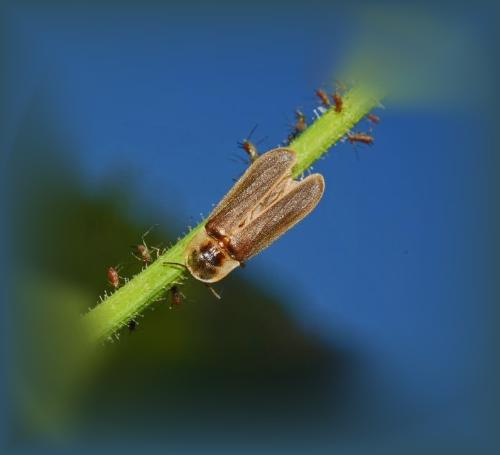
- iberian firefly
- Heron
- Crane
- Panda
- eurasian bullfinch
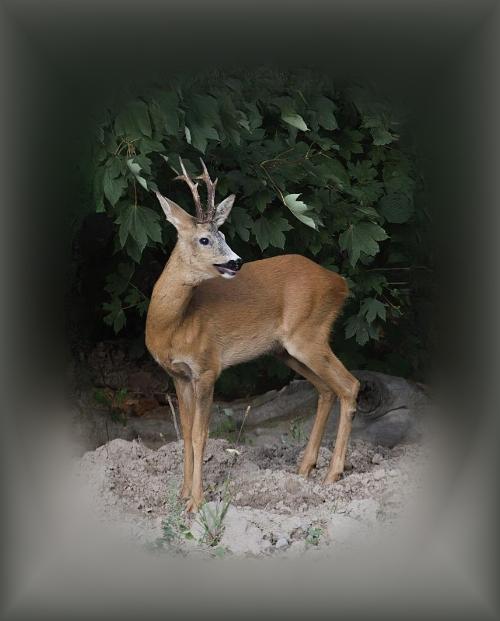
- Roe Deer
- Fallow Deer
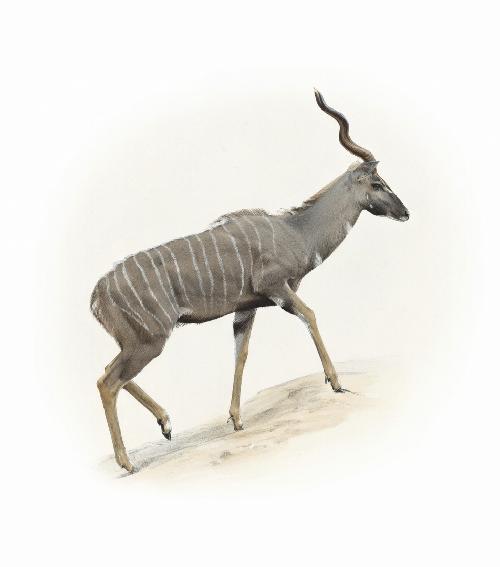
- Lesser Kudu
- Bullfinch
- Lark
- Peacock
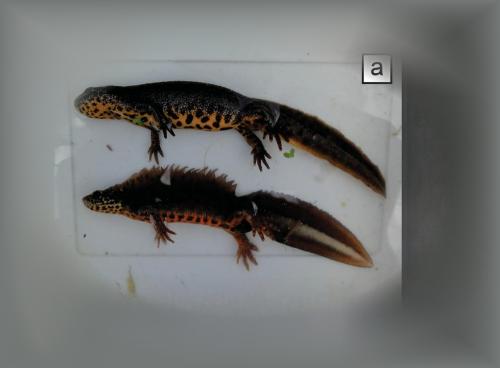
- marbled newt
- southern marbled newt
- Macedonian Crested Newt
- Anatolian Crested Newt
- glow-worm
- Nightingale
- mallard
- yellow-naped amazon
- ring-necked parakeet
- galah
- monk parakeet
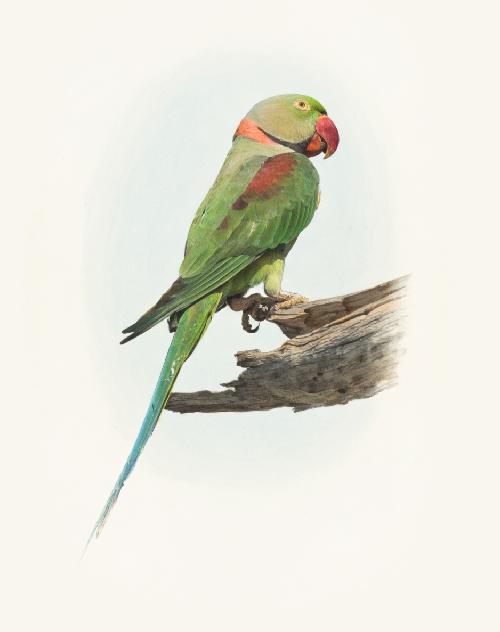
- alexandrine parakeet
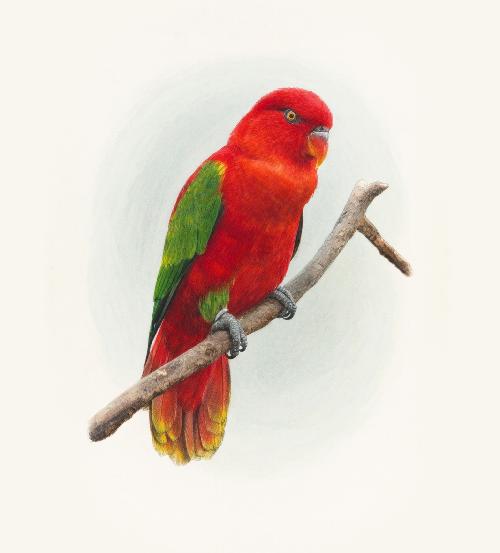
- chattering lory
- coconut lorikeet
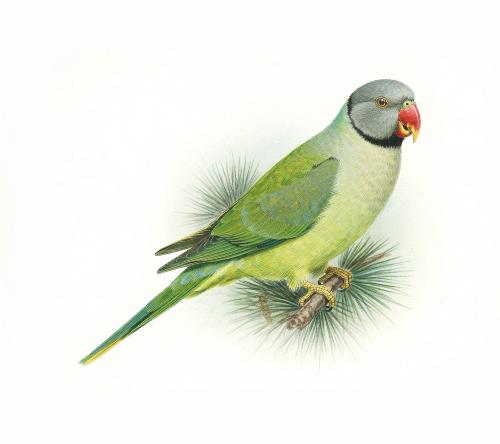
- slaty-headed parakeet
- white cockatoo
- cockatiel
- red-breasted parakeet
Find your most suitable archetypes
Archetypes are facets of personality and behaviour: sometimes a hamster, sometimes a lion. Take a test for yourself, a friend or a pet.