




















The “red-breasted parakeet” archetype
Cultural context
Psittacula alexandri carries the fire of three distant lands in its feathers. South American musicians strike the same quick, bright rhythm that these parrots beat with their wings; African storytellers lean forward when the birds tilt their heads and toss a phrase like a polished stone; Australian elders recognize in their tight, wheeling flocks the same close attention that keeps a camp in tune. Light pours across their green throats, then slides away when they turn, and the sound of their talk lingers in the air like the last note of a plucked string.
Scales
The tradition sees a creature that moves toward whatever shines. Its eye lingers on balanced lines and clean edges, turning any branch into a stage for color. Company draws it forward; it steps into new circles as naturally as daylight fills a room, yet it leaves when the talk turns shallow. Thought runs deep, cutting through chatter to the grain beneath; change is greeted with quick feet and an open beak. Laughter rises easily, but so does a quiet search for something that will not fade, and fairness keeps its voice from turning sharp. It stands on its own branch, yet stays within the flock’s sight.
Strong traits
Brightness throws the first spark. A single afro-Asian ring-necked parrot lands on a rail and the morning feels altered, the air lighter, the people below more awake. Eloquence follows like a second wing-beat; the bird strings words into loops of sound that draw listeners closer, each phrase polished until it gleams. Sociability keeps the flock in motion, calls criss-crossing the canopy, yet too many calls in one day can thin the singer’s own strength and leave it perched apart, eyes half-closed.
Noticeable traits
Wisdom sits behind the quick replies. The parrot watches storms pass, then chooses its next perch with the patience of a leaf turning in a slow current. Noisiness fills the gap between thought and flight; the same voice that unites the flock can also shred the quiet needed for rest, scattering others the way sudden wind scatters dust.
How to be around
To live near an afro-Asian ring-necked parrot is to keep one hand open and one eye on the clock. Offer color, give room for talk, and remember that even the brightest voice needs a shaded branch when the light grows too strong.
With a woman
A woman who carries the parrot’s brightness gathers people the way morning gathers light on leaves. Her energy turns an ordinary table into a place where colors feel sharper and laughter rises without effort; yet the same light can tire her and stir quiet envy in slower friends. Notice the moment her voice lifts a little higher than the room requires, then place a single, well-chosen object beside her—a polished stone or a painted cup—so her eye rests on beauty instead of racing onward. The gesture lets her shine without drawing every gaze to herself.
With a man
A man with the same eloquence can shape an evening with a single well-turned story, and others lean in. He enjoys the current he creates, but the habit can slide into steering others toward his own view. When the talk circles a choice that touches old customs, let him finish the tale first; his loyalty to what has been tried will surface without prompting. Only then offer a short, plain question that leaves the final word in his mouth.
With a teenage boy
A teenage boy who shares the parrot’s sociability moves from group to group like a bright thread through cloth. New faces quicken him, yet the press of constant company can leave him sharp-edged by evening. Invite him into a shared task that needs many hands—an afternoon clearing a garden or painting a fence—then step aside once the rhythm is set. The work gives him company without demanding that he stay in the center of it.
With a teenage girl
A teenage girl whose wisdom shows early watches the edges of a quarrel before others notice them. She weighs words, holds still, and waits for the right moment. When the moment arrives she speaks with a calm that can surprise louder friends. Give her time to finish the thought; if the decision feels rushed, she will fold her wings and choose silence. A single, unhurried question asked after the others have spoken draws out the careful answer she has already formed.
With a child
A child with the parrot’s noisiness fills a room the way sudden rain fills a tin roof—quick, bright, impossible to ignore. Stories tumble out between bites of fruit, and every game becomes a chorus. Let the chorus rise, then place a soft drum or a length of colored ribbon in reach; the child’s voice finds a partner instead of growing louder to fill the quiet that never comes.
With an animal
An animal whose days are shaped by the search for an inner order will choose the same perch each dusk, facing the last light. It resists being moved simply because the flock has shifted. Keep its cage or corner unchanged for several days; the familiar angle of branch and shadow lets it settle, and only then will it accept a new toy or a stranger’s hand.
After a quarrel
Psittacula alexandri answers most quickly to any hint that its word has been doubted or its effort belittled. A woman will draw herself taller, voice suddenly even, when someone questions the fairness of a shared plan. A man squares his shoulders and answers with extra precision if his strength is treated as mere show. A teenage boy meets the same slight with a sudden burst of motion—wings or fists—while a teenage girl folds her silence around the hurt like a second skin. A child stops mid-story, eyes wide, if laughter turns mocking. An animal grips the perch harder, crest rising, when a hand reaches too soon into its space.
How to befriend
Psittacula alexandri trusts those who keep their own hours and finish what they start. A woman warms when her careful lists are left untouched and her word is taken as final on small matters. A man stays close to anyone who arrives at the agreed time and speaks without flourish. A teenage boy offers the next task once he sees you finish the first without reminders. A teenage girl lets her guard drop after you wait through her pauses. A child brings treasures to the one who answers every story with one of equal length. An animal returns to the same hand once that hand has learned the exact rhythm of its morning stretch.
Similar archetypes
Close facets: images with a similar set of qualities.
- yellow-naped amazon
- ring-necked parakeet
- galah
- monk parakeet
- alexandrine parakeet
- chattering lory
- coconut lorikeet
- slaty-headed parakeet
Complete opposite
The opposite facet: images whose qualities point the other way.
- Cockroach (domestic, red)
- somali ostrich
- common european toad
- Bed bug
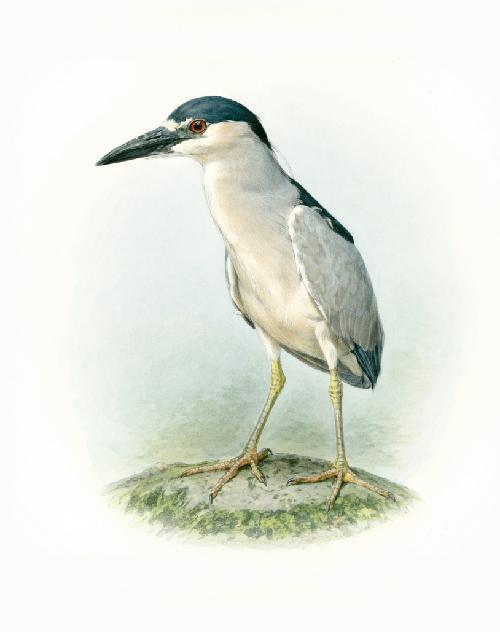
- black-crowned night heron
- Human Flea
- Dog Flea
- Oriental Rat Flea
- Hen Flea
- Northern Rat Flea
- chigoe flea
- Hedgehog Flea
- new zealand bat flea
- Martin Flea
- cat flea
- Ceratophyllus farreni
- Chaffinch Flea
- Rabbit Flea
- Mouse Flea
- sticktight flea
- Squirrel Flea
- Sparrow Flea
- Amalaraeus dissimilis
- Northern Flea
- Ceratophyllus chasteli
Find your most suitable archetypes
Archetypes are facets of personality and behaviour: sometimes a hamster, sometimes a lion. Take a test for yourself, a friend or a pet.