










The “Tarantula (South Russian and others)” archetype
Cultural context
In the European tradition the tarantula wolf spider is first of all the spider of Apulia, in southern Italy, where it gave its name to an entire folk ailment. Villagers believed its bite brought gloom, fever and a wild urge to dance, and the cure was music: fiddlers and tambourine players kept going for hours, sometimes days, until the victim danced the poison out. From that practice grew the tarantella. People feared the spider, yet they never treated it as pure evil. They sang about it, held rites around its victims, and turned its bite into a strange sort of festival. In the folk mind it stands on the border between sickness and ecstasy, a small hunter that can lay a grown man low and then, by some odd bargain, set a whole village moving to the sound of violins until the sun comes up again.
Scales
The wolf spider of this tradition is cunning, grasping and quite sure the world owes it a living. It argues, digs in its heels, and looks after itself before anybody else. And yet it is far from dull. It feels drawn to whatever is forbidden, hunts for meaning in odd corners, and welcomes the unknown with open arms. Old customs mean little to it; it snaps those threads without a pang and goes its own way. Strangely, it also senses other people's moods with a delicate touch, even though it often trails behind someone stronger instead of choosing its own road. That blend of sensitivity and sharp teeth is exactly what makes it so hard to read.
Strong traits
Treachery, menace, spite and a cannibal streak make up the core of this creature. It deceives when frightened, and it unsettles others simply by being there, so that rooms go quiet when it enters. Its spite guards its territory and jolts into motion people who had grown comfortable. The cannibal side is a cold economy of survival: whatever is useful gets consumed and put to work, and nothing is wasted. These qualities sharpen other people's instincts and keep rivals at a distance. The price is isolation, because a being that spreads fear usually ends up dining alone, in a silence of its own making. Even so, the same menace works as a warning bell for everyone nearby, and that is no small service.
How to be around
What does it take to live beside a tarantula wolf spider? Start by dropping any hope of charming it. Politeness slides off; it listens to what you do, not what you say. Keep your word in small things, say plainly what you want, and admit your own mistakes before it finds them. Such a creature is a bad enemy but a loyal ally, and it takes real pride in never being fooled twice, so there is no use in trying a second time. Earn its trust slowly, one small kept promise at a time.
With a woman
A woman-wolf spider hates being managed, so ask her for something concrete and let her choose how to deliver it. Tell her what you need by Thursday, then step back and see what she builds. She enjoys being handed a puzzle, and she will repay an honest request with an elegant solution and, usually, an unexpected piece of information you had not thought to ask for. Never read her messages or open her drawers; she will know, and she will remember it for years.
With a man
Hand a man-wolf spider the tools, the maps and a quiet workshop, and he will come back with a plan nobody else had seen. Praise the result with a specific detail, such as the clever shortcut or the hidden flaw he caught. He distrusts speeches, but a nod over a finished job reaches him, and a shared joke about his own caution reaches him even faster. Ask for his reading of a risky deal, and he will happily explain where the trap lies.
With a teenage boy
A teenage boy-wolf spider tests every rule to see what is behind it. Rather than forbid something, explain the reason in a single sentence and let him argue with it. Give him a corner of the house that is truly his, with a door, and knock before you enter. He keeps a surprising amount of loyalty for adults who treat him as someone with a mind of his own. Ask him to teach you something, a game or a shortcut, and watch him straighten up.
With a teenage girl
A teenage girl-wolf spider notices everything and says only half of it. Ask her what she thinks of a book, a film, a neighbour, and listen with real curiosity, since she can spot flattery from across the room. Trust her with something that matters: a key, a family secret, a decision about the weekend. Being taken seriously is the only compliment she believes. If she goes quiet, leave a cup of tea outside her door and walk away without comment.
With a child
A child-wolf spider needs a den. Build a blanket fort, clear a shelf, clip a lamp to a cardboard box, and declare it off limits to siblings. Inside, he will count his treasures and rehearse his schemes. When he emerges with a plan to trade two crayons for one marble, praise the negotiating instead of lecturing him about sharing.
With an animal
An animal-wolf spider wants a burrow with a narrow mouth, a layer of soil it can dig, and a view of the doorway. Offer live prey at dusk, a little at a time, and hold perfectly still while it decides. Tap lightly on the glass before opening the lid, so that the sudden shadow of your hand is not mistaken for a hawk overhead. A spider that trusts the lid will come to the edge and take food in plain view.
After a quarrel
To quarrel with a tarantula or get under its skin, demand obedience and then be caught in a lie. It is hard to say which hurts more, the lie or the demand. A woman turns icy when her cunning is called greed, a man when his plan is overridden, a teenage boy when his odd interests are mocked, a teenage girl when her confidences are passed around, a child when his hoard is raided. The animal bristles when its burrow is wrecked. After any of these, expect a long silence, followed by a bite you did not see coming. Apologies help only if they name the exact offence.
How to befriend
To befriend a tarantula or win it over, do not try to coax it out of the shadows. Go there yourself and talk about what both of you find strange and unexplained. A woman is won by candour, a man by joint work, a teenage boy by a shared secret, a teenage girl by attention to her feelings, a child by playing under his rules. A pet warms to the one who arrives on time and moves slowly. A dark friend is a dependable one: once it has let you in, it guards you like part of its own den. Bring it a story it has not heard, and it will repay you with ten of its own.
Similar archetypes
Close facets: images with a similar set of qualities.
- Brown recluse spider
- false bat
- common pipistrelle
- pygmy pipistrelle
- common pipistrelle
- serotine
- natterers bat
- brandt's bat
Complete opposite
The opposite facet: images whose qualities point the other way.
- Chamois
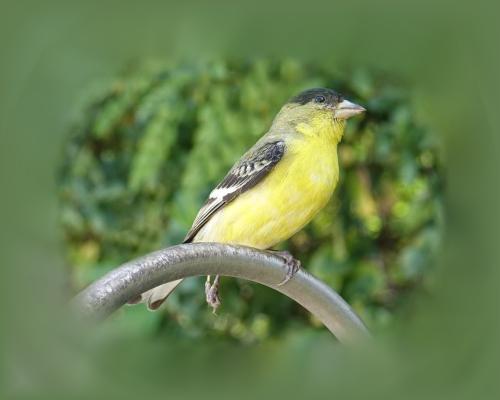
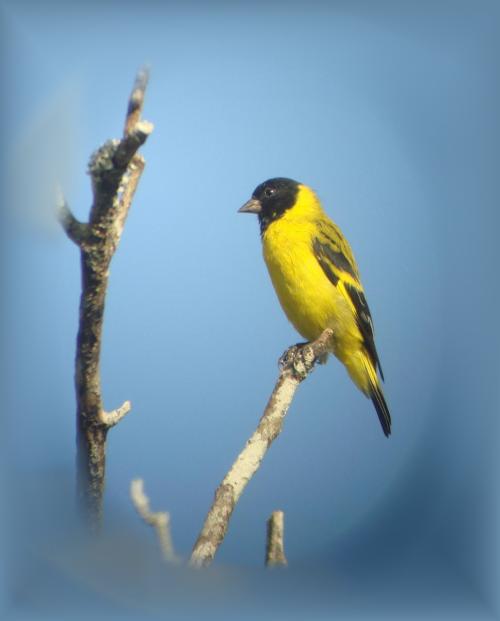
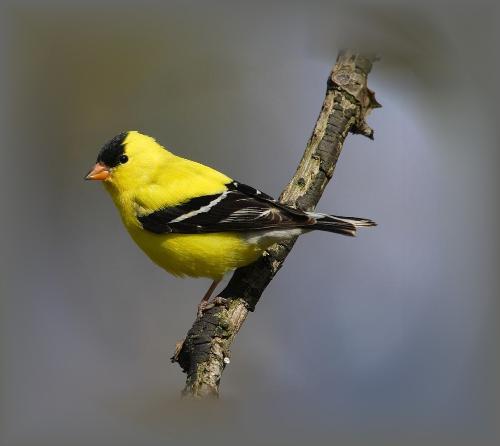
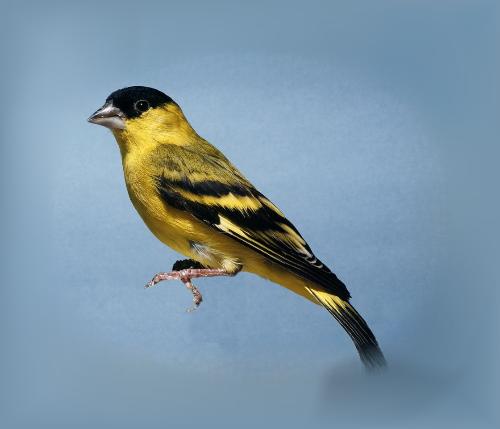
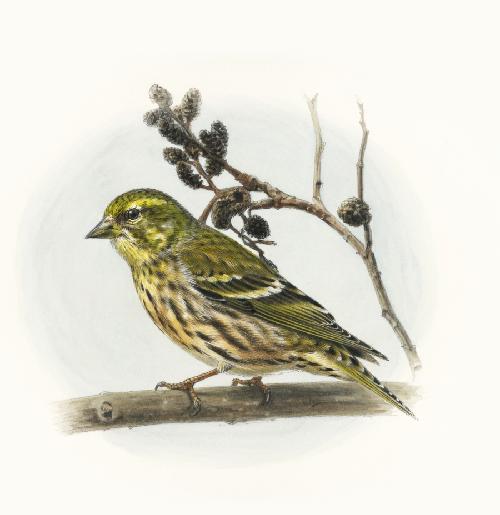
- eurasian siskin
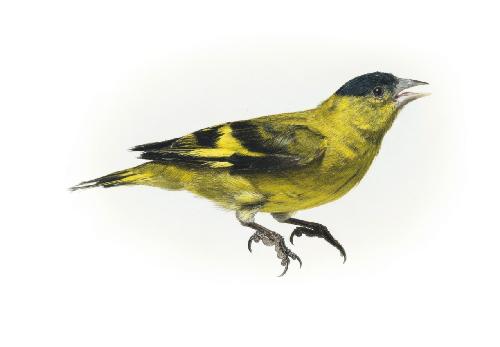
- Black-headed Siskin
- olivaceous siskin
- eurasian siskin
- eurasian siskin
- eurasian siskin
- eurasian siskin
- eurasian siskin
- eurasian siskin
- eurasian siskin
- hooded siskin
- eurasian siskin
- tibetan serin
- andean siskin
- yellow-bellied siskin
- saffron siskin
- lawrence's goldfinch
- wild boar
- Duck
- Pelican
- common rorqual
- brown lipped snail
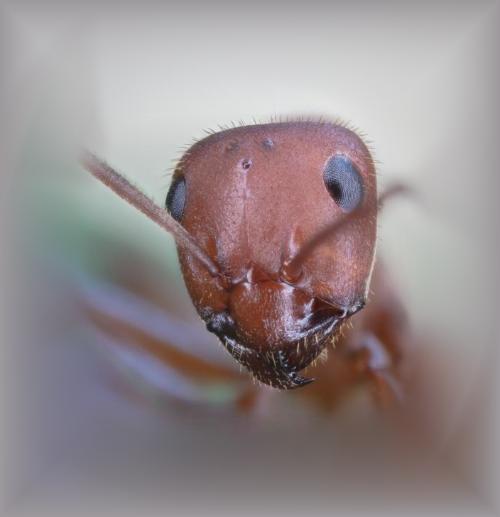
- red wood ant
- Panda
- mallard
- Pheasant
Traits and their opposites
Each trait of this archetype — and what is opposite to it.
- Harmfulness ↔ Benevolence
Find your most suitable archetypes
Archetypes are facets of personality and behaviour: sometimes a hamster, sometimes a lion. Take a test for yourself, a friend or a pet.