


















The “Acrida willemsei” archetype
Cultural context
In Chinese tradition the Acrida willemsei becomes a living emblem of the leap that lifts a whole field. One moment it clings to the stalk like a bead of dew, the next it vaults above the tassels and lands far ahead, a bright arc against the sky. Farmers and poets alike read this sudden, straight ascent as an image of leadership earned by clear purpose rather than by cunning or ceremony. The insect’s wings flash once, then fold again; its path shows no wavering line, only the single decision to rise, and the land beneath it seems to shift upward as well. Such an image carries weight in stories of governance and duty: the true ruler does not negotiate the climb, but simply leaves the ground when the moment demands it, carrying others with the force of that single, unembellished motion.
Scales
Within the same tradition the grasshopper’s leap mirrors a life balanced between elevation and gravity. Prestige draws it skyward, yet an inner hunger for meaning keeps it tethered to the soil it leaves. Among companions it moves with confident ease, wings ticking like small castanets, yet it also rests alone on a single stem, tasting silence. Thought turns the jump into strategy, while endurance lets the body repeat the effort until the stalk bends. Order rules its daily patrols, and fairness governs the space it claims; rebellion flickers only when the wind changes, and then the leap veers, a brief refusal before the steady rhythm returns.
Strong traits
Honesty and wisdom mark every measured spring of the Acrida willemsei. It lands where it aims, never promising a perch it cannot reach, and the field trusts that straight arrival. When the stalk trembles, the insect waits, letting the tremor speak before it commits its strength again. That pause is no hesitation but a reading of wind, weight, and timing. Should another hopper crowd its stem, it states its place without flourish and without retreat, letting the plain fact of its presence settle the matter. The same clarity that slices through chatter also keeps it from leaping until the ground beneath feels true.
Noticeable traits
Courage, dominance and a glancing quickness color the next tier of its nature. At the first tremor of danger it springs between the threat and the weaker stems, wings slicing the air like a green blade. Once the field settles, it stations itself on the tallest stalk, arranging neighbors by silent example rather than decree. Yet its attention skims across tasks; a sudden glint of sun may pull it to another stem before the first arrangement is complete, leaving a half-finished order that tomorrow may rearrange again.
How to be around
To move beside the Acrida willemsei, offer a clear target and then step back. State the stalk you wish it to reach, keep your own motions spare, and let the insect measure wind and distance for itself.
With a woman
When speaking with a woman who carries this rhythm, place the day’s task before her without preamble and trust her to name the precise moment she will leap. If she answers with fewer words than expected, accept the brevity as the same directness that clears a crowded stalk; later, when the work stands finished, name the steadiness she showed rather than the height she reached.
With a man
A man of the same cast prefers questions that open onto the core of a problem. Ask once what the field needs, then wait while he listens for the hidden balance between stalk and sky. Should his answer come slowly, remember that the pause is not retreat but the gathering of weight before the decisive spring.
With a teenage boy
A teenage boy moves fastest when the challenge carries an audience. Set a short course across open ground, then stand where others can see; his leap will carry extra lift from their watching eyes, and the shared risk will bind him to the group without any spoken rule.
With a teenage girl
A teenage girl arranges her own circle of stems before she jumps. Let her decide the order of tasks, even when the sequence seems odd; once the pattern is set she will hold it, and any public correction risks snapping the fragile geometry she has made.
With a child
A child tests each new stem with a single quick touch, then darts elsewhere. Place several safe stalks within reach and let the choice remain theirs; when they settle, notice the tidy row they have left behind rather than the distance they covered.
With an animal
An animal of this species claims its stem at dawn and returns to it at dusk. Leave the chosen perch undisturbed; if it explores a neighboring blade, watch without touching, for the next leap may carry it farther than yesterday once the unfamiliar angle feels safe.
After a quarrel
To set the Acrida willemsei against you, interrupt the single line of its jump. A woman will flare when her word is doubted in the presence of others; a man withdraws when the meaning he seeks is dismissed as impractical. A teenage boy answers any sudden shove with a harder spring that may overshoot its mark. A teenage girl turns cold when her careful arrangement of tasks is scattered without consent. A child stops mid-leap if the next stem is snatched away before its foot leaves the first. An animal strikes when its daily circuit is broken by an unfamiliar hand.
How to befriend
To earn its trust, arrive at the stem it already knows and wait for the next leap to begin. A woman values the friend who keeps a promise without reminder; a man opens when the question you bring mirrors the one he already carries. A teenage boy stays near if the next challenge is offered without spectacle. A teenage girl accepts company once her order of stems is acknowledged. A child draws closer when the choice of play remains its own. An animal settles when the same quiet hand returns at the same hour each day.
Similar archetypes
Close facets: images with a similar set of qualities.
- Hungarian grasshopper
- Two-colored grasshopper
- Pointed-headed Grasshopper
- Grey Bird Grasshopper
- Acrida exaltata
- Acrida turrita
- Acrida
- Mediterranean Slant-faced Grasshopper
Complete opposite
The opposite facet: images whose qualities point the other way.
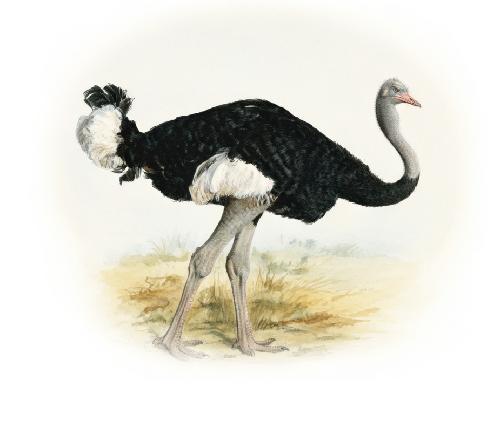
- somali ostrich
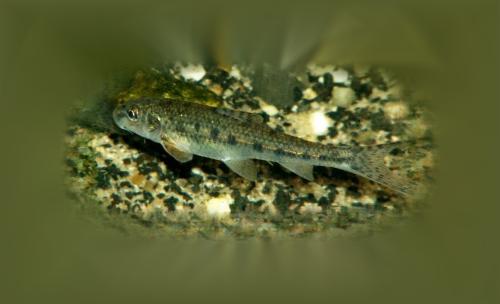
- Gudgeon
- Cockroach (domestic, red)
- Human Flea
- Dog Flea
- Oriental Rat Flea
- Hen Flea
- Northern Rat Flea
- chigoe flea
- Hedgehog Flea
- new zealand bat flea
- Martin Flea
- cat flea
- Ceratophyllus farreni
- Chaffinch Flea
- Rabbit Flea
- Mouse Flea
- sticktight flea
- Squirrel Flea
- Sparrow Flea
- Amalaraeus dissimilis
- Northern Flea
- Ceratophyllus chasteli
- Golden Jackal
- Sheep
- wild boar
Find your most suitable archetypes
Archetypes are facets of personality and behaviour: sometimes a hamster, sometimes a lion. Take a test for yourself, a friend or a pet.