







The “pygmy pipistrelle” archetype
Cultural context
Across European nights the common pipistrelle slips like a living whisper between roofs and tree canopies, its small shape etched against moon-silvered stone. Folk once traced its darting flights with unease, reading in the velvet rustle of wings an omen that could darken a household or steady a vigil. The creature’s ability to thread darkness with unseen threads became, in old stories, a silent pact with what the eye cannot hold, and every shuttered barn or chapel loft still carries that remembered chill.
Scales
In that same tradition the common pipistrelle is drawn toward the edge of what must not be spoken, drawn by a sharp sense of the forbidden and the hidden. At the same time it searches, wing-beat by wing-beat, for a thread that binds it to something larger than the night air. Loyalty flickers beside detachment, self-regard beside the wish to be part of a circle, and the creature keeps its counsel, neither wholly with nor wholly against the world it patrols.
Core traits
Baseness runs through the common pipistrelle like a low current of frost. It moves from a quiet dread of being left bare, a dread that pushes it to weave small deceits and sudden betrayals so the risk falls elsewhere. Yet each misstep leaves a trace of doubt, and that doubt can turn the creature back toward the harder path of keeping its word even when no one watches.
Strong traits
Night itself seems to sharpen the common pipistrelle’s senses, letting it work while the rest of the world sleeps and think clearest when silence thickens. That same darkness throws a long shadow ahead of it, so others feel a tremor before anything has happened. Skilled at guiding the currents of fear and favour, the pipistrelle can steer a group away from danger or, just as quickly, close a chapter of its own making when the hour feels right.
Noticeable traits
The common pipistrelle reads the air with its own returning calls, testing each surface before it trusts it, yet the constant checking leaves it weary and slow to believe. Plans shift with the breeze; a route taken at dusk may be abandoned by moonrise, and companions are left wondering which promise will last until morning.
How to be around
Approach the common pipistrelle with a steady lamp and a still tongue. Wait until the air has settled, then offer a single clear fact rather than a flurry of questions, letting its own signals decide whether the space is safe.
With a woman
A woman who carries the pipistrelle’s caution will test every offer twice, once for hidden cost and once for hidden gain. Speak plainly about what you stand to win or lose, and leave her free to choose the hour of her answer; any pressure only tightens the knot of suspicion she already carries.
With a man
A man much like the pipistrelle keeps his sharpest thoughts for the hour when others have turned in. Sit with him in that late quiet, name the boundary he has drawn around a memory or a plan, and do not ask him to cross it before the light returns.
With a teenage boy
A teenage boy who shares the pipistrelle’s watchfulness will stand at the edge of a circle, measuring exits before he steps inside. Ask what he has already noticed about the room, then let the answer stand without adding your own reading; the invitation to speak is enough to loosen his guarded stance.
With a teenage girl
A teenage girl who moves with the pipistrelle’s quick attention will catch the smallest change in tone or posture around her. Give her a single thread of information that matters to the group and ask what she makes of it; the chance to steer without being steered builds her trust faster than any promise of safety.
With a child
A child who carries the pipistrelle’s sense of endings may suddenly leave a game half-finished when the mood shifts. Keep an open corner ready for the next beginning, and let the child decide when the old game is truly done; nothing restarts the play more surely than that quiet permission.
With an animal
An animal pipistrelle will circle a new perch several times, sending out soft clicks before it settles. Place the chosen hook or ledge where it can test the echoes undisturbed, and step back; the creature will return when its own map feels complete.
After a quarrel
The common pipistrelle changes course the moment a plan begins to feel fixed, and the sudden turn can leave others stranded mid-step. A woman will withdraw the moment another voice claims her timetable as common property. A man takes offence when daylight crowds the careful dark he needs for decisions. A teenage boy retreats further into silence if laughter follows his first, hesitant suggestion. A teenage girl bristles when her reading of a situation is brushed aside as mood. A child drops the whole game if someone else moves the pieces without asking. An animal pipistrelle will strike or vanish if its chosen roost is claimed without warning.
How to befriend
The common pipistrelle warms to anyone who treats its private map as worth preserving. A woman draws nearer when her private reckonings are left untouched and only the result is acknowledged. A man stays close if the conversation waits for the hour he prefers. A teenage boy opens when his observations are heard once and then left to ripen. A teenage girl stays if the group lets her rearrange the seating without comment. A child returns if the space is kept ready without being rearranged. An animal pipistrelle accepts a second perch only after the first remains exactly as it left it.
Similar archetypes
Close facets: images with a similar set of qualities.
- false bat
- common pipistrelle
- common pipistrelle
- serotine
- natterers bat
- brandt's bat
- common bentwing bat
- mouse-eared bat
Complete opposite
The opposite facet: images whose qualities point the other way.
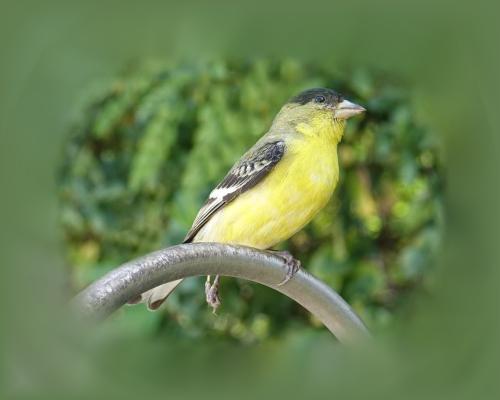
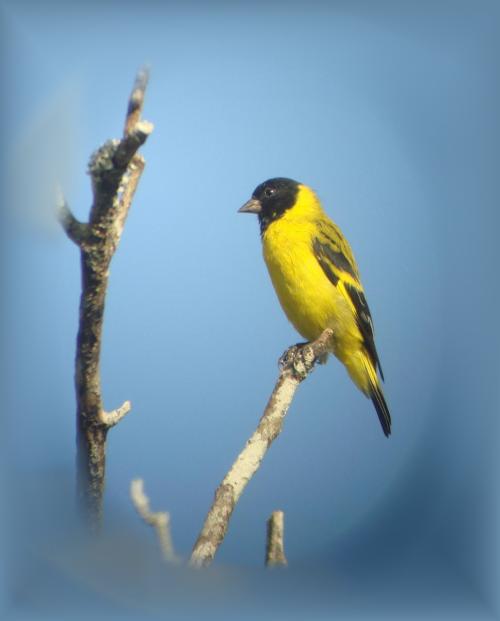
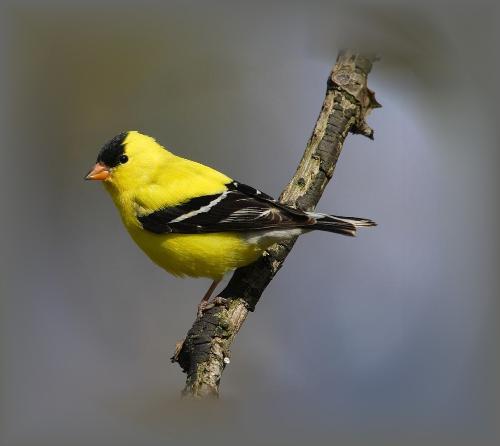
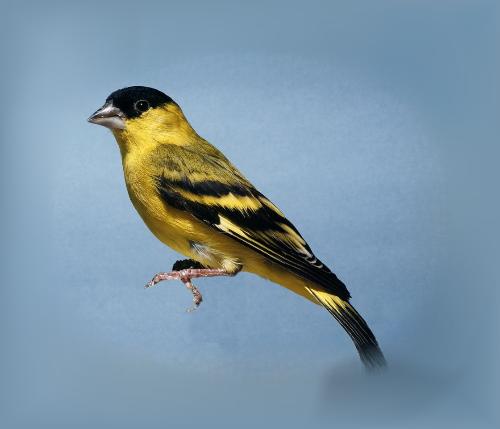
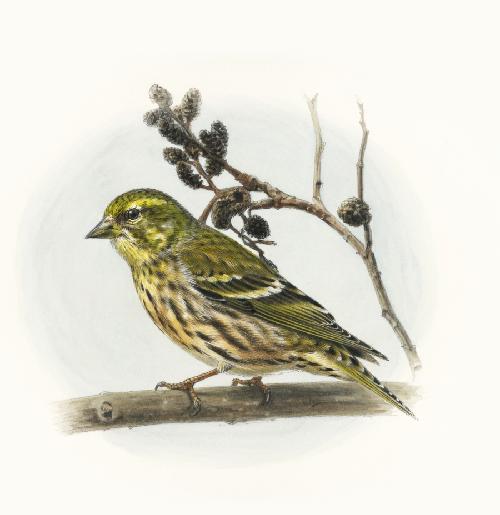
- eurasian siskin
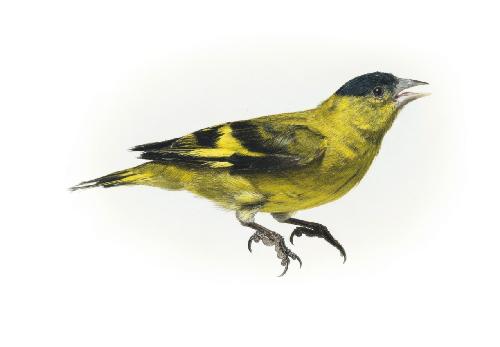
- Black-headed Siskin
- olivaceous siskin
- eurasian siskin
- eurasian siskin
- eurasian siskin
- eurasian siskin
- eurasian siskin
- eurasian siskin
- eurasian siskin
- hooded siskin
- eurasian siskin
- tibetan serin
- andean siskin
- yellow-bellied siskin
- saffron siskin
- lawrence's goldfinch
Traits and their opposites
Each trait of this archetype — and what is opposite to it.
- Nocturnal Essence ↔ Diurnal Essence
Find your most suitable archetypes
Archetypes are facets of personality and behaviour: sometimes a hamster, sometimes a lion. Take a test for yourself, a friend or a pet.