










The “serotine” archetype
Cultural context
Across European fields and under vaulted roofs, the serotine bat moves like a black thread stitched into dusk. Villagers once heard the soft thrum of its wings above haystacks and barns, and the sound carried the hush of unspoken knowledge. Its silhouette crossing a moonlit lane seemed less a creature than a moving shadow that knew every crack in the wall and every secret held within. Stories kept the memory of this night traveller who slipped between rafters and eaves, carrying nothing yet changing the air it passed through.
Scales
European tradition sees the serotine bat as someone who walks the line between reverence and suspicion. It senses what must remain untouched, yet its own habits stray from the common path. The same creature that once kept rafters safe now seems to weigh every gesture for advantage, revealing both a hunger for hidden meaning and a preference for solitary calculation. In the old tales it never shouts its loyalty; it simply keeps returning to the same darkened beam, leaving others to guess how much it really shares.
Core traits
At its core the serotine bat carries an edge of baseness, a readiness to slip away when danger thickens. Fear tightens its grip on the wings, and in that moment it may leave a companion exposed or twist the truth to save itself. Yet the same impulse teaches it, slowly, how costly such turns become. Out of the sting of broken trust grows a harder, clearer honesty that can no longer be traded away.
Strong traits
At night the serotine bat sharpens its mind while the world sleeps, reading currents of air that others never feel. Its presence carries an unspoken weight, a warning that some places are safer left undisturbed. With patient calculation it can steer events from the shadows, guiding or bending others to its will. At the same time it accepts that every flight ends somewhere, and endings, for it, are simply the start of another dark passage.
Noticeable traits
Its own voice bounces back from every wall, turning silence into a map. This constant listening keeps the serotine bat safe yet weary, never quite sure whether the echo lies. Plans shift with the wind; a route taken yesterday may be abandoned before dawn, and promises made in one rafter may be forgotten in the next. Such quick changes let it survive sudden storms, though they leave companions uncertain where the next landing will be.
How to be around
Approach the serotine bat with steady silence rather than bright chatter. Let your steps be measured, your questions short. In that quiet it will begin to read you as carefully as it reads the night air, deciding whether you can be trusted with its hidden routes.
With a woman
A woman shaped like the serotine bat keeps one ear on every shifting motive around her. When fear rises she may guard her own interests first, yet she remembers who stayed when the light thinned. Offer her a clear account of the situation without dressing it in flattery, and she will weigh your words against the quiet ledger she keeps. If she senses true steadiness she will answer in kind, turning past wariness into a cautious, earned alliance.
With a man
A man who carries the serotine bat’s rhythm works best after others have gone to bed. He guards certain thresholds as if they were sacred ground and resents any careless step across them. Sit beside him in the late hours, speak little, and share only what the moment truly requires. He will notice the restraint and answer with the same measured respect, letting the conversation unfold in its own unhurried time.
With a teenage boy
A teenage boy with the serotine bat’s caution will freeze if he feels watched too closely. He senses every change in the room the way wings read a current of air, and sudden attention can send him retreating to the edge of the group. Give him space to watch from the rafters, then ask a single quiet question about what he has already noticed. The answer may arrive slowly, but it will be honest once trust settles.
With a teenage girl
A teenage girl who moves like the serotine bat reads every hidden intention before it is spoken. She can steer a conversation with the lightest word, yet she bristles if anyone tries to steer her in return. Let her choose the pace and the topic; when she senses no attempt to corner her, she will sometimes offer guidance instead of resistance, turning her sharp eye into a steadying hand for those around her.
With a child
A child touched by the serotine bat’s sense of endings may suddenly drop a game that once delighted them. They feel the turning of seasons inside small things and sometimes close a chapter too soon. Sit with them while they sort their scattered toys, and do not rush to restore the old pattern. In that quiet company they learn that endings can be tended rather than feared.
With an animal
An animal-serotine bat maps its cage by the bounce of its own small calls, checking every corner again and again. It may startle if a hand appears without warning, yet it answers to a voice that stays low and steady. Place a familiar cloth near its roost and let the echo become part of its nightly round. Over time the animal learns to trust the pattern rather than flee from every new sound.
After a quarrel
The serotine bat changes direction without ceremony, leaving others to adjust mid-flight. A woman may suddenly withdraw help she once offered, citing some fresh demand only she can meet. A man will question a plan already in motion, forcing everyone to pause while he recalculates. A teenage boy may vanish from a group without explanation, returning days later as though nothing had shifted. A teenage girl will switch loyalties overnight, citing some newly discovered slight. A child can abandon a project the moment it grows difficult, leaving tools scattered where the work stopped. An animal will stop its usual patrol without notice, leaving the space oddly empty until its route resumes.
How to befriend
The serotine bat keeps its own counsel yet responds to anyone who respects the boundary between light and shadow. A woman warms to steady presence rather than sudden praise, especially when that presence asks nothing in return. A man values a listener who can sit through long silences without needing to fill them. A teenage boy draws closer when his sudden retreats are met with patience instead of pursuit. A teenage girl opens up once she sees that her shifting opinions will not be used against her. A child feels safer when endings are treated as ordinary rather than failures. An animal learns trust through repeated, predictable gestures that never demand more than it chooses to give.
Similar archetypes
Close facets: images with a similar set of qualities.
- false bat
- common pipistrelle
- pygmy pipistrelle
- common pipistrelle
- natterers bat
- brandt's bat
- common bentwing bat
- mouse-eared bat
Complete opposite
The opposite facet: images whose qualities point the other way.
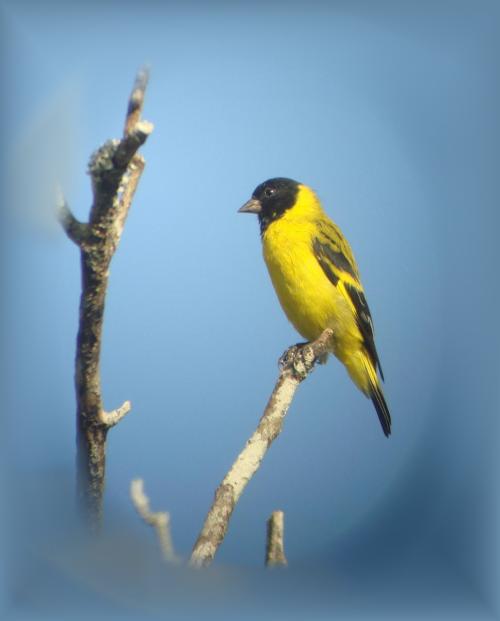
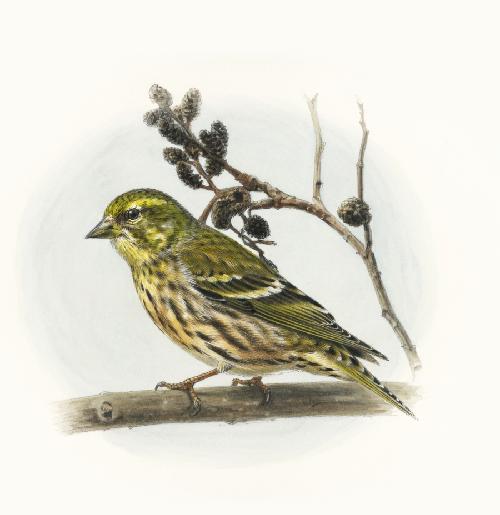
- eurasian siskin
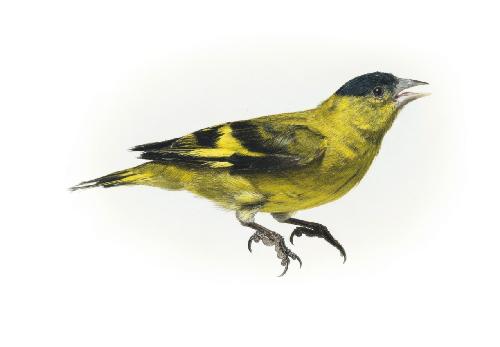
- Black-headed Siskin
- olivaceous siskin
- eurasian siskin
- eurasian siskin
- eurasian siskin
- eurasian siskin
- eurasian siskin
- eurasian siskin
- eurasian siskin
- hooded siskin
- eurasian siskin
- tibetan serin
- andean siskin
- yellow-bellied siskin
- saffron siskin
- lawrence's goldfinch
Traits and their opposites
Each trait of this archetype — and what is opposite to it.
- Nocturnal Essence ↔ Diurnal Essence
Find your most suitable archetypes
Archetypes are facets of personality and behaviour: sometimes a hamster, sometimes a lion. Take a test for yourself, a friend or a pet.