







The “natterers bat” archetype
Cultural context
In European dusk the mouse-eared bat slips through crumbling belfries like a velvet ribbon of night, carrying with it the hush that falls before thunder. Villagers once read the creature’s soft-winged passage as a living ledger of secrets: the flicker of lantern light behind shutters, the whispered names traded across market stalls, the rustle of parchment in forgotten archives. Its image flickers on church frescoes and tavern beams alike, a brushstroke of shadow that marks the threshold between the day’s gossip and the night’s counsel. Stories picture the bat not as villain but as keeper of the threshold, the one who witnesses what daylight never reaches and never betrays it, so long as the roost remains inviolate.
Scales
Tradition sketches the mouse-eared bat as a creature balanced on the knife-edge between reverence and suspicion. It prizes the hush of hidden knowledge, the fragrance of incense still clinging to rafters, yet it yields no worship to yesterday’s forms; each new night rewrites its route through the rafters. The bat probes every echo for meaning, turning a simple flutter of wings into an intricate argument with the dark, yet its thoughts remain private, never paraded like flags. It keeps to itself, drawing near only when the roost feels safe, and the same reserve that shields it from idle talk also leaves it watching from the rafters while the world below argues and dances.
Core traits
Beneath the velvet fur lies a tremor born of fear, a low-bellied instinct that whispers of worthlessness and prompts the bat to hoard information like a miser hoards coin. When trust cracks, it slips away on a current of half-truths, shielding its own pulse first. Yet the same wariness can be turned like a lantern: once the creature learns that daylight still returns after every lie, it begins to test the weight of plain speech, finding that honesty, too, can steady the roost.
Strong traits
Night becomes the bat’s true workshop; while shutters close and voices fade, its ears thread the dark with needle-fine attention, mapping each beam and cobweb before the moon climbs. The very silence it carries can chill a room, making neighbors glance upward as though expecting rain. With that chill it steers the roost’s course, nudging decisions through a glance or the timing of a wing-beat, yet it also knows when to close a chapter: a roost grown unsafe is abandoned without ceremony, the old beams left to the beetles.
Noticeable traits
Each call sent into the rafters returns with the shape of the world, so the bat rarely steps where its own voice has not already drawn the map. The habit saves it from missteps, yet the constant listening leaves it weary, never quite certain whether the next echo will reassure or betray. Plans shift as quickly as the wind under the eaves; one evening the colony crowds the west gable, the next it ghosts through the east, leaving yesterday’s route already forgotten.
How to be around
Approach the mouse-eared bat as you would a ledger written in invisible ink: watch first, speak later, and let the quiet do the heavier part of the conversation. Step into the dusk under the old lime tree where their faint wing-beats sound like pages turning, and you will feel the air stir with citrus-scented leaves while the bats themselves stay just beyond the reach of lantern light, already reading the night before you finish forming your first question.
With a woman
A woman who carries the bat’s wariness will test every offer twice before she accepts it, half-expecting the gift to hide a claim. She reads a careless word the way others read weather signs, so speak plainly and leave no margin for later reinterpretation. When she reveals a skill, name the exact result she achieved rather than the effort she spent; the precision tells her that her competence has been weighed and found genuine, loosening the grip of old fears.
With a man
A man of the same temper prefers the hour after midnight when the house has cooled and the only sound is the tick of cooling beams. He keeps certain thresholds—his notebooks, his routes through the rafters—set apart as sacred ground. Do not cross them with questions; instead, place a single, well-timed observation on the sill and let him decide whether to carry it inside. The respect for that boundary earns more trust than any shared confidence.
With a teenage boy
A teenage boy keeps to the upper corners of any room, eyes flicking toward exits the way a bat’s ears flick toward the next returning echo. His silence can cast a small chill over the table, yet it is also the stillness in which he sorts meanings others rush past. Ask him, once, what he thinks the evening’s undercurrent really was; the question honors both his watchfulness and his private search for a larger pattern, and it rarely meets an immediate answer, which is its own form of reply.
With a teenage girl
A teenage girl notices the glance that passes between two friends before either speaks, and she files it like a wing-note for later use. She will steer a conversation with a single arched phrase if she senses advantage, yet the same quick ear can turn toward protection when someone else is about to be cornered. Offer her a small decision whose outcome matters only to her; when she sees that her steering changes nothing vital, she may lower the guard she keeps for everyone else.
With a child
A child folds away yesterday’s game the moment a new shadow crosses the floor, already building tomorrow’s fort in another corner. He ends one story without ceremony and begins the next before the last toy is put away, leaving adults to gather the pieces. Let the endings stand; when he returns to the same room later, the cleared space will have become the ground for something newer, and the quiet acceptance of that rhythm tells him change need not be guarded against.
With an animal
An animal sends one thin call after another into the rafters, each reply shaping the next flight path with the care of a cartographer. The constant mapping can tire it into sudden stillness, wings folded tight until the next need arises. Place a shallow dish of water where the returning echoes are softest; the small certainty that the map still holds will let it rest without abandoning the roost altogether.
After a quarrel
Quarrel with a mouse-eared bat and the air itself seems to rearrange; accusations arrive not as blows but as sudden changes of route, a wing-beat altered mid-sentence. A woman will pivot to another subject the instant she feels the ground shifting beneath an old agreement, leaving the original dispute to wither in silence. A man will retreat to a darker beam and wait until the room grows still again before he answers. A teenage boy will vanish for an evening, reappearing only when the quarrel has cooled into irrelevance. A teenage girl will offer three contradictory versions of the same event until the listener loses the thread. A child will simply begin a new game in another corner, the quarrel already forgotten in the joy of fresh beginnings. An animal will circle the disputed beam once, then settle elsewhere, its routine unbroken and therefore unanswerable.
How to befriend
To befriend a mouse-eared bat, let the first gestures be as light as the brush of air against a wing. A woman warms when she sees that her private maps are never taken from her; leave her ledgers where she left them. A man answers a single, well-placed question about the rafters he has chosen tonight. A teenage boy stays longer if the room remains half-dark and the talk never turns toward tomorrow. A teenage girl lingers when her quick reading of the room is met with an amused nod rather than correction. A child trusts the person who does not ask why the fort was abandoned mid-construction. An animal settles when the same shallow dish waits in the same place each dusk, a small landmark that needs no explanation.
Similar archetypes
Close facets: images with a similar set of qualities.
- false bat
- common pipistrelle
- pygmy pipistrelle
- common pipistrelle
- serotine
- brandt's bat
- common bentwing bat
- mouse-eared bat
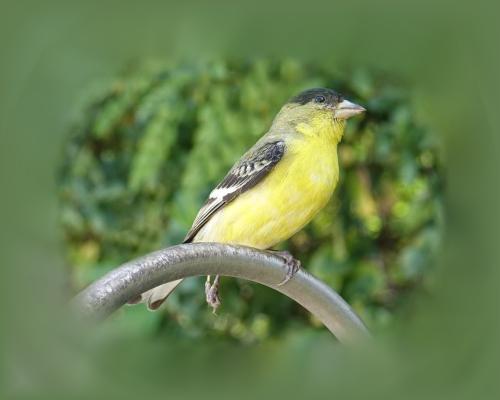
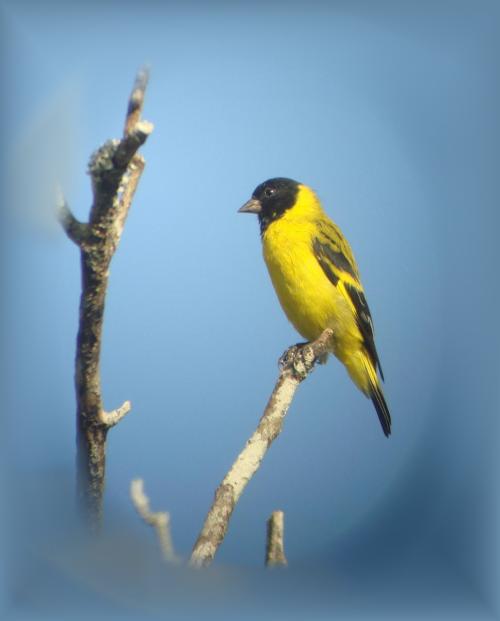
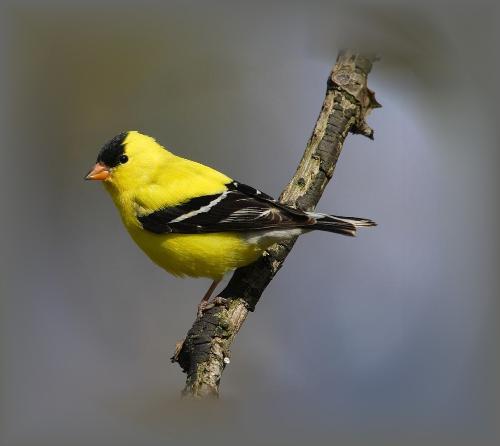
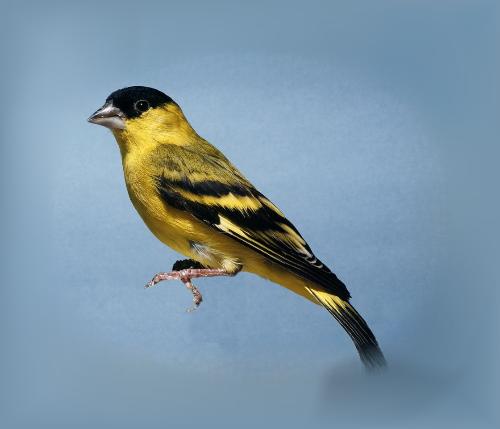
Complete opposite
The opposite facet: images whose qualities point the other way.
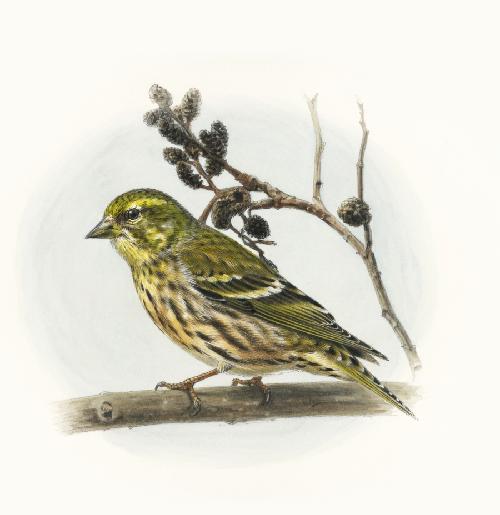
- eurasian siskin
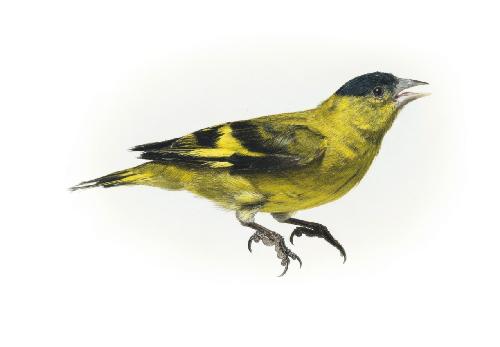
- Black-headed Siskin
- olivaceous siskin
- eurasian siskin
- eurasian siskin
- eurasian siskin
- eurasian siskin
- eurasian siskin
- eurasian siskin
- eurasian siskin
- hooded siskin
- eurasian siskin
- tibetan serin
- andean siskin
- yellow-bellied siskin
- saffron siskin
- lawrence's goldfinch
Traits and their opposites
Each trait of this archetype — and what is opposite to it.
- Nocturnal Essence ↔ Diurnal Essence
Find your most suitable archetypes
Archetypes are facets of personality and behaviour: sometimes a hamster, sometimes a lion. Take a test for yourself, a friend or a pet.