







The “brandt's bat” archetype
Cultural context
Across the shadowed forests of northern Europe the brandt's myotis slips between twilight and midnight like a breath that never fogs a mirror. Villagers once glimpsed it darting under cottage eaves and crossing moonlit clearings, carrying with it the faint scent of cold stone and frostbitten leaves. They whispered that the bat could read the moment when a sick man’s fever would break, or when a quarrel would end in lasting silence, and they marked its flight as a sign that endings are woven into every beginning.
Scales
European lore sees the brandt's myotis as both cunning and hungry for hidden advantage, ready to claim what others overlook. It treats the ordinary as forbidden ground and the forbidden as a territory it alone may tread. Thought runs deep in its silence; it tests every new idea the way it tests an unseen branch before landing. Yet it seldom stands alone for long, preferring to follow the soft rustle of the colony rather than blaze its own trail. Discipline slips through its wings like a breeze through loose shingles, leaving room for sudden departures and unfinished roosts.
Core traits
At the root of the brandt's myotis lies a baseness that feeds on fear. When it senses the colony shifting, it may slip away from danger and leave others exposed, trading trust for momentary safety. The same impulse, however, can turn inward; after the escape the bat sometimes circles back to the same hollow, listening to the echoes of what it nearly betrayed, learning to stay a little longer the next time.
Strong traits
The brandt's myotis keeps its true work for the darkest hours, when every other creature has settled into stillness. In those hours its ears catch the thread of a moth’s wing against bark. The very quiet it needs can draw uneasy glances from daytime neighbours, who read its stillness as a warning rather than rest. It maps the colony’s hidden exits and entrances, guiding stragglers with a touch so light it feels like a draft. Yet that same guidance can end a season abruptly; when the bat decides a roost has served its time, it leads the group away without ceremony, closing one chapter so another can open.
Noticeable traits
The brandt's myotis sends its own voice into the dark and reads the returning shape of the world. Each returning pulse steadies its flight, but the constant listening leaves it weary of any sound it did not send itself. Plans change with every new echo; a branch that looked safe at dusk may be abandoned before the moon has moved a finger’s width, and the colony follows without question, trusting the sudden shift more than yesterday’s route.
How to be around
Approach the brandt's myotis when the lamps are low and the room is nearly empty. Wait for its attention to settle before you speak, and let your first words be no louder than the settling of dust on a windowsill.
With a woman
A woman whose temper carries the brandt's myotis keeps her own counsel until she has measured every hidden motive in the room. Offer her the plain facts of a situation and let her name the risk herself; she will recognise the calculation behind any flattery and withdraw if she feels it. When she chooses a course that looks selfish, remember that her first duty is often to the safety she never quite trusts anyone else to provide.
With a man
A man much like the brandt's myotis prefers to finish his thinking after midnight. Ask nothing of him before the sun has fully set, and do not expect the same answer at noon that he gave at three in the morning. He guards certain thresholds as if they were sacred; cross one without invitation and he will close the conversation the way a cave closes over its last echo.
With a teenage boy
A teenage boy who shares the brandt's myotis keeps to the back of the group, watching exits. Invite him to walk the perimeter of a new place with you; the shared silence will tell him you respect the distance he needs. If he suddenly changes the route you planned, follow without comment; his withdrawal is not rejection but a way of listening for what the rest of you have not yet noticed.
With a teenage girl
A teenage girl with the brandt's myotis notices the small shift in a friend’s voice long before anyone else. Let her steer the conversation toward the detail that bothers her, and do not argue when she insists on rearranging plans at the last moment. She reads resistance as a challenge to her control; agreement, even reluctant, keeps the channel open.
With a child
A child who carries the brandt's myotis ends games without warning when the light changes. Accept the sudden finish and help pack away the pieces; the abrupt ending is the child’s way of closing one stage before tiredness turns it sour. Leave a small object in the same corner each evening and the child will return to it, creating a private cycle that feels safer than any schedule imposed from outside.
With an animal
An animal-brandt's myotis tests every new perch with a quick circle before it settles. Provide one high, dark shelf and do not move it once chosen; the animal will map the room by the sound of your footsteps and will grow uneasy if those echoes change. A gentle, repeated phrase spoken only at roosting time becomes part of its map and lowers its guard more surely than any touch.
After a quarrel
The brandt's myotis turns sharp when its latest plan is treated as permanent. A woman will leave the table if her reading of motives is dismissed; a man will lock the door if his midnight decision is questioned by daylight; a teenage boy will vanish into another room if his sudden change of route is laughed at; a teenage girl will refuse the next invitation if her reading of tone is contradicted; a child will drop the toy in mid-game if the ending is overruled; an animal will flutter against the mesh if its chosen corner is taken away.
How to befriend
The brandt's myotis opens to those who notice which traditions it has already left behind. A woman warms when you remember the one rule she broke without apology; a man stays near when you ask how he reached a conclusion no one else considered; a teenage boy lingers if you walk the long way round without asking why; a teenage girl trusts you once you let her rearrange the seating without comment; a child draws closer when you accept that today’s game is already finished; an animal settles if you place its water dish exactly where yesterday’s echo still lingers.
Similar archetypes
Close facets: images with a similar set of qualities.
- false bat
- common pipistrelle
- pygmy pipistrelle
- common pipistrelle
- serotine
- natterers bat
- common bentwing bat
- mouse-eared bat
Complete opposite
The opposite facet: images whose qualities point the other way.
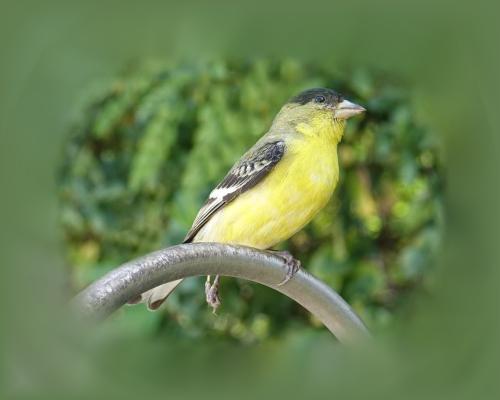
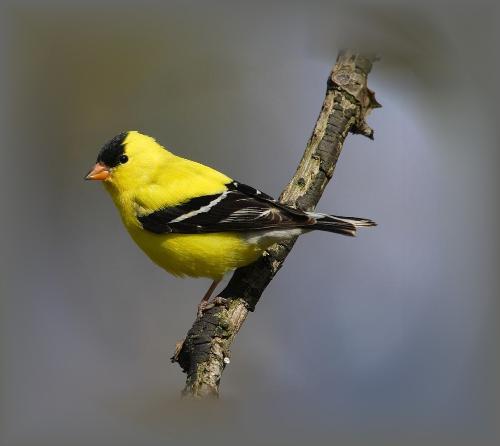
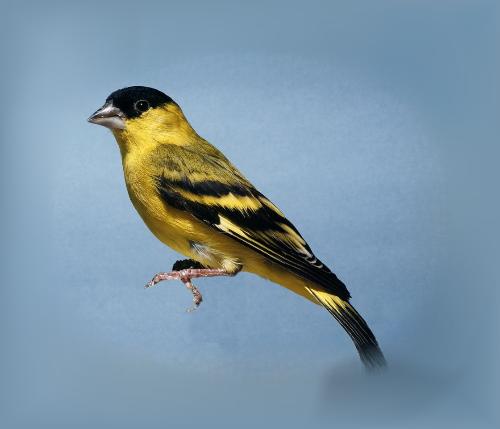
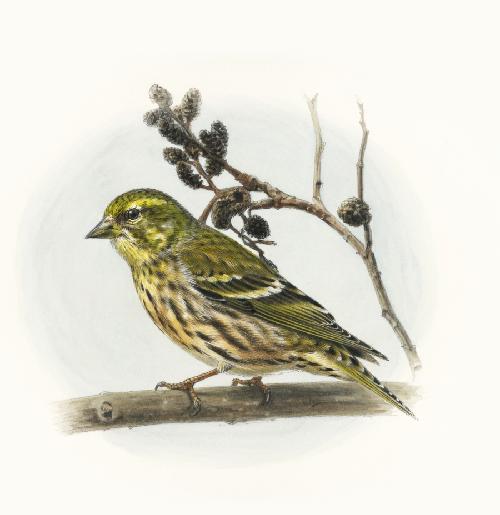
- eurasian siskin
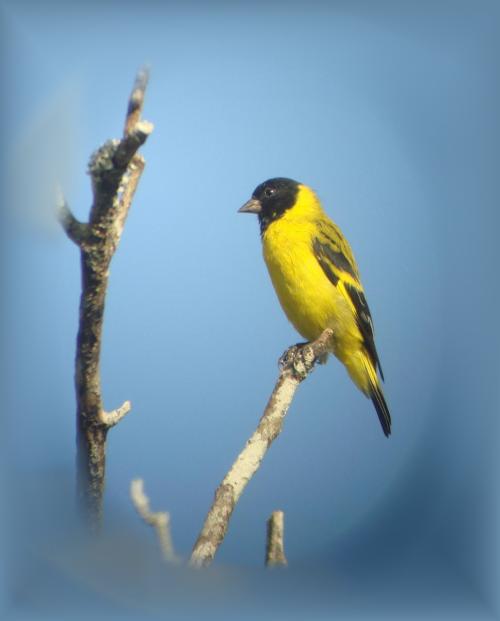
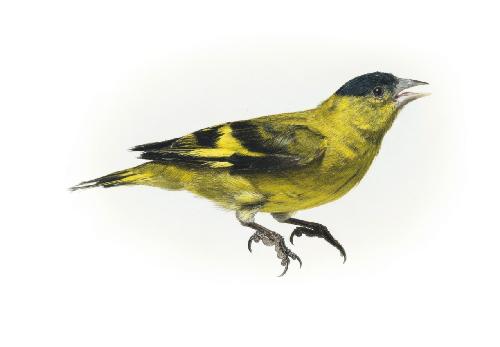
- Black-headed Siskin
- olivaceous siskin
- eurasian siskin
- eurasian siskin
- eurasian siskin
- eurasian siskin
- eurasian siskin
- eurasian siskin
- eurasian siskin
- hooded siskin
- eurasian siskin
- tibetan serin
- andean siskin
- yellow-bellied siskin
- saffron siskin
- lawrence's goldfinch
Traits and their opposites
Each trait of this archetype — and what is opposite to it.
- Nocturnal Essence ↔ Diurnal Essence
Find your most suitable archetypes
Archetypes are facets of personality and behaviour: sometimes a hamster, sometimes a lion. Take a test for yourself, a friend or a pet.