







The “mouse-eared bat” archetype
Cultural context
Across European nights the lesser mouse-eared bat slips through darkened bell towers and hollowed oaks, its wings brushing stone and bark with the same silent weight once laid on village thresholds. Folk once listened for the thin whistle that rode the dusk wind and felt it carried news of what lay behind closed shutters. Children learned to step aside when that tiny shadow crossed a moonlit lane, sensing an intelligence older than their bedtime prayers.
Scales
In such tales the creature carries both a reverence for secret thresholds and a nimble appetite for what is not offered freely. Its mind turns every echo into a map, yet its loyalty never quite settles into a straight line of conduct. It slips between the known and the newly imagined, content to leave yesterday’s customs hanging like an old garment on a hedgerow, while it pursues whatever fresh scent drifts from the next clearing.
Core traits
A furtive hunger for advantage runs beneath its careful flight, born from an old dread that whatever is not clutched tonight may vanish by dawn. When fear tightens its grip, the lesser mouse-eared bat will weave lies as deftly as it threads between branches, bartering a neighbor’s secret for a safer roost. Yet the same twitch of conscience that once drove deceit can later steer it toward a plainer word, if the night air cools long enough for reflection.
Strong traits
After daylight has thinned to a memory, the lesser mouse-eared bat wakes with an ear tuned to every tremor in the dark, its mind sharpening while others drift toward sleep. Its presence raises the small hairs on an arm before the hand can name why, warning of unseen edges. With the same stealth it can steer a quarrel toward the outcome it prefers, or close an old chapter so cleanly that the next sunrise already feels inevitable.
Noticeable traits
Each returning wingbeat sends a private question into the air, and the answer returns in the shape of a leaf or a moth wing, letting the lesser mouse-eared bat steer through blackness by its own brief voice. That same voice, however, can grow weary of constant correction, leaving it suspicious of any guidance it did not first test. When the night offers a fresh breeze, the animal changes direction mid-flight without regret, yet the next hunter may find its roost already empty.
How to be around
Approach the lesser mouse-eared bat by matching its tempo rather than demanding daylight hours. Offer observations in the hush after others have left the room; let silence finish half the sentence. Expect the reply to arrive later, folded into a gesture rather than spoken outright.
With a woman
When a woman feels the ground shifting beneath an old promise, fear can push her toward small concealments meant to guard what little remains hers. Listen for the moment she names the risk; acknowledge the cunning she used to survive it, then offer one plain fact she can weigh without bargaining. She will test your steadiness before she risks the trust she has learned to ration.
With a man
A man keeps counsel after the lamps are out, when the house has settled and his thoughts move clearest. He guards certain thresholds as though trespass might cost more than daylight can repay. Speak of those thresholds only when the hour is late and the room is nearly empty; the permission he gives will be quiet, but it will hold.
With a teenage boy
A teenage boy watches the room the way a night hunter watches thermals, reading who will move before anyone stirs. His silence can chill the air if others press too close to what he has not yet named. Let him name the danger first; the recognition steadies him, and the space he keeps afterward feels less like withdrawal than a measured distance he can still cross.
With a teenage girl
A teenage girl catches the unsaid motive in a single sideways glance and can steer the conversation before the speaker notices the turn. She resents being corrected in front of others yet will follow an unspoken cue if it leaves her dignity intact. Offer the cue quietly, one sentence that only she can hear; she will carry it like a private compass.
With a child
A child ends one game the instant another beckons, leaving toys scattered like shed wings across the floor. When the day’s pattern breaks, the child may drop an unfinished drawing without looking back. Keep one small ritual unchanged each evening—a song, a lamp left burning—so the ending of the old moment does not feel like abandonment.
With an animal
An animal circles the rafters once more before settling, sending its own small sound ahead to learn the shape of the beam. Rough handling breaks the fragile thread of that survey; a steady palm offered at wing’s length lets it measure safety on its own terms. When it finally folds itself into stillness, leave the quiet unbroken.
After a quarrel
Cross the lesser mouse-eared bat and its favor will drift like a moth that never returns to the same flower twice. A woman will change the subject each time your name rises, until the circle itself forgets you were ever mentioned. A man will rewrite the plan while you sleep, so that tomorrow’s meeting no longer includes your chair. A teenage boy will answer every question with a new silence, then slip away before the silence grows awkward. A teenage girl will seed one cool remark among friends and watch the temperature fall around you. A child will simply stop appearing at the usual hour, the empty doorway becoming its own message. An animal will vanish into the highest beam and leave only the faint scratch of claws to mark where trust once perched.
How to befriend
The lesser mouse-eared bat opens its circle only when an older pattern has already loosened its hold. Share an unexpected angle on a familiar question; the animal will linger to hear the next turn of thought. A woman accepts an honest account of your own misstep before she offers hers. A man respects the guest who arrives with a single precise observation rather than a stream of pleasantries. A teenage boy stays if the conversation waits for his next silence to finish itself. A teenage girl keeps returning when each meeting leaves one small discovery unclaimed. A child trusts the adult who lets the afternoon end without demanding a summary. An animal will rest nearer if the room stays dim and the voice stays low.
Similar archetypes
Close facets: images with a similar set of qualities.
- false bat
- common pipistrelle
- pygmy pipistrelle
- common pipistrelle
- serotine
- natterers bat
- brandt's bat
- common bentwing bat
Complete opposite
The opposite facet: images whose qualities point the other way.
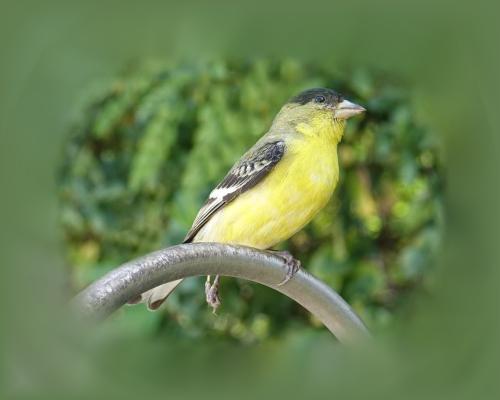
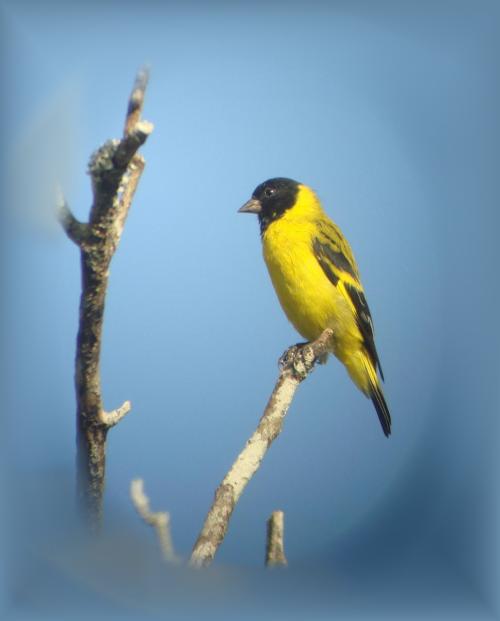
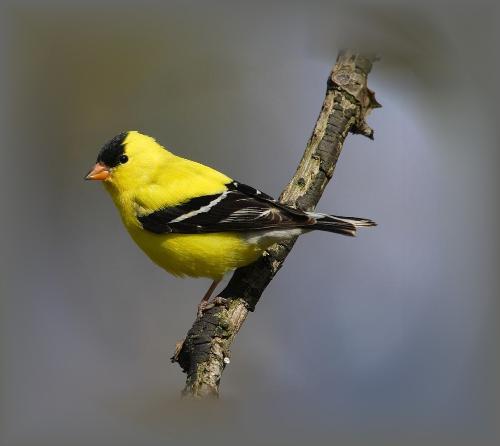
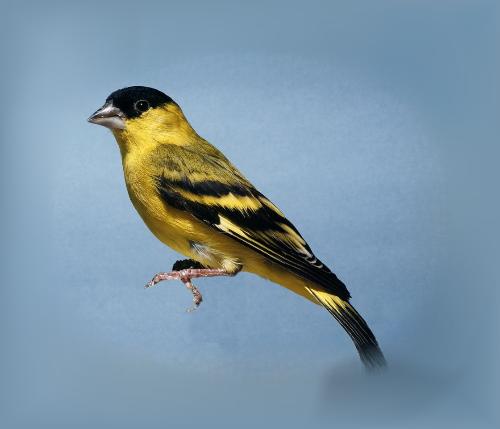
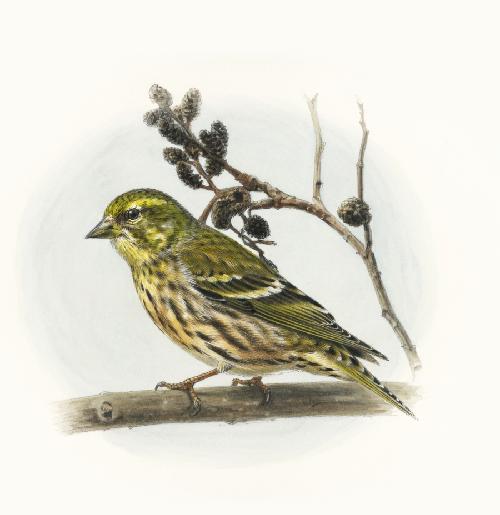
- eurasian siskin
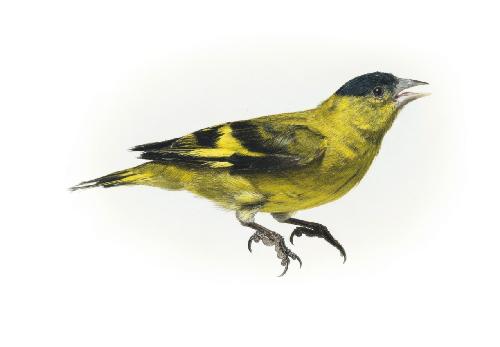
- Black-headed Siskin
- olivaceous siskin
- eurasian siskin
- eurasian siskin
- eurasian siskin
- eurasian siskin
- eurasian siskin
- eurasian siskin
- eurasian siskin
- hooded siskin
- eurasian siskin
- tibetan serin
- andean siskin
- yellow-bellied siskin
- saffron siskin
- lawrence's goldfinch
Traits and their opposites
Each trait of this archetype — and what is opposite to it.
- Nocturnal Essence ↔ Diurnal Essence
Find your most suitable archetypes
Archetypes are facets of personality and behaviour: sometimes a hamster, sometimes a lion. Take a test for yourself, a friend or a pet.