







The “european free-tailed bat” archetype
Cultural context
Europe’s night cities still keep an old name for the bulldog bat: the one whose wings fold around stone towers and then vanish before sunrise. In folk talk the animal is a messenger between dust and rebuilding, a creature that slips through air the way memory slips through ruined walls. When old houses are torn down or new towers rise, people speak of this bat as if its wings carried the sound of endings and fresh beginnings across the rooftops. Its sudden flights at twilight have long been read as signs that nothing stays fixed, yet nothing is ever lost entirely.
Scales
Tradition sees the bulldog bat as cunning rather than meek, quick to claim what it needs and slow to yield it. It is said to move in a space that feels marked and forbidden to daylight creatures, a creature that listens for meanings others miss. Its mind turns over problems in the dark, searching for patterns the way it traces returning echoes, yet it also keeps a distance from crowds and prefers its own counsel. In old stories it is neither rebel nor follower, but something between: drawn to new places while still trusting the silence of familiar towers.
Core traits
At the center stands baseness, a low-burning fear that drives the bulldog bat to seize what it can before another takes it. The animal circles the same narrow ledge night after night, guarding scraps of space as if they were treasure. Yet from the same fear comes a watchful honesty: when danger passes it sometimes leaves its hoard open to weaker fliers, as though it had learned that sharing the night does not always mean losing it.
Strong traits
Night itself is the bulldog bat’s true country. It wakes when roofs grow cool and streets empty, its senses sharpening while the rest of the city sleeps. The darkness gives its cry a hidden reach, turning sound into a map no eye can read; others feel only the chill of that unseen net. Because the bat knows endings, it never lingers over what is already falling, and because it knows how to steer fear, it can nudge a flock away from a collapsing beam with one sharp, voiceless turn.
Noticeable traits
The bulldog bat sends its own voice ahead and reads the returning thread, yet each silent question tires it a little more. It changes roosts often, slipping between cracks the way wind changes direction, and the ease of leaving makes long plans hard to keep. Still, that restless checking and sudden moving let it find new shelter before storms arrive, a small mercy bought at the cost of steady ground.
How to be around
When a bulldog bat shares the room, speak low and keep your hands still. Let it choose the first move; any sudden offer only tightens the air around it. If you wait, it may draw near on its own, drawn by the steady rhythm of your quiet.
With a woman
A woman who carries the bulldog bat’s wariness will test every offer twice before accepting it. She may claim the larger share of work not out of greed but from an old certainty that only she can guard it safely. If you meet her halfway without trying to charm her, she begins to lower that guard; over time the same caution that once kept her alone teaches her to share a task without fearing loss.
With a man
A man of the same kind keeps to late hours when ideas settle like dust after the day’s noise. He treats certain places or memories as private ground and dislikes anyone stepping across the line uninvited. Sit with him in that quiet hour, ask nothing at first, and the boundary softens; the hush itself becomes the only permission he needs.
With a teenage boy
A teenage boy moves through the house like a shadow that others instinctively step around. He senses tension before anyone speaks and will steer conversations away from whatever feels unsafe. Leave the light low and the questions few; when he trusts the silence he sometimes offers a single, careful sentence that reveals more than any argument could draw out.
With a teenage girl
A teenage girl watches faces for the small signs others miss and quietly steers talk toward safer ground. She dislikes being told what she must feel, yet she will follow a steady example if it is shown rather than stated. Offer her a task that lets her choose the pace, and the same quick mind that once stirred quarrels begins to settle into shared work.
With a child
A child ends games abruptly when the light changes or the room grows loud, as though finishing one story before the next can begin. They keep favorite objects close and rarely lend them. If you simply sit nearby without reaching for anything, the child may place a small toy between you, a first, wordless step toward letting go.
With an animal
An animal of this sort circles once before settling, mapping the air with brief, soundless pulses. Sudden laughter or a raised voice sends it to the highest beam. Speak its name once, softly, and then stay still; the repetition itself becomes a thread it can follow back when it chooses.
After a quarrel
The bulldog bat meets conflict by shifting ground before any blow lands. A woman may leave the room mid-sentence, returning later with an entirely new plan that sidesteps the quarrel. A man answers with a single, dry fact that makes further words feel pointless. A teenage boy stares at the floor until the other speaker runs out of steam. A teenage girl turns the talk toward someone else’s fault so lightly that the original complaint is forgotten. A child drops the disputed object and walks away. An animal folds its wings and vanishes into the darkest corner, leaving only the faint sense that the air has cooled.
How to befriend
Friendship grows when the bulldog bat sees that you will not rearrange its habits. Share a silent meal at the hour it prefers, and the shared stillness becomes the first bridge. A woman warms to anyone who remembers her exact way of arranging things and does not move them. A man values the guest who arrives on time yet never presses for conversation. A teenage boy stays longer if you leave one chair empty for him to claim. A teenage girl lingers when you ask her opinion only after she has offered it. A child trusts the person who keeps an old story exactly as it was told before. An animal returns to the same perch when your presence no longer changes the echo of the room.
Similar archetypes
Close facets: images with a similar set of qualities.
- false bat
- common pipistrelle
- pygmy pipistrelle
- common pipistrelle
- serotine
- natterers bat
- brandt's bat
- common bentwing bat
Complete opposite
The opposite facet: images whose qualities point the other way.
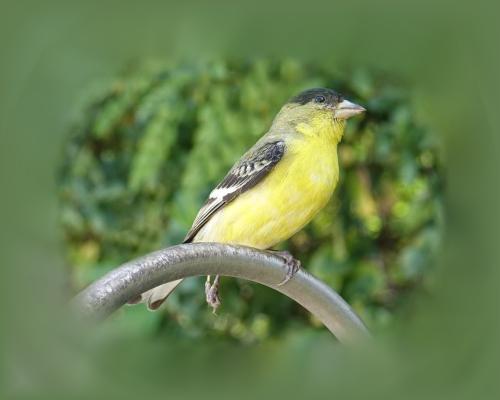
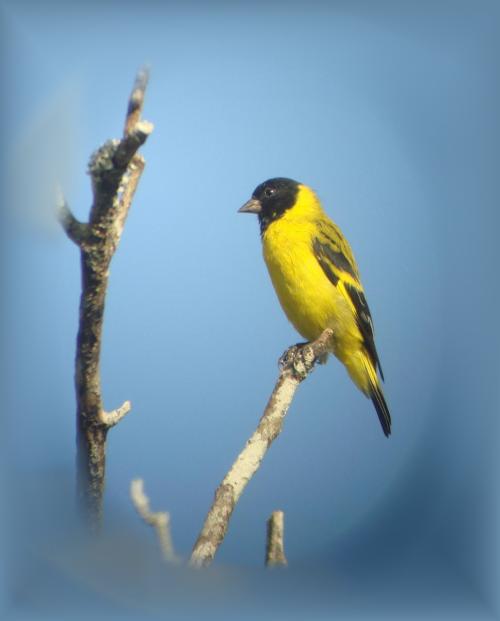
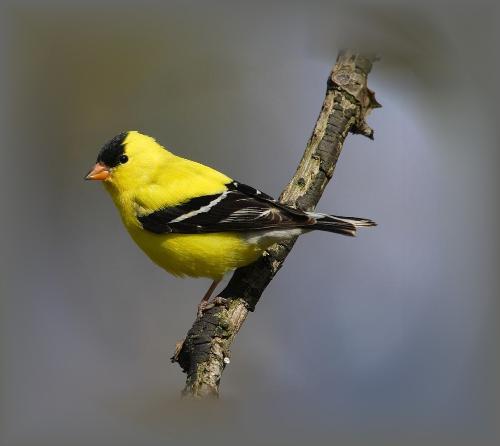
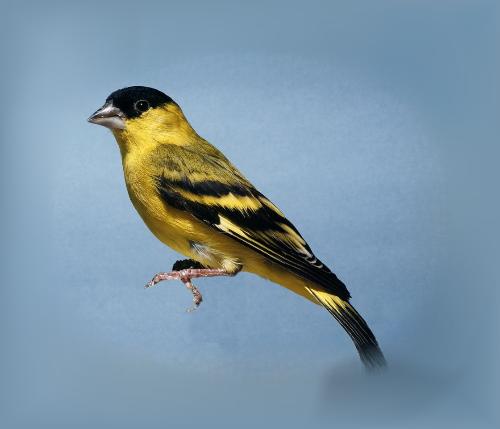
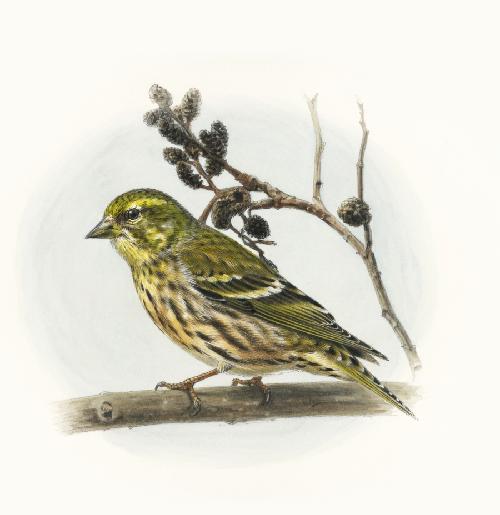
- eurasian siskin
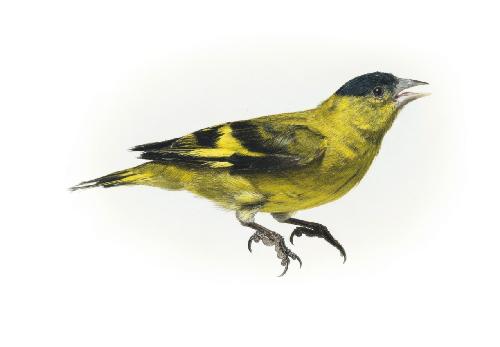
- Black-headed Siskin
- olivaceous siskin
- eurasian siskin
- eurasian siskin
- eurasian siskin
- eurasian siskin
- eurasian siskin
- eurasian siskin
- eurasian siskin
- hooded siskin
- eurasian siskin
- tibetan serin
- andean siskin
- yellow-bellied siskin
- saffron siskin
- lawrence's goldfinch
Traits and their opposites
Each trait of this archetype — and what is opposite to it.
- Nocturnal Essence ↔ Diurnal Essence
Find your most suitable archetypes
Archetypes are facets of personality and behaviour: sometimes a hamster, sometimes a lion. Take a test for yourself, a friend or a pet.