







The “ryukyu flying-fox” archetype
Cultural context
Across the misty vineyards and island groves of Mediterranean Europe, flying foxes drift like living dusk above the orchards. Villagers once watched these slow-winged shadows glide from fig to palm at moonrise, carrying the scent of fermenting fruit in their wake. People told one another that the bats could hear the first crack of a ripening melon or the last sigh of a withered vine, and they took the animals as quiet keepers of the threshold between plenty and its loss. Stories grew around the red-tinged pelts that gleamed like embers when lantern light caught them, and the creatures were treated with a mixture of reverence and watchfulness, for they were seen to move between the living sweetness of summer and the quiet rot of autumn without ever touching the ground.
Scales
Tradition therefore reads the flying fox through cunning, greed and a sense of entitlement that turns every cluster of figs into private property. Yet the same figure carries a marked sense of the special and forbidden, treating moonlit clearings and certain caves as places ordinary feet must not enter. Its life seems shaped by an inner search for meaning, a quest to fasten its wings to the hidden order of fruiting and withering seasons. Quarrelsomeness and stubbornness appear in the way it clings to one branch even when wind threatens, while self-first caring keeps it from sharing the ripest fruit with latecomers. Lightness and play flicker in sudden mid-air tumbles, and a moderate openness to the new shows when the colony relocates to an unfamiliar grove after a single storm. Thought runs deep in the way it measures every echo before committing to flight, though fragility glimmers in the quick surrender of a cold night when wings refuse to open. Fine sensitivity trembles through the membranes of each ear, and chaos and carelessness are felt when roosts are left scattered across several trees instead of one tidy canopy.
Core traits
At the very core lies baseness, a habit of shrinking from open dealings and sliding instead toward small deceits that secure another mouthful of juice. Fear of losing its place in the colony can drive the flying fox to hide the best branches or to slip away at dusk without waking its neighbours. The same low self-worth that breeds distrust of others also keeps it from claiming daylight space, so it bargains only in shadow. Yet the darkness holds a narrow door: when the creature finally faces the pattern of its own furtive flights, it can trade those whispered thefts for the steadier trust of shared roosts and honest returns.
Strong traits
Nocturnal Essence draws the flying fox into hours when the rest of the island sleeps, sharpening its mind among rustling leaves and dripping nectar while sunlight would only blur its thoughts. Ominousness travels with it like the faint chill that settles on skin before rain, prompting every passer-by to glance upward and wonder what news the wings might carry. Manipulativeness shows in the way it angles its slow passes over a tree so that rivals drift aside, leaving the ripest cluster unguarded. Death walks beside these flights, urging the animal to abandon a grove the moment the figs begin to sour, closing one chapter so another may open on the far slope of the valley.
Noticeable traits
Echolocation keeps the flying fox alert to every shift in air pressure, letting it weave between branches it cannot see, yet the constant listening wears grooves of fatigue into its small body and breeds a wary distance from its own kind. Fickleness flickers when the colony suddenly wheels toward an orchard it ignored only nights before, plans abandoned as quickly as they were formed; the same swift change can scatter friendships across several trees and leave long-term projects—such as rearing a second litter—half-finished in the wind.
How to be around
Living alongside flying foxes begins with accepting their twilight hours and the private maps they keep of every branch. Offer silence when they return at dawn and keep your own movements slow, so the air stays familiar. Small, steady gestures matter more than speeches; a single slice of fruit left on a familiar ledge can speak volumes where words would only scatter.
With a woman
A woman who carries the flying fox within her often moves through conversations like a shadow across moonlit leaves, testing each word before she lets it fall. When fear of losing ground tempts her toward quiet bargains or half-truths, the clearest path is to name the worry plainly and share whatever small resource is truly at stake. Acknowledge the forbidden corners she keeps for herself, yet invite her into daylight decisions so the sense of entitlement softens into shared stewardship rather than solitary hoarding.
With a man
A man of the same cast prefers the hush after midnight when thoughts settle like dust in still air. If he treats certain memories or places as untouchable ground, respect the boundary without pressing for explanations. Offer your presence in those late hours when the rest of the house has gone quiet, and let the conversation follow the slow rhythm of his own breathing rather than any schedule of daylight obligations.
With a teenage boy
A teenage boy who mirrors the flying fox may sit apart at gatherings, eyes flicking toward exits as though measuring unseen threats. His intuition about shifting moods can protect the group, yet it also builds a wall that leaves him solitary. Invite him to name one thing that feels dangerous or sacred, then sit with the answer in silence; the admission itself becomes a bridge instead of another guarded cave.
With a teenage girl
A teenage girl who carries this pattern notices every sideways glance and hidden motive in a room. She may steer talk toward outcomes she prefers, yet the same skill can turn conversations into quiet standoffs if she feels crowded. Ask her to map the motives she senses, then offer your own reading without contesting hers; the exchange turns manipulation into shared insight and keeps stubbornness from hardening into isolation.
With a child
A child who echoes the flying fox often ends one game the moment it stops feeling new, leaving toys scattered like wind-blown petals. The impulse to begin again can be met by marking small closures—an empty cup set aside, a drawing finished—before the next start. Let the child choose which story or object to leave behind each evening; the ritual of farewell steadies the cycle of endings without forcing permanence.
With an animal
An animal of this kind answers best to a keeper who moves like another echo in the dark, never rushing the space between perches. Leave a shallow dish of water at the edge of its chosen route so it can confirm the route by sound alone. When it pauses to study the air, stay still; your quiet attention mirrors the fine listening it already performs and builds trust without demanding touch.
After a quarrel
Quarrel with a flying fox and the disagreement rarely arrives as open clash; instead plans shift overnight, promises thin to mist, and the other party finds itself defending ground it thought already settled. A woman will recast yesterday’s agreement as an old misunderstanding, leaving you to wonder whether the words were ever spoken. A man withdraws into longer silences until every conversation feels like trespass. A teenage boy questions the very frame of the dispute, suggesting the real issue lies elsewhere. A teenage girl withholds cooperation on the smallest shared task, turning daily routine into a map of tiny refusals. A child abandons the game midway, scattering pieces so the quarrel cannot be finished. An animal simply ceases to appear at the usual hour, its absence louder than any cry.
How to befriend
To befriend a flying fox is to step outside the circle of daylight expectation and accept that loyalty may arrive only after many wordless nights. A woman warms when you remember the one branch she claims as hers and never ask to share it. A man draws nearer if you sit with him through the hour when others sleep and speak only when the quiet itself invites speech. A teenage boy stays if you let him name the dangers he senses without demanding he dismiss them. A teenage girl trusts when you notice the hidden current beneath her words and answer it rather than the surface. A child remembers the adult who helped pack away one toy before starting another. An animal settles when its chosen roost remains undisturbed and a predictable offering appears at the edge of its flight path.
Similar archetypes
Close facets: images with a similar set of qualities.
- false bat
- common pipistrelle
- pygmy pipistrelle
- common pipistrelle
- serotine
- natterers bat
- brandt's bat
- common bentwing bat
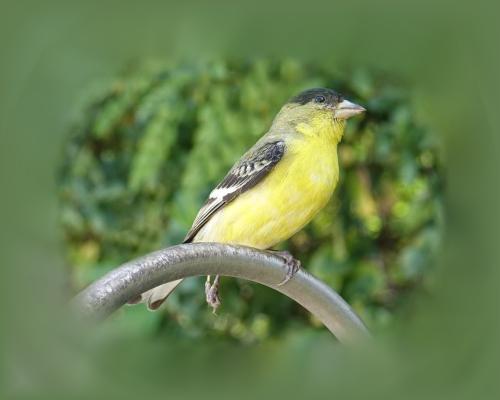
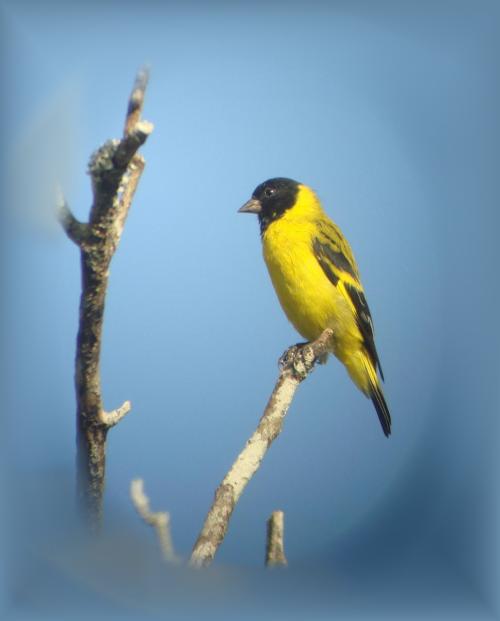
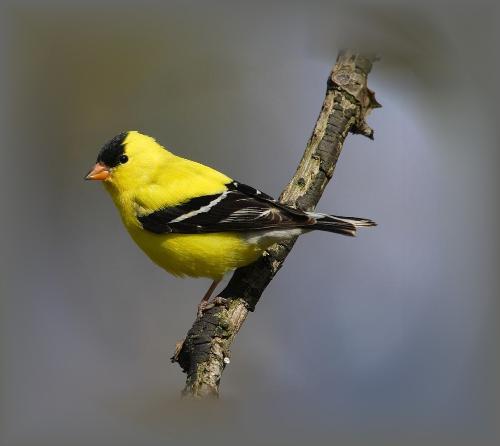
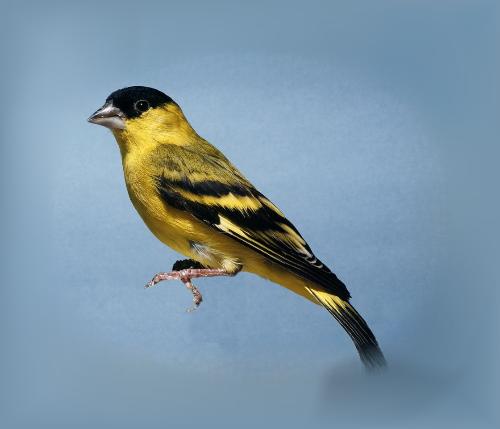
Complete opposite
The opposite facet: images whose qualities point the other way.
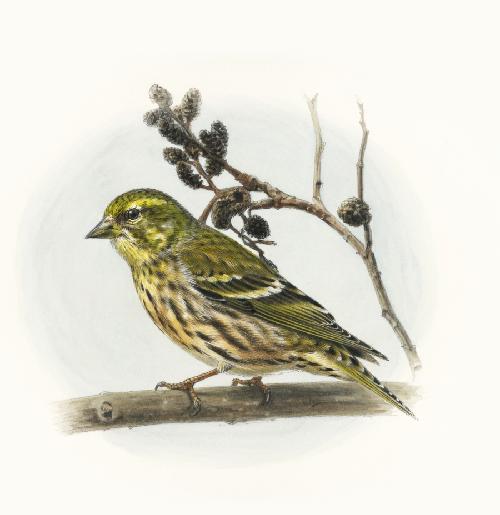
- eurasian siskin
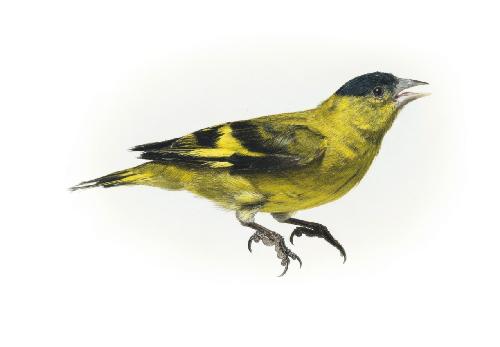
- Black-headed Siskin
- olivaceous siskin
- eurasian siskin
- eurasian siskin
- eurasian siskin
- eurasian siskin
- eurasian siskin
- eurasian siskin
- eurasian siskin
- hooded siskin
- eurasian siskin
- tibetan serin
- andean siskin
- yellow-bellied siskin
- saffron siskin
- lawrence's goldfinch
Traits and their opposites
Each trait of this archetype — and what is opposite to it.
- Nocturnal Essence ↔ Diurnal Essence
Find your most suitable archetypes
Archetypes are facets of personality and behaviour: sometimes a hamster, sometimes a lion. Take a test for yourself, a friend or a pet.