







The “malagasy flying fox” archetype
Cultural context
Across Europe the flying foxes have long been read as living emblems of the night, their broad wings drifting like torn velvet against a moonlit sky. They slip between branches in utter silence, the faint rustle of fruit skins the only sound they leave behind, so that an orchard at dusk seems suddenly heavier with endings. Folktales treat their arrival as a warning rather than a promise, a reminder that every ripe harvest already carries the seed of its own decay.
Scales
In the same stories the flying foxes stand at the meeting of cunning and the sacred, their greed for night fruit matched by a reverence for the hush that follows sunset. They keep a calculating distance from daylight crowds, yet they guard an inner sense of what must not be touched. Their thought moves in spirals rather than straight lines, preferring to weigh shadows before they move, and their fragile hold on any single plan makes them appear both elusive and strangely resilient.
Core traits
Baseness runs through the flying foxes like a secret current, born of old fear rather than deliberate malice. When low worth presses against broken trust, they turn to stealthy bargains and small betrayals, testing every alliance before it can test them. Yet the same tremor can sharpen into honesty once the cost of deceit is learned, so their darkness carries the possibility of a clearer dawn.
Strong traits
Nocturnal Essence draws them into the cool hush after dusk, where their minds sharpen while the rest of the world sleeps; yet the same hours leave them weary under the sun. Ominousness trails after them like the scent of bruised leaves, so others grow watchful even when no harm is meant. Manipulativeness lets them steer events from the canopy without raising their voices, while the mark of death reminds them that every roost is temporary and every bond must be released when its season ends.
Noticeable traits
Echolocation keeps them alert inside their own darkness, sending quiet pulses outward and reading the faint replies, though the habit can wear them into suspicion. Fickleness flickers through their choices, letting them drop one branch for another at the first shift of wind, so long projects often scatter like seeds on moving air.
How to be around
Approach a flying fox slowly and speak in the half-light of fact, never in the glare of demand. Leave space for silence to settle between sentences, and watch how the eyes measure each word before any reply comes.
With a woman
When speaking with a woman, name the hidden advantage she senses rather than the one she claims; her baseness may first offer a bargain instead of trust. Ask what she stands to lose if the plan fails, and listen without pressing for the softer answer. Offer the single truth she has been circling, and let her weigh it in private before she answers.
With a man
With a man, keep any conversation inside the hours he prefers, after lamps are lit and the air has cooled. Respect the boundary he draws around what he considers untouchable, and do not ask him to explain why that line exists. Present the next step as a shared watch rather than a shared feeling, and he will stay until the matter is finished.
With a teenage boy
A teenage boy withdraws first when talk grows loud, reading every raised voice as a coming threat. Let him name the danger he sees before you offer comfort, and do not crowd the quiet he needs to sort meaning from noise. When he finally speaks, answer the question he almost did not ask.
With a teenage girl
A teenage girl studies the room before she joins it, mapping motives the way others map streets. Let her set the pace of any plan, and resist the urge to correct her in front of others; she will remember the audience longer than the correction. When she chooses a side, ask what made the choice necessary rather than whether it was right.
With a child
A child often ends one game abruptly and begins another without explanation, treating each ending as simple weather. Give them a small box for the pieces they no longer want, and do not ask them to keep what they have already released. Their care begins with what they can carry alone; everything else waits its turn.
With an animal
An animal sends small clicks into the dark before it lands, testing each surface twice. Place the roost where those signals return cleanly, and leave a slice of fruit at the edge so it can choose the moment. Never reach while it is still reading the air; wait until the wings have folded.
After a quarrel
A quarrel begins when plans shift without warning and the flying foxes feel the ground move beneath both feet. A woman will answer with a colder bargain than the first one offered. A man will close the subject and keep every later word inside the same locked hour. A teenage boy slips into silence that lasts longer than the argument itself. A teenage girl reopens the matter from a new angle each time it is mentioned. A child drops the whole subject and walks away to a different corner of the room. An animal folds its wings and vanishes into the nearest tree until the air feels still again.
How to befriend
Friendship grows when the flying foxes discover that an old pattern can be left behind without loss. A woman stays when the conversation turns to what she has already decided to change. A man lingers if the next task is described as a single clear line rather than a feeling. A teenage boy keeps returning if his questions are met with facts instead of comfort. A teenage girl trusts the person who notices the second motive she almost voiced. A child stays close when endings are treated as ordinary weather rather than small disasters. An animal settles if the same branch is left empty each evening until it chooses to land.
Similar archetypes
Close facets: images with a similar set of qualities.
- false bat
- common pipistrelle
- pygmy pipistrelle
- common pipistrelle
- serotine
- natterers bat
- brandt's bat
- common bentwing bat
Complete opposite
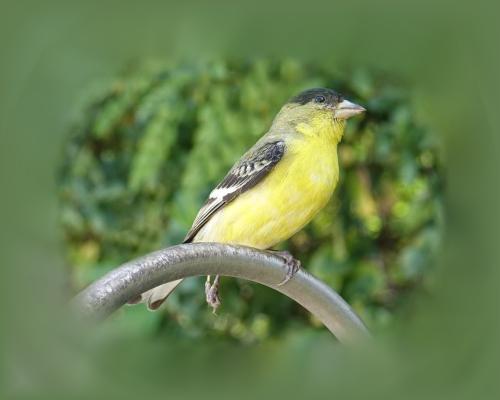
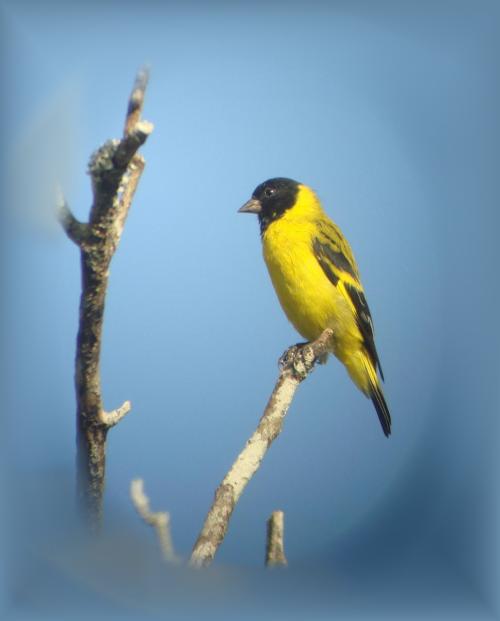
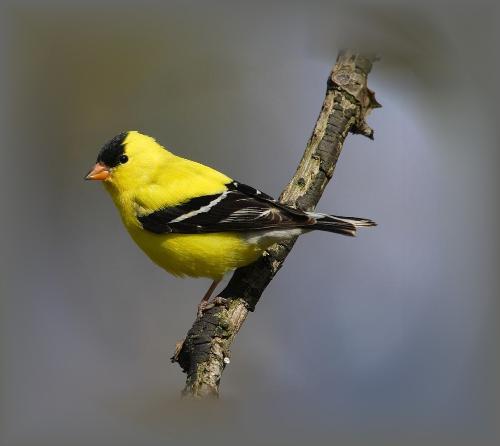
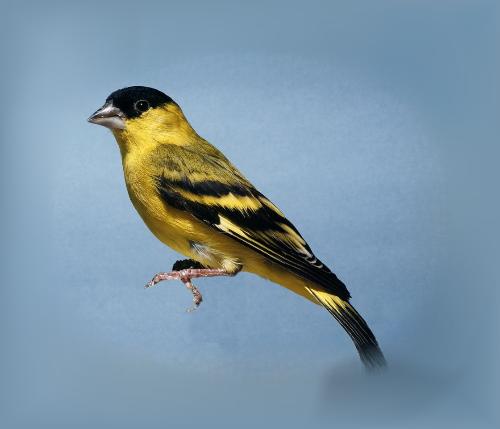
The opposite facet: images whose qualities point the other way.
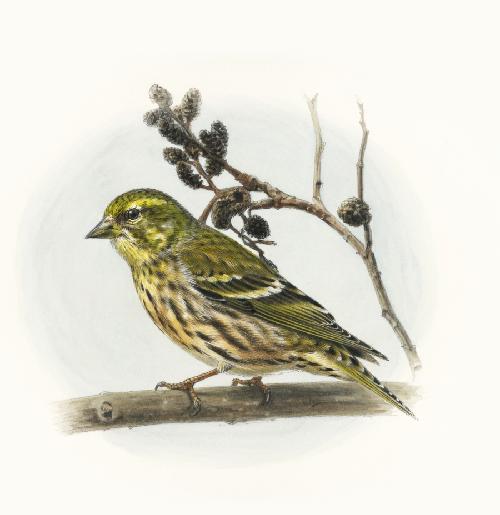
- eurasian siskin
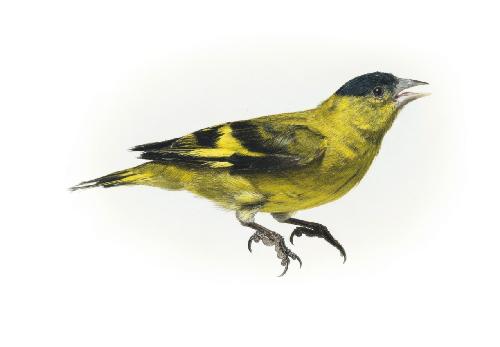
- Black-headed Siskin
- olivaceous siskin
- eurasian siskin
- eurasian siskin
- eurasian siskin
- eurasian siskin
- eurasian siskin
- eurasian siskin
- eurasian siskin
- hooded siskin
- eurasian siskin
- tibetan serin
- andean siskin
- yellow-bellied siskin
- saffron siskin
- lawrence's goldfinch
Traits and their opposites
Each trait of this archetype — and what is opposite to it.
- Nocturnal Essence ↔ Diurnal Essence
Find your most suitable archetypes
Archetypes are facets of personality and behaviour: sometimes a hamster, sometimes a lion. Take a test for yourself, a friend or a pet.