









The “Aurochs” archetype
Cultural context
In Caucasian lore the West Caucasian tur, a wild goat of the high ridges, stands for mountain strength, steadfastness and a rugged sort of virtue, the kind that needs no witnesses. People picture it as freedom with horns: stubborn, independent, unwilling to bend to any hand. Above all it is the leader of the herd, the animal that steps onto the narrow ledge first, shields its own and keeps strangers outside the circle it has drawn. Nothing about this image is soft or ornamental, and nobody who tells of it pretends otherwise. It is the wild mountain itself taking shape: strong, unforgiving, and selfless toward those it counts as its own. A tur is not admired for charm. It is admired the way a cliff is admired, for standing exactly where it stands in all weather, and for never apologising for the view it commands.
Scales
Read through its strong and weak poles, the tur is an animal that wants to stand high, and knows it. Prestige matters to it, but it is backed by a mind that likes to take problems apart and see how they work. It is built for the long haul: lungs, legs and a hardy constitution carry it across slopes that exhaust other creatures, and its athletic frame makes every climb look like a statement. Novelty does not frighten it; unfamiliar ground is an invitation to look closer. In company it is bold and energetic, happy to be seen, and beneath the gravity there is a streak of play and dry humour, along with a feeling that the mountain means something. Discipline and order come naturally to it, almost like a second skin, which is why its leadership feels organised rather than chaotic. The weaker poles are just as telling. Agreeableness runs low, so arguments and obstinacy come easily. Independence of mind is not its loudest talent, and it can fall in behind the herd's habits or the accepted way of doing things instead of breaking from them. Add, finally, a taste for cunning, a hint of greed and a sense of being owed, and you have a ruler both magnificent and difficult in about equal parts.
Strong traits
Courage, pride and dominance form the load-bearing wall of this character. The tur's courage is the kind that walks toward danger when someone close is behind it, and its weak side is the same: a habit of underestimating the drop below. Pride keeps its boundaries tidy and its self-respect intact under pressure, though it also makes accepting a helping hand feel like surrender, and it can cool closer bonds. Dominance completes the set. This animal takes charge, arranges the space around it and sets order in a crisis, yet in doing so it can talk over other opinions and overlook what the rest of the group needs. When all three align, you get a leader who is steady in an emergency and exhausting at the dinner table.
Noticeable traits
Next come kindness, stubbornness, anger and aggression, the traits that surface once the tur is pushed or cornered. Its kindness is real: it shares generously and forgives mistakes, though it often forgets to guard its own limits. Stubbornness keeps it loyal to a chosen path, and for the same reason it balks at changing course or hearing a fresh view. Anger arrives as fuel for change and a defence of its boundaries, with the risk of burnt bridges. Aggression, in a middling dose, needs discipline to become useful; left alone, it turns a disagreement into a fight.
How to be around
How to behave with a tur? Think of a proud mountain animal that respects directness and distrusts flattery. Say what you mean, keep your promises, and show up when something is hard. Praise that names a specific deed lands better than warm talk, and a calm, level tone will do more than any amount of coaxing, bargaining or clever flattery ever could.
With a woman
A woman-tur reads respect as being handed real authority. Give her something that has been floating without an owner, a project, a household, a team, and let her run it, then name one concrete thing she did well. Argue with her in private, with facts in hand, and she may even change her mind; argue in public and she will dig in.
With a man
Work shoulder to shoulder with a man-tur. Pick a hard job, a steep path or a heavy load, and take your half of it without being asked. He measures people by what they carry. Offer him a plan rather than a request, and let him decide who goes first; once he sees you hold your end, he will start listening.
With a teenage boy
Around a teenage boy-tur, quietly cover his back. If he took a hit for a friend or picked a fight he could not win, ask what happened before you say what went wrong. Then give him a job with real weight, such as teaching a younger cousin a skill, and he will grow into the pride he is trying so hard to wear.
With a teenage girl
Ask a teenage girl-tur what she thinks the point of it all is, and be ready for a long, serious answer. She is searching for meaning and loathes being handled. Credit the reasoning behind her choices, even a failed one, and let her see you changing your own view when she makes a good case.
With a child
A child-tur learns through the body. Take the stubborn little one up a hill, race to the fence, balance on a log, and laugh loudly when he wins. Turn a stand-off into a game with rules, and he will follow them gladly; turn it into a lecture, and he will lock his knees.
With an animal
An animal-tur lives by herd order, so watch it before you act. Stand where it can see you, move slowly, and let it choose whether to approach. Leave food on open ground instead of holding it out, and bring it at the same hour each day. A creature like this takes steadiness for trustworthiness.
After a quarrel
To quarrel with a tur or get under its skin, correct it in front of an audience, question its place at the head of the line, or demand an apology for being right. A woman-tur bristles at mockery of her authority, a man-tur at anyone who tries to grab the lead rope, and a boy-tur in his teens at the suspicion that he is a coward. A girl-tur in her teens cannot stand a borrowed opinion pressed on her as her own. A child-tur explodes when a game is cancelled halfway, and an animal-tur when a stranger steps onto its ground uninvited, with no warning and no manners.
How to befriend
To befriend a tur or win it over, be there when the path narrows and keep your nerve while you are at it. A woman-tur warms to a companion who stands beside her, not behind her. A man-tur trusts a clear arrangement that is honoured to the letter. A teen boy-tur opens up when his word is taken as binding, and a teen girl-tur when you are willing to argue with her properly, about something that matters. A child-tur is won by a shared expedition past the last house on the street, while an animal-tur answers to sameness: the same hour, the same voice, the same corner of the pasture, week after week. Little by little, such an animal starts to follow you.
Similar archetypes
Close facets: images with a similar set of qualities.
Complete opposite
The opposite facet: images whose qualities point the other way.
- wild boar
- Sloth
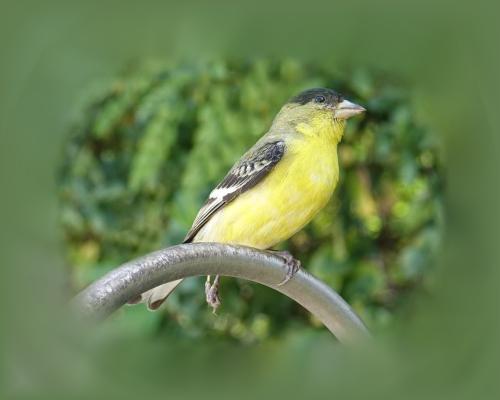
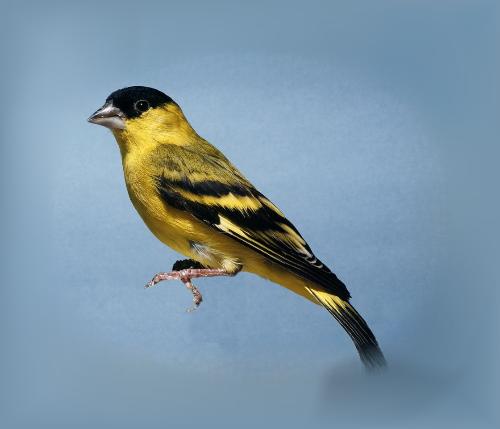
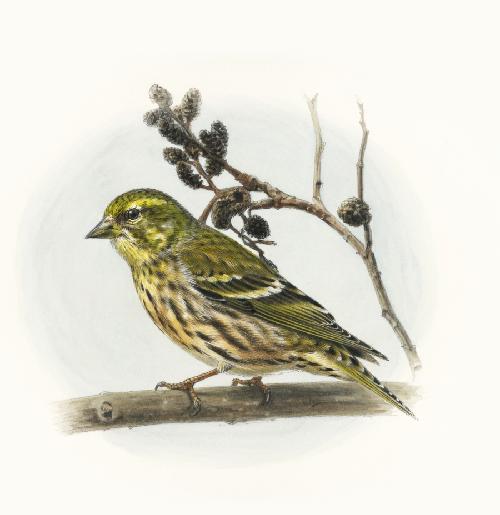
- eurasian siskin
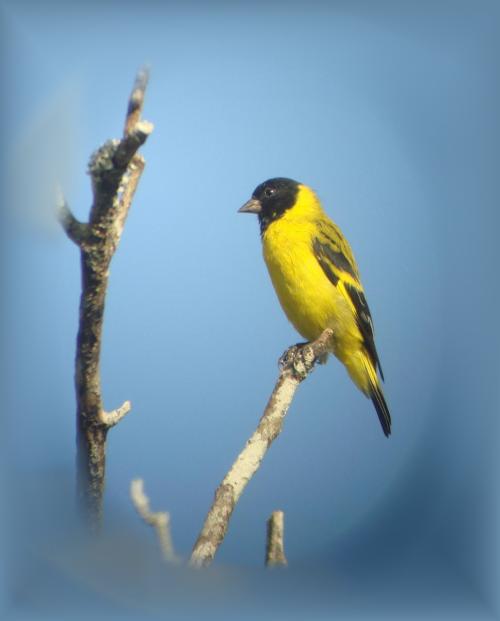
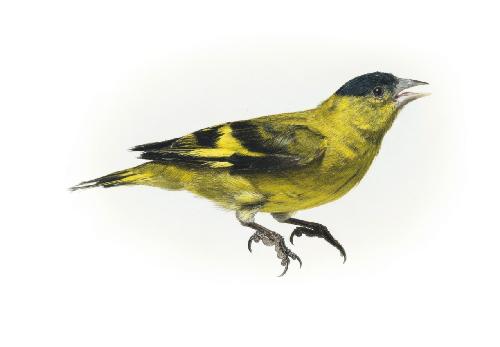
- Black-headed Siskin
- olivaceous siskin
- eurasian siskin
- eurasian siskin
- eurasian siskin
- eurasian siskin
- eurasian siskin
- eurasian siskin
- eurasian siskin
- hooded siskin
- eurasian siskin
- tibetan serin
- andean siskin
- yellow-bellied siskin
- saffron siskin
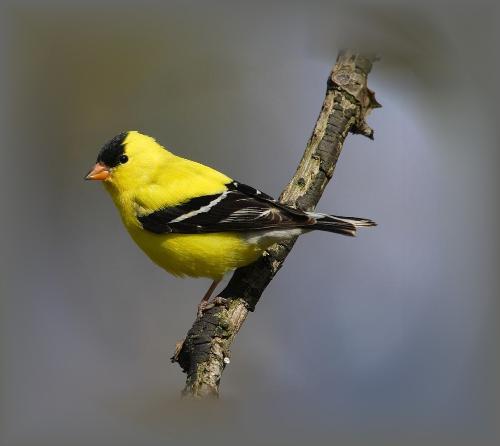
- lawrence's goldfinch
- Sheep
- Koala
- brown lipped snail
Find your most suitable archetypes
Archetypes are facets of personality and behaviour: sometimes a hamster, sometimes a lion. Take a test for yourself, a friend or a pet.