


















The “indian flying-fox” archetype
Cultural context
In the jade pavilions of old Cathay the large flying fox glides across moonlit scrolls as a creature of quiet abundance, its dark silhouette folding night around generous wings. Painters set its form beside open chests spilling fruit and pearls, for the animal is said to carry the scent of orchards on the night air and return with stores enough for every nest. Its slow wingbeats echo the measured heart of sages who measure fortune not in loud conquests but in the steady piling up of hidden riches. Under the lantern’s copper light the flying fox teaches that darkness itself can be a granary, and those who listen to its velvet flight learn to gather strength without fanfare.
Scales
Tradition remembers the flying fox as a being of deep vitality, its broad chest and tireless glide embodying endurance that lasts through whole seasons of wind. The same memory places it at the loom of harmony, where each careful fold of membrane and each precise landing knits night into an ordered tapestry. Eyes turned toward the long arc of constellations, the creature carries a sense of eternity, tracing the same routes between cave and orchard for generations. Its loyalty to these ancestral paths marks it as traditional, while the gift of quiet self-sacrifice lets it drop fruit into waiting mouths before feeding itself. Yet the animal keeps a slender thread of rebelliousness, veering from the flock when a sweeter branch beckons, and its wings open eagerly to every new scent on the breeze, an openness that never dulls the keen edge of its intellect.
Core traits
Abundance flows through the flying fox like sap through a fig tree heavy with dusk fruit: every crevice of bark and every hanging bough offers a meal the animal will later share with the colony. Its eyes catch the glint of a single ripening mango where others see only leaves, and it returns again and again, wings laden, until the night smells of sweet plenty. Yet this generosity can stretch the body thin; the bat may circle one more tree even when its shoulders tremble, forgetting that even the richest branch has limits. In the end abundance teaches both the joy of giving and the quiet art of stopping before the wings fail.
Strong traits
Luckiness rides the membranes of the flying fox like a stray breeze that always finds the ripest branch; coincidence turns into dinner when wind and wing meet just so. The animal keeps an untroubled gaze even when storms tear leaves from the canopy, certain that tomorrow’s moon will light another laden tree. Resilience shows in the steady rhythm of its heart through months of monsoon, each beat measured, each roost defended with patient vigilance. Still, the same steadfastness can slow a sudden change of cave when the old one grows crowded. Nocturnal Essence wraps the creature in velvet silence after sunset; thoughts sharpen while the world sleeps, yet dawn sometimes finds the flying fox heavy-lidded and slow among the bright bustle of day.
How to be around
Meet the flying fox with stillness rather than chatter; its attention settles on those who stand quietly beneath the branches and wait for the soft rustle of returning wings. Offer patience instead of plans, and let the animal choose its own moment to drop beside you.
With a woman
When a woman carries the flying fox’s abundance, notice how she gathers tasks the way the bat gathers figs, arms always reaching for one more. She may overlook the tremble in her own shoulders, so place a basket in her hands and say the load can wait until tomorrow’s moonrise. Her vitality runs deep, yet even deep wells need time to refill; a single offered hour of rest can keep her wings from fraying.
With a man
A man who moves with the flying fox’s luckiness will turn a chance gust into a whole evening’s plan, trusting the breeze more than the map. Stand beside him when the wind shifts and ask what new branch he sees; your question lets him name the coincidence himself. At the same time his need for harmony asks that each choice fit inside the larger pattern he already carries, so speak of order rather than haste.
With a teenage boy
A teenage boy who holds the flying fox’s resilience will stay with a project long after others have folded their wings, eyes fixed on a finish line still weeks away. When he hesitates at a sudden bend in the path, place a lantern at the next roost rather than tugging his sleeve. His sense of eternity stretches the horizon; let him measure the distance in seasons, not minutes, and the decision will arrive on its own quiet schedule.
With a teenage girl
A teenage girl who keeps the flying fox’s nocturnal essence may finish her clearest thoughts after the household has gone dark. When morning finds her slower among loud voices, leave a shaded corner where she can sip the quiet. Her loyalty to custom shows in the small rituals she keeps; honor the cup of tea she pours at the same hour each night, and she will trust you with the newer paths she is still learning to name.
With a child
A child who carries the flying fox’s self-sacrifice will slip the last slice of mango onto a sibling’s plate before tasting their own. Watch for the moment the small hands grow still; that stillness is the only payment the child asks for the gift already given.
With an animal
An animal flying fox will turn its back on a noisy crowd and seek the farthest branch when too many voices press close; that turn is its quiet rebellion against the flock’s pressure. Offer a single sturdy limb and the space to land alone, and the creature’s strong shoulders will carry it back to you when the air is calm again.
After a quarrel
Cross the flying fox and the quarrel begins not with teeth but with a slow closing of wings, a withdrawal that leaves the air emptier than before. A woman feels the slight when her generous hands are taken for granted; a man turns cool if his lucky guess is dismissed as mere chance. A teenage boy withdraws when the long road he chose is laughed at as too slow; a teenage girl grows silent if her night thoughts are called daydreams. A child shrinks when the small gift is left unthanked. An animal simply lifts into darkness and does not return until the clearing is empty. The surest spark is to treat its open curiosity about a new fruit as foolish or to mock the careful map it keeps inside its skull.
How to befriend
To stand near the flying fox, first respect the distance it keeps between itself and the crowd. A woman warms when you notice the quiet cost of her giving and offer rest without being asked. A man draws closer if you trust the chance he follows and let him name the next branch. A teenage boy stays when you walk the long road beside him without hurrying the steps. A teenage girl opens her night hours to you if you keep the lamp low and the talk unhurried. A child offers its next small gift when the last one is remembered aloud. An animal will fold its wings beside you once the clearing is left respectfully empty and the air smells again of only night and fruit.
Similar archetypes
Close facets: images with a similar set of qualities.
- brown big-eared bat
- particolored bat
- whiskered bat
- noctule
- daubentons bat
- greater horseshoe bat
- pond bat
- lesser horseshoe bat
Complete opposite
The opposite facet: images whose qualities point the other way.
- Human Flea
- Dog Flea
- Oriental Rat Flea
- Hen Flea
- Northern Rat Flea
- chigoe flea
- Hedgehog Flea
- new zealand bat flea
- Martin Flea
- cat flea
- Ceratophyllus farreni
- Chaffinch Flea
- Rabbit Flea
- Mouse Flea
- sticktight flea
- Squirrel Flea
- Sparrow Flea
- Amalaraeus dissimilis
- Northern Flea
- Ceratophyllus chasteli
- Bed bug
- Turkey
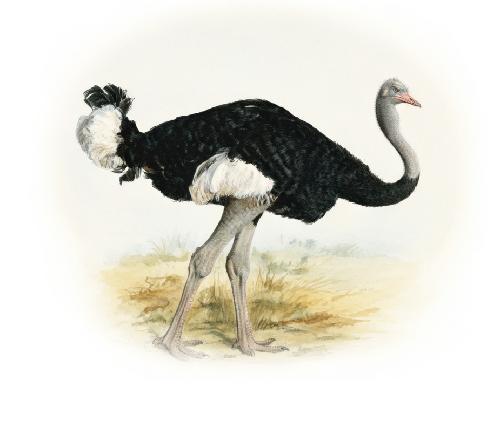
- somali ostrich
Traits and their opposites
Each trait of this archetype — and what is opposite to it.
- Resilience ↔ Fragility
- Nocturnal Essence ↔ Diurnal Essence
Find your most suitable archetypes
Archetypes are facets of personality and behaviour: sometimes a hamster, sometimes a lion. Take a test for yourself, a friend or a pet.