







The “green mamba” archetype
Cultural context
Across the forests and coastal woodlands of eastern Africa the green mamba slips through the collective memory of many peoples as an uninvited guest who never knocks twice. Villagers speak of a sudden emerald flash against sunlit leaves, a movement that stirs the hair on the arm and then vanishes before breath can be caught. The creature is neither worshipped nor cursed, only respected with a wary glance over the shoulder, for its silence can turn into a bright, cool strike that leaves the day forever altered. A single sighting is said to mark the moment when the ordinary course of events pauses and something sharper takes its place, urging everyone within reach to stay light-footed and ready for whatever comes next.
Scales
Tradition reads the mamba as a living border between the familiar and the forbidden: its presence warns that some knowledge is best left undisturbed, yet it also draws curious minds toward hidden depths where meaning lies coiled and waiting. Those who follow its trail sense an inner hunger to understand the world’s undercurrents, even when the answers sting. The same creature that keeps its distance can flare with sudden quarrelsomeness if pressed, a stubborn spark that refuses to yield ground. Beneath the guarded scales runs a current of self-first care, a refusal to surrender advantage for another’s comfort, paired with a light-footed willingness to break from old paths whenever a fresher one opens.
Core traits
Ominousness and baseness sit at the centre of the green mamba’s temper. A single glimpse of that green length sliding between branches can tighten every nearby throat, the body’s own alarm before the mind has named the danger. That same watchfulness sharpens the mamba’s own senses, letting it read the slightest shift in light or leaf, yet the aura it leaves behind is one of chill and separation; people step aside and conversations fall quiet. Behind the menace lies a darker pull: when fear rises, the snake turns to trick and ambush, choosing the shortest way to safety even if the path winds through broken trust or a neighbour’s loss, a habit born of constant exposure to sudden threats.
Strong traits
Fickleness runs through the mamba like wind through high grass, turning its course without warning. One moment the snake hangs motionless, tasting the air; the next it has already changed direction, sliding down a different branch as if the first had never existed. The gift of such speed is survival in a world where every shadow may hide a predator or rival, yet the same quicksilver habit leaves plans half-finished and bonds frayed, so that no other creature can predict where the mamba will rest at dusk or whose company it will seek tomorrow.
How to be around
To move safely near a green mamba, watch its stillness more carefully than its motion. Keep your own breathing even and your steps measured, giving the creature time to decide whether you belong among threats or among passing shadows.
With a woman
A woman shaped like the mamba keeps a private circle that others enter only when invited. She senses every unspoken intention long before words form, and any clumsy approach raises an invisible hood of caution. Speak as though the space between you were already marked sacred; leave the first move to her, and never press for closeness she has not offered. Her intuition guards more than her body—it guards a sense that some encounters should remain untouched—and when that boundary is honoured she may allow a brief, watchful conversation before she slides away again.
With a man
A man who carries the mamba’s temper moves through his day as if every path might hide an ambush, so he keeps his plans close and his words spare. He looks for the hidden meaning in every request, weighing whether help is offered freely or whether it carries a hidden price. When his search for deeper purpose feels threatened, he can shift from cooperation to quiet evasion without a visible sign. Offer only what you mean without flourish; if the gift is genuine and free of claim, he may accept it and, in time, repay it with the same guarded honesty.
With a teenage boy
A teenage boy with the mamba’s quickness changes his mind between one breath and the next, leaving yesterday’s promises scattered like shed skin. He argues fiercely when anyone tries to steer him, yet the same stubborn streak can dissolve the moment a fresher idea catches his eye. Give him room to turn; if you fix one course and insist upon it, he will slip sideways and vanish. When he feels free to pivot, he returns on his own terms, carrying whatever new plan now suits the shifting light.
With a teenage girl
A teenage girl of this temper keeps her own counsel and resents any claim laid upon her choices. She watches for the smallest sign that someone expects her to follow the group, and when she senses pressure she answers with silence or a sudden turn toward a different path. Let her set the pace of any shared plan; the moment she feels entitled to decide for herself, the cunning edge softens into wary cooperation rather than open defiance.
With a child
A child who moves like the mamba trusts first the space that belongs only to them. They test every new rule against their own comfort, discarding what feels borrowed from older customs. When they are allowed to keep their small territory untouched, they circle back on their own, bringing whatever discovery they have made while exploring alone.
With an animal
An animal green mamba keeps its enclosure in deliberate disorder, leaves and shadows rearranged each night according to no schedule an outsider can read. It notices every gentle shift in the air, the faint tremor of footsteps on the path outside its branch. Leave the arrangement as it is; any attempt to tidy or organise will be met with restless movement until the familiar pattern is restored.
After a quarrel
The green mamba flares when its private rhythm is broken by too many voices or too much light. A woman turns cold the moment someone claims a right to her attention without asking; a man withdraws into silence when his latest plan is questioned before it is finished; a teenage boy answers with sharp words if his sudden change of mind is mocked; a teenage girl meets group pressure with a quick, cutting remark; a child grows still and unreachable when their small refuge is invaded without warning; an animal strikes at the air when a hand reaches into its rearranged shadows without permission.
How to befriend
Friendship with the mamba begins in lightness and shared silence rather than long explanations. A woman warms when her quiet discoveries are met with a brief, appreciative glance and nothing more; a man stays close if the conversation moves like a game, each turn revealing a new layer without demanding trust outright; a teenage boy lingers when the next idea is allowed to replace the last without argument; a teenage girl returns when her independence is treated as natural rather than a challenge; a child opens when play is offered without any later claim on their time; an animal accepts company once the visitor has learned to sit still and let the shadows settle again.
Similar archetypes
Close facets: images with a similar set of qualities.
- Jameson's mamba
- western green mamba
- false bat
- common pipistrelle
- pygmy pipistrelle
- common pipistrelle
- serotine
- natterers bat
Complete opposite
The opposite facet: images whose qualities point the other way.
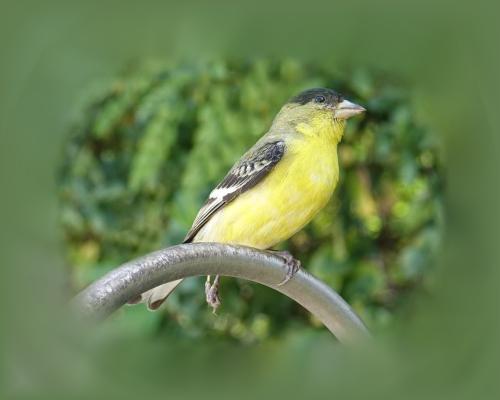
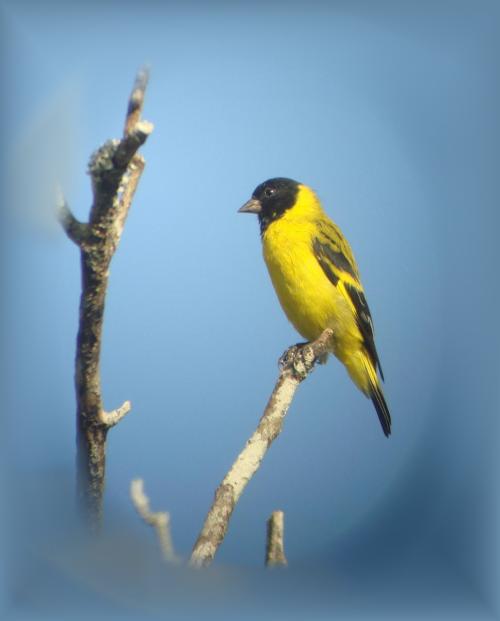
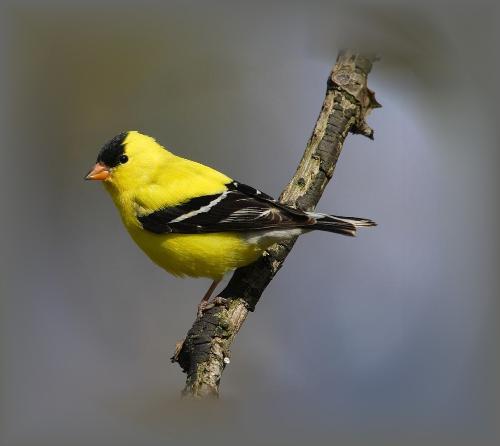
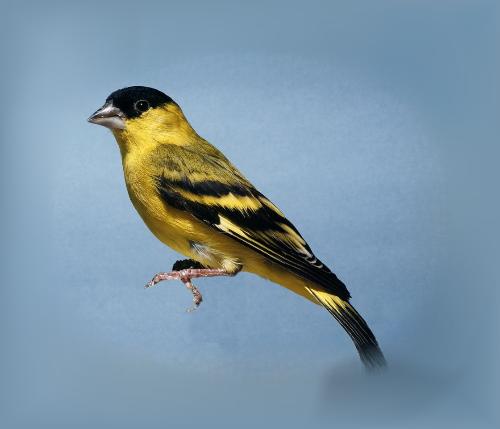
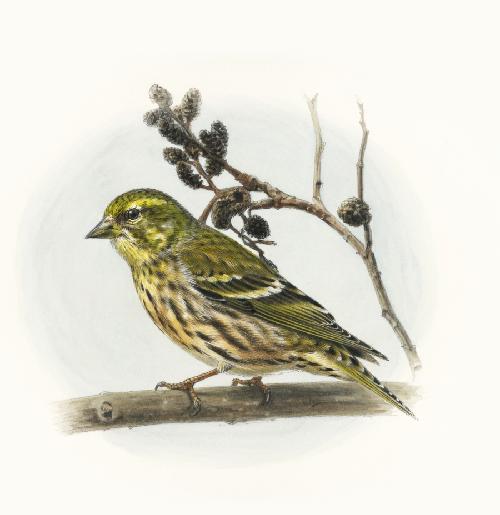
- eurasian siskin
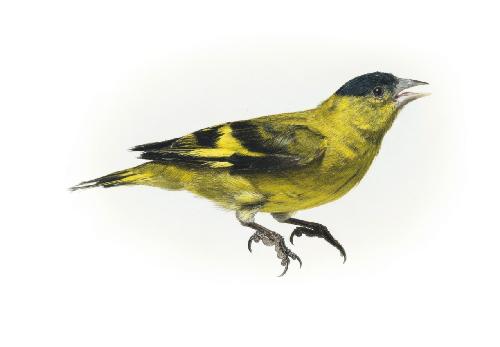
- Black-headed Siskin
- olivaceous siskin
- eurasian siskin
- eurasian siskin
- eurasian siskin
- eurasian siskin
- eurasian siskin
- eurasian siskin
- eurasian siskin
- hooded siskin
- eurasian siskin
- tibetan serin
- andean siskin
- yellow-bellied siskin
- saffron siskin
- lawrence's goldfinch
- brown lipped snail
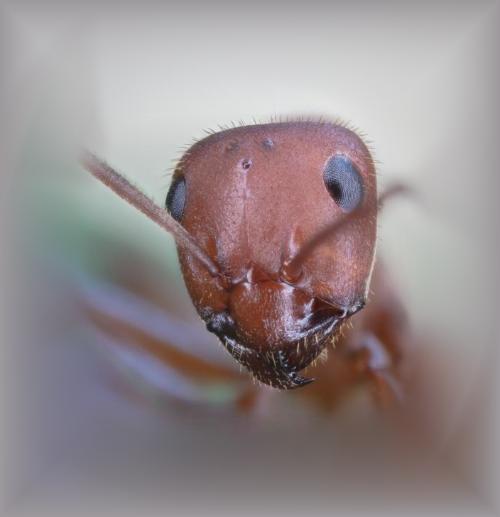
- red wood ant
Find your most suitable archetypes
Archetypes are facets of personality and behaviour: sometimes a hamster, sometimes a lion. Take a test for yourself, a friend or a pet.