










The “Boa” archetype
Cultural context
Folk imagination has always kept a wary respect for constrictors, and the red-tailed boa fits the pattern. People picture it as a patient keeper of its own ground: motionless for hours, then suddenly all coils. It is admired for composure and mistrusted for the very same reason, because nobody can tell what a quiet creature is calculating. Stories about such snakes tend to praise caution, thrift and the art of waiting, while warning that a protector can turn into a keeper of hostages. Trust is not handed out here; it is earned slowly, and vulnerability is something to hide rather than show. The boa's reputation rests less on loud deeds than on the sense that it always knows more than it says.
Scales
Read through its poles, the boa is a creature of cunning and entitlement rather than modesty: it assumes that whatever lies within reach belongs to it. Emotionally it runs cool and hard, more fortress than hearth, and its care goes first to itself. Disagreement turns into stubbornness instead of compromise. There is little rebellion in it; it prefers the established order, follows those who seem stronger, and treats the unfamiliar with suspicion, so novelty must prove itself before it is let in. Together these poles describe a being that conserves energy, warmth and goods, releasing them only on its own terms. Observers see either admirable discipline or a closed door, and the boa seldom bothers to correct them.
Core traits
Meanness is the bedrock of this archetype, and it usually grows out of fear. A boa that feels cornered will deceive, double-cross or quietly betray if that secures its own advantage. The price is steep: low self-regard, a trail of broken trust, and the lonely knowledge that nobody quite believes it. Yet the same trait carries a hidden strength. A boa that looks squarely at its darker impulses can learn from them, admit what it did, and become more honest than it ever planned to be. That slow climb out of the shadows is where the archetype turns most interesting, and where the people around it can play a real part.
Strong traits
Greed hums steadily behind every choice the boa makes. It is the instinct to gather resources and defend them when times turn hard, and it brings genuine foresight: this creature is rarely caught without a reserve. The shadow side is hoarding beyond need and a stiff hand whenever generosity is called for. Giving feels like losing a limb, so gifts are weighed, delayed and sometimes withheld altogether. The boa's task is to notice when the pantry is full enough, and to discover that something shared can return larger than it left.
How to be around
Dealing with a red-tailed boa goes best when you remember what sits behind the stillness: a sensitive creature afraid of losing what it has gathered. Be predictable. Keep your word, show up on the day you promised, and let affection appear in actions rather than declarations, which it meets with suspicion. Trust arrives in small instalments, and each one is recorded.
With a woman
If you live or work beside a woman-boa, learn to read her silences before trying to end them. Her coolness is armour over a sensitive core, so skip the interrogation and offer a small, concrete kindness: a cup of tea left at her elbow, a message saying you are around whenever she wants company. When she does speak, answer the point she actually made, briefly, without turning it into a conversation about feelings.
With a man
With a man-boa, talk terms. He distrusts vague goodwill and warms to a clear arrangement, so say plainly what you need, what he gets in return, and when. Honour the deal to the letter, and he will notice. If you want him to bend, propose a swap rather than a favour. Praise his foresight, such as the spare key he kept or the reserve he built, since that is the quality he is proudest of. Never ambush him with a surprise bill.
With a teenage boy
A teenage boy-boa tends to follow whoever looks strong, so the company he keeps matters more than any lecture. Put him beside someone he can admire, a coach, a mechanic, an older cousin with a workshop, and let the example do the talking. Afterwards ask one casual question about what he picked up. Skip the sermon about independence; he will build his own once he has something worth defending.
With a teenage girl
For a teenage girl-boa, the new is the hard part. She prefers the familiar route, the same friends and the same routine, and a sudden change can make her go silent. Invite her into one unfamiliar thing at a time, a pottery class or a different bus line home, and promise beforehand that a poor first attempt will remain a private matter. Praise the courage it took to show up rather than the result. Little by little the unfamiliar stops looking like a trap.
With a child
A child-boa often has a hiding place: a box of stones, a drawer of saved sweets, treasures under the bed. Do not mock it and do not raid it. Instead, invent games where giving away pays off, a shop where he sells you a toy and earns two tokens, a swapping round with siblings. When he shares something unprompted, name it aloud, "You gave your brother half, that was generous," and let him hear himself described that way.
With an animal
An animal-boa, especially a kept pet, is won through routine. Feed it at the same hour and in the same spot, and let it see your hand before it feels it. Move slowly around its enclosure and keep your voice low. When the coils tighten or the body goes rigid, take your hand away and wait; a retreat now buys a calmer handling session next week.
After a quarrel
To quarrel with a boa or get under its skin, it is enough to accuse it of stinginess before an audience, demand that it hand over what it has saved, or catch it in a lie and keep returning to it. Each role has its own sore spot. A woman-boa bristles at being called heartless; a man-boa cannot bear having his calculations exposed or his bargains reopened after the handshake. A teenage boy-boa hates being mocked in the hearing of those he looks up to, while a teenage girl-boa is stung when she is dragged into something new with spectators watching. A child-boa howls when a hoard is tidied away unannounced. An animal-boa answers a hand that reaches into its hiding place with a hiss, a tightened coil and a long, unforgiving stillness.
How to befriend
To befriend a boa or win it over, be reliably, almost boringly dependable. Turn up punctually, keep its secrets, and never ask for more than you can repay. A woman-boa warms to quiet evenings and a gift chosen with real attention; a man-boa respects a fair deal honestly concluded, and a partner who never tries to renegotiate it. A teenage boy-boa opens up to the mentor who treats him as an apprentice, and a teenage girl-boa to the friend who shares a small adventure without witnesses. With a child-boa, a secret hiding place known only to the two of you works wonders, and an animal-boa settles beside whoever brings a warm spot and an unhurried meal. Affection arrives late, but when it does it grips hard and lasts.
Similar archetypes
Close facets: images with a similar set of qualities.
Complete opposite
The opposite facet: images whose qualities point the other way.
- Duck
- Pelican
- common rorqual
- fischer's lovebird
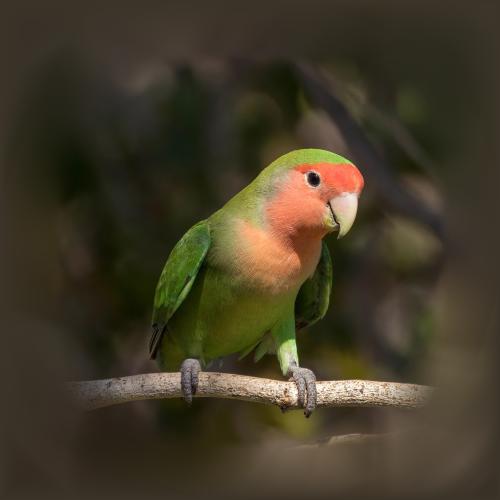
- rosy-faced lovebird
- black-winged lovebird
- yellow-collared lovebird
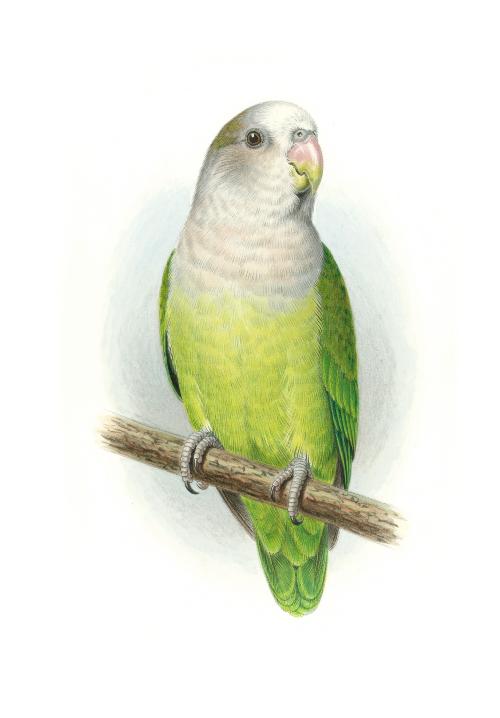
- grey-headed lovebird
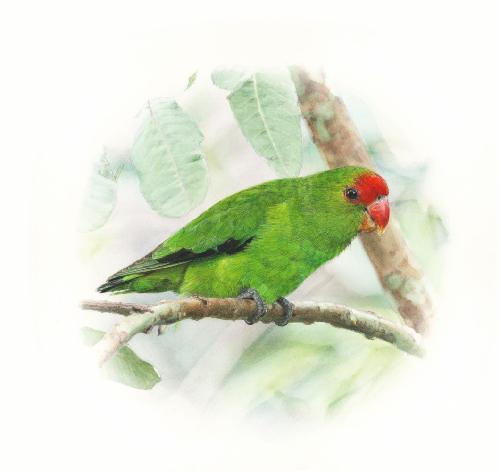
- red-headed lovebird
- black-collared lovebird
- rosy-faced lovebird
- black-cheeked lovebird
- nyasa lovebird
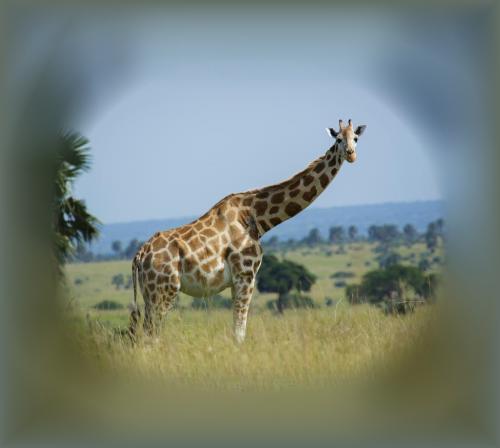
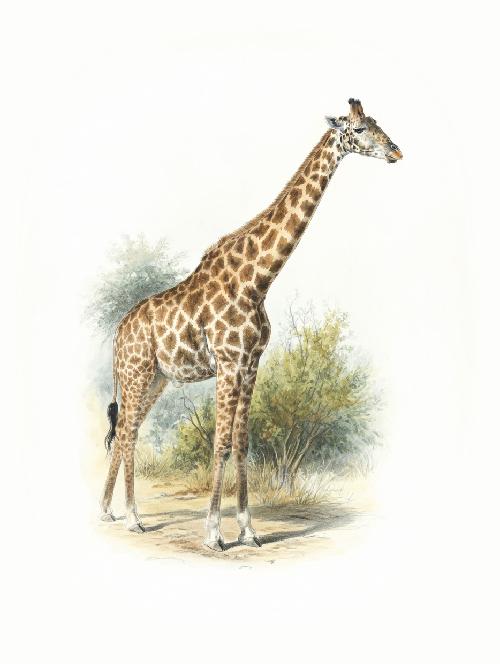
- giraffe
- rhodesian giraffe
- Angolan Giraffe
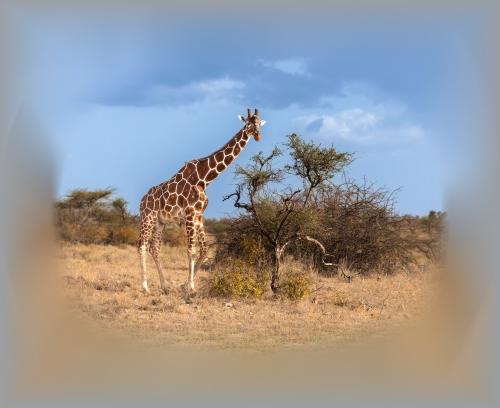
- Reticulated Giraffe
- Reticulated Giraffe
- Southern Giraffe
- Angolan Giraffe
- giraffe
- Quail
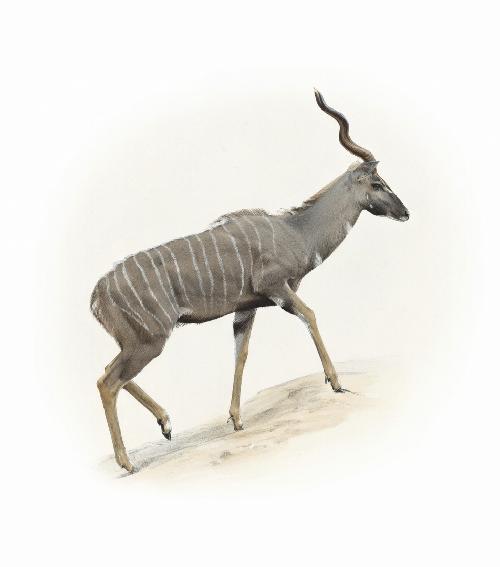
- Lesser Kudu
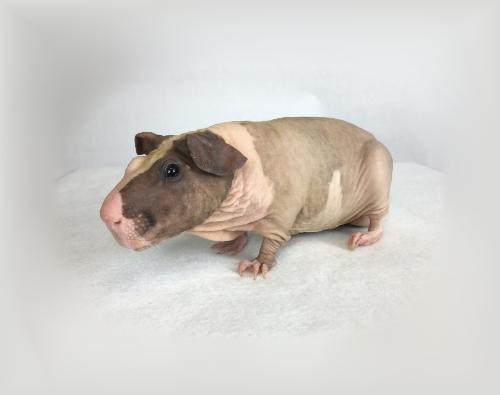
- Guinea pig
- Reindeer
- american bighorn
- East Asian Deer
- African Ostrich (female)
- Sheep
- wild boar
Find your most suitable archetypes
Archetypes are facets of personality and behaviour: sometimes a hamster, sometimes a lion. Take a test for yourself, a friend or a pet.