





The “rosy-faced lovebird” archetype
Cultural context
In the African grasslands the rosy-faced lovebird flits through thorn trees like a living ember, a small bird whose presence in village tales signals enduring fellowship. European households later welcomed the same creature into their homes, its quick flights and gentle chirps turning into emblems of constancy. People read its lifelong pair bond as proof that affection can survive drought and distance, and that a compact frame can still guard what matters most. The bird’s bright cheek patches became signs of warmth kept alive in the face of heat and hunger, a living reminder that loyalty can be small yet fierce.
Scales
Tradition reads the rosy-faced lovebird through modest living rather than display, an unpretentious creature that carries no crown yet finds its place without fanfare. Its movements suggest an inner search, a glance toward sky and nest alike, as though it seeks meaning in the rhythm of shared flight. Playfulness flickers in every dip and twirl, while resistance to outside pressure shows when the bird defends its chosen perch. Beneath these traits runs a gentle tolerance, a readiness to adjust to the flock without losing its own small voice, all stitched into a life of quiet, persistent presence.
Core traits
Loyalty sits at the core of the rosy-faced lovebird, a steady return to the same mate and nesting hollow even when winds shift or food runs scarce. The bird offers constant support, bringing fresh leaves or soft down to its partner without pause, yet it sometimes lingers too long beside old roosts, reluctant to explore fresh branches. In moments of hardship its closeness becomes a shelter, the quick beating of wings a promise that no one faces the storm alone, though the bird may forget its own rest while tending the nest.
Strong traits
Kindness runs through the rosy-faced lovebird in its habit of preening a tired companion and sharing choice seeds even when its own crop is half full. It forgives a clumsy landing or an accidental peck with a soft trill, yet the same generosity can leave it weary when every neighbour claims its time. The bird’s warmth draws others into a circle of trust, and its gentle beak-cleaning sessions create an atmosphere where quarrels dissolve quickly, though the effort sometimes leaves the small creature ruffled and quiet at dusk.
Noticeable traits
Jealousy appears in the rosy-faced lovebird as a swift dart between its mate and any newcomer, a bright flash of feathers meant to keep rivals at wing’s length. The bird’s attachment fuels this guard, giving strength to its protective stance, yet the same fear of loss can spark sharp chases and raised voices inside the aviary. Its loyalty turns fierce when threatened, but the tension that follows may leave the pair perched apart until calm feathers settle once more.
Muted traits
Weak-willedness shows itself as a gentle yielding when the flock shifts direction, the rosy-faced lovebird sliding into line rather than arguing over the next branch. This ease keeps daily life smooth, yet it sometimes means the bird follows another’s choice of roost even when its own nest lies elsewhere. Over time the pattern may cost the creature its favourite perch, reminding it that resilience grows only when the small heart learns to hold its ground.
How to be around
To live well beside a rosy-faced lovebird, notice how quickly it returns to its chosen companion and how its feathers rise at any hint of change. Offer steady presence rather than sudden rearrangements; a familiar perch and predictable feeding hour reassure the bird that its bonds remain safe.
With a woman
A woman whose heart echoes the rosy-faced lovebird finds comfort in familiar routines and a well-kept circle of friends. She shows loyalty by arriving on time and remembering small details, yet she may hesitate when new faces appear at the table. Offer her a simple, practical task such as sorting seeds or arranging nesting material, and trust her judgment without questioning the past attachments she still honours.
With a man
A man whose temper runs like the rosy-faced lovebird’s warmth meets every request with ready help, even when his own evening plans fade. He listens for the deeper reason behind a friend’s worry, offering quiet reassurance rather than quick fixes. When he forgets his own rest, a gentle reminder of shared meaning—perhaps a walk at dusk—helps him balance generosity with the inner bond he seeks.
With a teenage boy
A teenage boy whose spirit mirrors the rosy-faced lovebird may circle protectively around his closest friends, quick to notice any newcomer’s glance. His playfulness shows in sudden jokes and shared games that lighten tense moments, yet the same watchfulness can spark arguments if he fears losing his place. Invite him to invent a light-hearted challenge, letting humour steady the bond instead of sharpening suspicion.
With a teenage girl
A teenage girl whose nature carries the rosy-faced lovebird’s faint yielding may agree to plans she later regrets, adapting quickly to keep peace. Beneath that softness lies a quiet wish to resist outside pressure and to keep her word once given. Ask her to set the order of the afternoon’s tasks; the small act of responsibility strengthens her own resolve while honouring her gentle sense of duty.
With a child
A child whose days follow the rosy-faced lovebird’s gentle pace meets new playmates with tolerant curiosity, ready to share crayons or a swing. Their endurance shows when they keep building a block tower long after others have wandered off. Stand nearby with extra blocks and quiet praise; cooperation grows when their steady effort is noticed without hurry.
With an animal
An animal whose instincts echo the rosy-faced lovebird senses shifts in the room long before voices rise, its small head tilting at every change in tone. In company it may hop closer with quick, bright chirps, then retreat to a quiet corner when the gathering swells. Sit with it during a calm moment, offering a fingertip perch; the shared stillness deepens trust without demanding constant display.
After a quarrel
A quarrel with the rosy-faced lovebird begins when its honest attachment is doubted or its self-reliance brushed aside. A woman defends her circle with steady, pointed questions that demand fairness. A man stands firm, refusing to yield ground he has claimed for those he protects. A teenage boy falls into stubborn silence, guarding his friends like a private perch. A teenage girl answers with sharp reminders of broken promises, her tone carrying both hurt and truth. A child clings to a favourite toy or person, refusing to be moved until reassured. An animal raises its feathers and issues short warning calls, shielding its chosen space from any uninvited step.
How to befriend
To befriend the rosy-faced lovebird, show that you will share its small burdens without taking its strength away. A woman warms when you quietly help carry what she has already lifted for others. A man draws nearer once you acknowledge the quiet cost of his steady support. A teenage boy opens up during a shared game that values his effort more than victory. A teenage girl trusts you when you notice her tiredness and offer to finish a task together. A child feels safe when you simply sit beside their latest project, admiring without rearranging. An animal accepts your presence once you let it choose the distance, never forcing closeness upon its delicate frame.
Similar archetypes
Close facets: images with a similar set of qualities.
- fischer's lovebird
- rosy-faced lovebird
- black-winged lovebird
- yellow-collared lovebird
- grey-headed lovebird
- red-headed lovebird
- black-collared lovebird
- black-cheeked lovebird
Complete opposite
The opposite facet: images whose qualities point the other way.
- Bull shark
- Shark
- Rhinoceros
- Alligator
- amur tiger
- Barracuda
- Seagull
- Horsefly
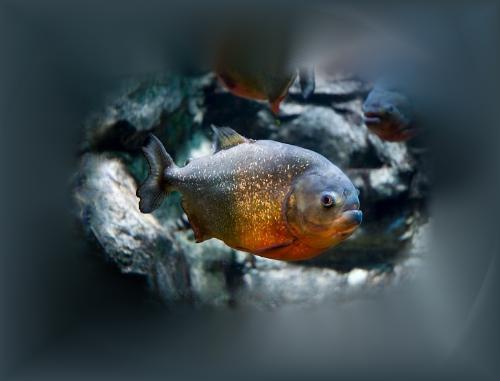
- Piranha
- Siberian Weasel
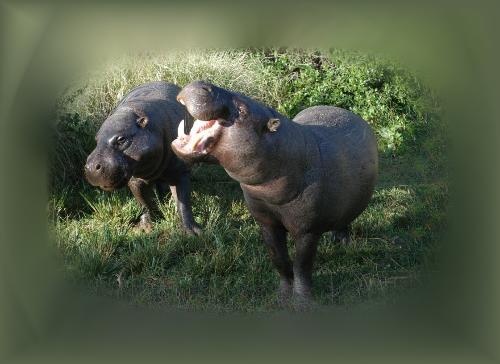
- pygmy hippopotamus
- Leopard
- beech marten
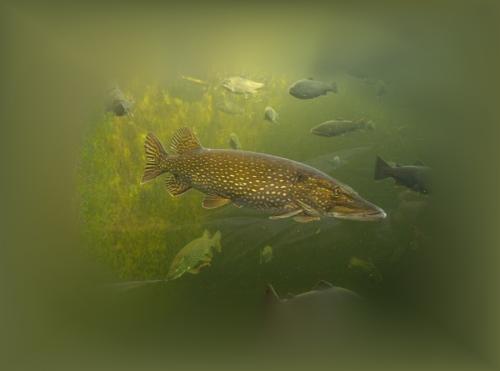
- Pike
Find your most suitable archetypes
Archetypes are facets of personality and behaviour: sometimes a hamster, sometimes a lion. Take a test for yourself, a friend or a pet.