





The “black-winged lovebird” archetype
Cultural context
In the highlands of Ethiopia the black-winged lovebird weaves its life around a single mate, a pairing so constant that the pair seems to breathe as one feathered heart. African watchers read this closeness as proof that bonds, once chosen, are meant to last beyond seasons or hunger. In Europe the same bird became a drawing-room emblem of constancy, its cage a small altar reminding owners that true affection refuses to stray even when walls are narrow and the light is borrowed.
Scales
Tradition sees the lovebird preferring the shade to any spotlight, content with one perch and one companion rather than the chase for rank. Its world is laced with quiet searching: a tilt of the head toward dawn light, a soft note answered across the aviary as though meaning lived in call and reply. It laughs easily at swinging toys, yet refuses to be crowded into someone else’s rhythm; when pressed it slips sideways, guarding its own small sky. Beneath the feathers lies a listening pulse that notices every shift of mood, a readiness to lend warmth even while the body itself stays slight and quick to tire.
Core traits
Loyalty sits at the center like a steady flame that neither wind nor distance can quite put out. The lovebird returns again and again to the same perch, the same voice, the same small rituals of preening and feeding, even when new branches offer themselves. Such constancy shelters those nearby through every thin season, yet it can also root the bird so firmly in yesterday’s corner that tomorrow’s open door goes unnoticed and its own hunger is left for last.
Strong traits
Kindness moves through the lovebird like warm air rising from sunlit leaves, offered without tally. It will edge along the perch to share a seed, accept a clumsy landing from a fledgling, or simply sit still while another bird rests against its side. The gift costs little to give yet can leave the giver light-headed when every request is met and none refused, until the evening finds the once-bright feathers drooping from too many generosities.
Noticeable traits
Jealousy arrives as a sudden flick of the wing, a quick turn of the head when an unfamiliar voice answers its mate’s call. The lovebird crowds closer, body a living shield between beloved and any possible rival, the same impulse that once guarded the nest now tightening into suspicion even in safe rooms. The fear of loss wears the shape of protection, yet the grip can bruise what it meant to keep safe.
Muted traits
Weak-willedness shows itself in a soft yielding, a quick step aside when the flock changes direction or the cage door swings open to a new arrangement. The lovebird follows rather than leads, adapts rather than argues, and sometimes forgets the route it once chose for itself. Over time the habit of giving way can leave it waiting on another’s decision, its own small plans folded away like unused wings.
How to be around
Approach begins with noticing how tightly the lovebird keeps to its chosen rhythm; any sudden rearrangement rattles the delicate balance of trust it has built. Move slowly, speak evenly, and let the bird set the distance until its crest lies smooth again.
With a woman
A woman whose heart follows the lovebird’s pattern offers the same unchanging presence day after day, carrying the household through illness or disappointment without being asked. She will stay late arranging tomorrow’s plans while her own rest waits, so notice the quiet labor and share one task before it grows too heavy. Because she asks little for herself, a small unprompted kindness reaches deeper than praise; still she may linger over old promises long after others have moved on, so gentle new plans help her step forward without feeling she has broken faith.
With a man
A man of this temper carries his devotion like a hidden lantern, its light steady yet easily hidden under routine. He will cancel his own plans to keep a promise or to ease another’s load, often before anyone notices the cost. Share an early walk or a simple project that lets the two of you move in rhythm; the shared motion speaks more clearly than discussion. In that rhythm he discovers fresh reasons for the bond, and his kindness finds air instead of burning away unnoticed.
With a teenage boy
A teenage boy shaped by the lovebird may shadow a friend through every hallway yet bristle if that friend’s attention drifts elsewhere. Turn rivalry into play: a quick game, a shared joke, a light contest that ends with laughter rather than score. The laughter loosens the jealous grip long enough for trust to stretch, and the boy learns that affection can survive a moment of distance.
With a teenage girl
A teenage girl who carries the lovebird’s softer will may agree to every group plan while her own wishes stay folded in her pocket. When the crowd decides on one path, invite her opinion first and accept whatever boundary she names, even if it is only a quiet half-hour alone. The small act of choosing reminds her that agreement need not erase her own direction, and the habit of order she already keeps gains a steadier center.
With a child
A child of this kind meets the world with open hands and a wish to keep everyone content. Offer two simple choices for the afternoon, then step back while the child settles the matter; the practice of deciding builds quiet strength without any scolding. Between bursts of running the child tires quickly, so a shaded bench and a shared piece of fruit restore both body and willingness to rejoin the game.
With an animal
An animal lovebird listens for the softest change in the room: a raised voice, a new footstep, the scrape of a chair. Keep the daily pattern steady, place the cage where it can watch without being stared at, and offer a fingertip perch only when the feathers stay smooth. The bird answers with a single clear note that carries both greeting and trust, and its small frame settles into calm rather than constant watchfulness.
After a quarrel
A quarrel begins when the steady mirror the lovebird holds up to its bonds is cracked by doubt or sudden change. Questioning a woman’s fairness in small daily matters pulls the ground from under her feet; doubting a man’s quiet self-reliance invites a wounded silence. A teenage boy answers with sharp wings if his honesty is brushed aside, while a teenage girl retreats when her modest efforts are mocked. A child shrinks from any hint that gentleness is weakness, and an animal flares at an unannounced hand inside its cage.
How to befriend
Friendship deepens when help is given without announcement and weakness is never made a spectacle. Sit beside a woman while she finishes one more task, offering only the second pair of hands; the shared work tells her the bond is worth the cost she already pays. Walk with a man through an ordinary errand so his steady pace is companioned rather than pitied. A teenage boy warms when you laugh at his newest, silliest joke; a teenage girl stays close if you notice the small, careful order she keeps in her corner. A child opens after one cooperative game where winning is shared; an animal settles when its cage is cleaned on the same hour each day and no sudden reach disturbs its rest.
Similar archetypes
Close facets: images with a similar set of qualities.
- fischer's lovebird
- rosy-faced lovebird
- yellow-collared lovebird
- grey-headed lovebird
- red-headed lovebird
- black-collared lovebird
- rosy-faced lovebird
- black-cheeked lovebird
Complete opposite
The opposite facet: images whose qualities point the other way.
- Bull shark
- Shark
- Rhinoceros
- Alligator
- amur tiger
- Barracuda
- Seagull
- Horsefly
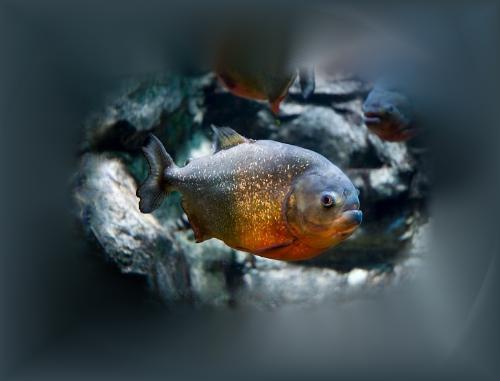
- Piranha
- Siberian Weasel
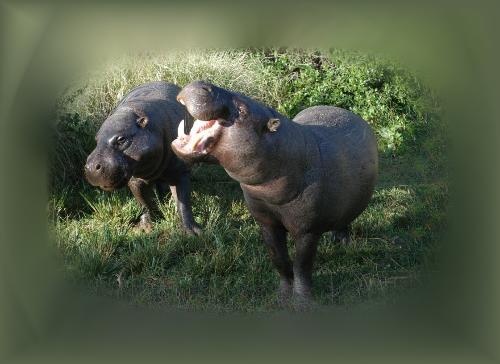
- pygmy hippopotamus
- Leopard
- beech marten
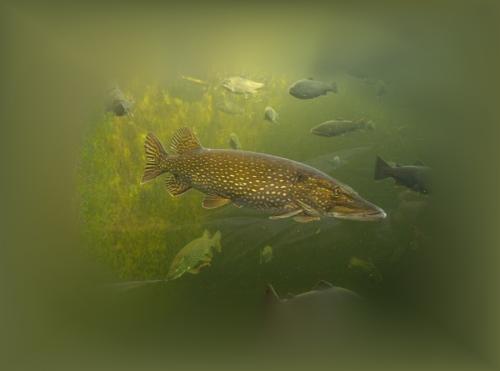
- Pike
Find your most suitable archetypes
Archetypes are facets of personality and behaviour: sometimes a hamster, sometimes a lion. Take a test for yourself, a friend or a pet.