





The “black-collared lovebird” archetype
Cultural context
Across the forests and edges of West Africa, the black-collared lovebird moves in tight, flashing pairs, wings brushing like whispered promises against the dusk. European households later adopted the same bird and began to read it as a keeper of intimate rooms, the small creature whose every feather seemed tuned to the rhythm of belonging. Stories of the region still remember how the bird clings to one chosen perch, the way a loyal shadow refuses to leave its outline even when the light shifts.
Scales
In these traditions the black-collared lovebird stands for an unpretentious heart that seeks a deeper bond rather than applause. Its play arrives in sudden loops of flight and bright notes that break the quiet, yet the bird resists being pulled from its chosen path by the flock’s noise. The creature remains gentle in company, modest in bearing, ready to share warmth while also guarding the small territory that holds its nest, a living lesson in balance between closeness and self-rule.
Core traits
Loyalty sits at the centre of the black-collared lovebird like the steady pulse inside a wing. The bird returns to the same mate and the same branch with unwavering precision, its small body a constant presence through storms and seasons. Yet this very constancy can fasten the creature to the memory of yesterday’s perch, making new branches feel foreign. In every rustle of feathers one senses a devotion that shelters others while sometimes forgetting its own needs for flight.
Strong traits
Kindness flows outward from the black-collared lovebird in soft, repeated gestures: a shared seed, a gentle preening at dusk. The bird readily accepts another’s small faults, offering warmth that turns the nest into a trusted haven. Such generosity, however, can leave the creature exposed when stronger neighbours press close, and the constant giving sometimes drains the small frame until its own song grows faint.
Noticeable traits
A noticeable thread of jealousy runs beneath the black-collared lovebird’s loyalty, surfacing whenever another bird approaches the chosen perch. The creature answers with quick, sharp calls that guard the pair’s space and time, its attachment fierce enough to flare into sudden quarrels. What begins as protective care can tighten into a grip that leaves little room for unexpected visitors or fresh winds.
Muted traits
Weak-willedness appears only as a faint tremor in the black-collared lovebird’s otherwise steady course. When the flock changes direction the bird may follow for a few wingbeats before circling back to its own branch, quietly yielding rather than raising its voice in protest. This pliancy keeps the nest peaceful yet risks letting outside wishes steer the bird away from its own small intentions.
How to be around
Near the black-collared lovebird one learns to move with measured steps, neither crowding the perch nor vanishing from sight. Offer the creature a steady presence, then step aside so it may settle its own feathers; the small heart steadies when it feels both company and choice.
With a woman
A woman who carries the black-collared lovebird’s spirit keeps faith with the people she holds dear, returning day after day with quiet constancy. She may linger over memories of shared seasons long after others have moved on, yet she still finds strength to steady a friend through hardship. Remember her unpretentious ways: bring a simple meal instead of grand promises, and let her decide when the past is ready to rest.
With a man
A man shaped like the black-collared lovebird offers help without announcement, the way a bird tucks an extra seed beneath its mate’s beak. He may stretch his generosity until his own strength thins, seeking in each act of care a quiet meaning that ties him to something larger than himself. Listen for that inner search: ask what truly matters to him before offering aid, so the gift does not become another weight.
With a teenage boy
A teenage boy whose temper echoes the black-collared lovebird will guard a chosen friend or pastime with sudden, bright intensity, laughter flaring one moment and suspicion the next. Let him keep his playful contests and light jokes; they soften the fear that someone might slip away. When the edge of jealousy shows, stand nearby without claiming the game yourself, and the storm passes like a quick wingbeat.
With a teenage girl
A teenage girl touched by the black-collared lovebird’s weaker resolve may slip into another’s plan simply to keep the peace, her own wishes folding like feathers in a sudden breeze. Yet a spark of resistance lives in her when the circle grows too loud; respect both the quiet yielding and the moments she draws her own line. Give her time to arrange her day in order, and the small rebellions will stay gentle.
With a child
A child who mirrors the black-collared lovebird meets the world with open hands and a ready smile, willing to share toys or take the longer path if it pleases a friend. Their small frame tires quickly after bursts of eager play, so notice when the steps grow slower and offer a quiet seat in the shade. In that patient company the child learns cooperation without losing the steady beat of their own curiosity.
With an animal
An animal bearing the black-collared lovebird’s mark listens for every shift in voice or light, its small body tuned to the feelings moving through the room. It may answer a newcomer’s greeting with quick, bright chatter, then retreat to its corner once the voices rise. Keep the space calm and the rhythms familiar; the creature settles best when both its senses and its solitude are honoured.
After a quarrel
The black-collared lovebird answers most sharply when truth is softened or its chosen circle is treated as common ground. A woman will bristle if her steady word is doubted in small daily matters; a man withdraws when his careful plans are brushed aside without discussion. A teenage boy grows loud if his private game is laughed at by the group, while a teenage girl turns silent when her careful arrangements are rearranged without consent. A child sulks if a promised turn is taken by another, and an animal ruffles when its resting corner is entered without warning.
How to befriend
Friendship with the black-collared lovebird deepens when help is given without display and strength is never assumed. A woman warms to quiet company that asks nothing in return; a man trusts the friend who notices when his voice grows thin from giving. A teenage boy draws closer during shared laughter that leaves room for his own jokes, and a teenage girl values the steady presence that lets her choose her own pace. A child feels safe when games end at the first sign of weariness, and an animal settles when its modest needs are met before they are spoken.
Similar archetypes
Close facets: images with a similar set of qualities.
- fischer's lovebird
- rosy-faced lovebird
- black-winged lovebird
- yellow-collared lovebird
- grey-headed lovebird
- red-headed lovebird
- rosy-faced lovebird
- black-cheeked lovebird
Complete opposite
The opposite facet: images whose qualities point the other way.
- Bull shark
- Shark
- Rhinoceros
- Alligator
- amur tiger
- Barracuda
- Seagull
- Horsefly
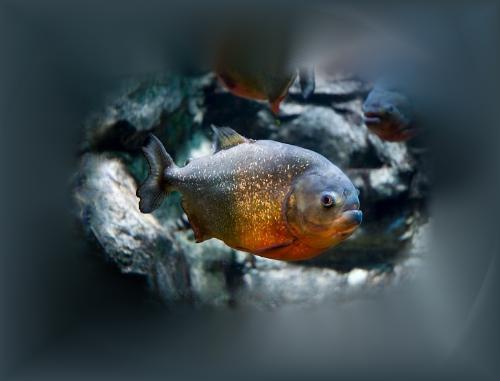
- Piranha
- Siberian Weasel
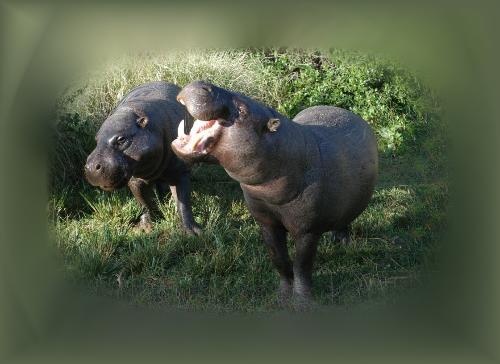
- pygmy hippopotamus
- Leopard
- beech marten
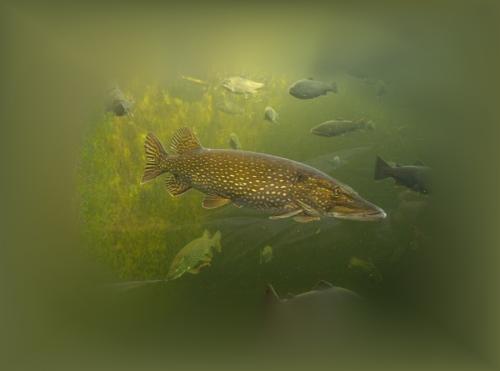
- Pike
Find your most suitable archetypes
Archetypes are facets of personality and behaviour: sometimes a hamster, sometimes a lion. Take a test for yourself, a friend or a pet.