



















The “ring-necked parakeet” archetype
Cultural context
Across the sunlit bazaars of Africa and the riverine groves of Asia, the rose-ringed parakeet has long carried the colour of ripe mangoes and the sound of market chatter. Its green feathers flash like polished jade in morning light, and the sharp ring around its neck gleams like a coin thrown into the crowd. Villagers in those lands still speak of the bird as a living ribbon of talk that ties neighbour to neighbour, carrying news from courtyard to courtyard before the day cools.
Scales
Tradition reads the rose-ringed parakeet as a creature drawn to beauty, colour and the quick spark of conversation; it moves through open spaces with restless curiosity and a mind that likes to turn each seed of an idea until the shell cracks. The bird keeps its own rhythm, yet never strays far from the flock it joins at dusk, balancing the pleasure of company against the quiet pull of its own perch. It values honest exchange over spectacle and holds its word the way it grips a branch—light enough to shift, firm enough not to fall.
Strong traits
Brightness lights the rose-ringed parakeet like sunlight striking water: every dull branch suddenly seems worth a second glance when the bird begins to call. Eloquence flows through its throat as easily as wind through palm leaves, shaping thoughts into swift, persuasive notes that sway the listener before the sound fades. Sociability drives the bird from tree to tree, gathering listeners the way a breeze gathers petals, yet the constant exchange can leave its wings trembling with fatigue long after the last voice has settled.
Noticeable traits
Wisdom gathers slowly in the rose-ringed parakeet, built from watching which fruits ripen first and which storms pass overhead. The bird learns to wait for safer branches, though hesitation sometimes costs it the ripest prize. Noisiness, on the other hand, bursts from its beak at every new sight, scattering warnings and gossip alike until the whole grove rustles with shared excitement and, occasionally, with the irritation of those who prefer the shade to remain undisturbed.
How to be around
To move well with a rose-ringed parakeet, meet its gaze without hurry and answer its questions before they grow restless. Notice when the bird’s chatter begins to circle the same branch twice; that is the moment to offer a single clear word rather than another flight of words.
With a woman
When a woman carries the rose-ringed parakeet’s brightness, she draws others toward her the way a lamp draws moths at dusk, yet the steady glow can leave her drained if no one dims the wick. Speak to her first about colour, scent or line—the aesthetic details she notices at once—and let the conversation settle before you ask for anything heavier. A quiet nod to the beauty she has already pointed out will steady her faster than any grand compliment.
With a man
A man who speaks with the rose-ringed parakeet’s eloquence can turn a single sentence into a path others willingly follow, yet the same tongue may bend a story toward advantage if left unchecked. Listen for the moment he invokes an old custom to steady an argument; that loyalty to tradition is the safest ground on which to meet him. Offer your own view only after he has finished shaping his, and keep your words short enough to honour the silence he rarely claims for himself.
With a teenage boy
A teenage boy who moves like the rose-ringed parakeet gathers friends the way the bird gathers flock-mates at sunset, yet the same pull toward company can scatter his attention before a task is finished. Invite him into a new game or skill rather than pressing him to sit alone with his thoughts; his energy returns quickest when shared. If the project grows heavy, be the first to lend a hand so he learns that help does not diminish his own strength.
With a teenage girl
A teenage girl whose mind works with the rose-ringed parakeet’s wisdom watches every exchange for the hidden kernel of truth, and she will wait—sometimes too long—before she risks a wrong step. Ask her to explain what she sees rather than telling her what she should do; her analysis deepens when it is treated as valuable. When she hesitates, a single gentle question about the next small choice is usually enough to loosen the branch she clings to.
With a child
A child who carries the rose-ringed parakeet’s noisiness fills a room the way sudden rain fills a dry riverbed—sudden, bright, impossible to ignore. Let the laughter rise and then fall on its own; only when the sound begins to scrape against the walls should you offer a quieter corner and a single toy that needs no audience. The child will return to play once the air has settled again.
With an animal
An animal rose-ringed parakeet seeks meaning in the smallest changes of light across its cage bars and will test every latch that promises escape. Give it branches of different heights and textures so the daily flight feels like discovery rather than confinement. When it resists a new perch, do not force the move; let the bird choose its own height once the room grows quiet.
After a quarrel
The rose-ringed parakeet remembers a slight the way it remembers the exact shape of a favoured seed: small, precise, and never quite forgotten. A woman will feel the sting if her word is doubted in front of others; a man will bristle when his strength is treated as decoration rather than fact. A teenage boy takes offence if his latest plan is laughed at before it leaves his mouth, while a teenage girl withdraws when her careful observations are brushed aside as chatter. A child turns silent the moment a favourite story is cut short mid-sentence, and an animal will bite the next hand that reaches for its perch without warning.
How to befriend
Friendship with the rose-ringed parakeet grows from the same steady habits the bird uses to keep its feathers sleek and its nest hidden. A woman warms to anyone who remembers the small details she mentioned days earlier; a man stays close to those who keep their promises without flourish. A teenage boy returns to the person who lets him set the pace of a shared task, while a teenage girl trusts the listener who waits for her to finish a thought. A child bonds with the adult who joins the game without rewriting its rules, and an animal will accept a new perch only after watching the giver place it with careful, unhurried hands.
Similar archetypes
Close facets: images with a similar set of qualities.
- yellow-naped amazon
- galah
- monk parakeet
- alexandrine parakeet
- chattering lory
- coconut lorikeet
- slaty-headed parakeet
- white cockatoo
Complete opposite
The opposite facet: images whose qualities point the other way.
- Cockroach (domestic, red)
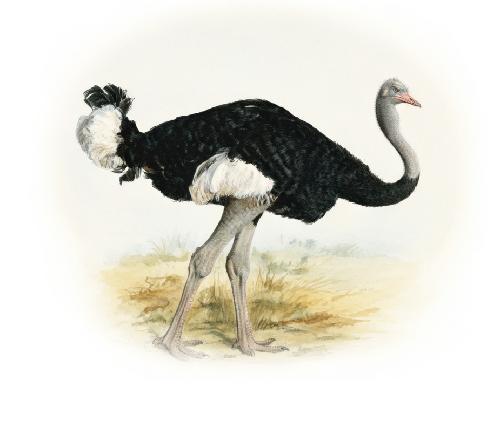
- somali ostrich
- common european toad
- Bed bug
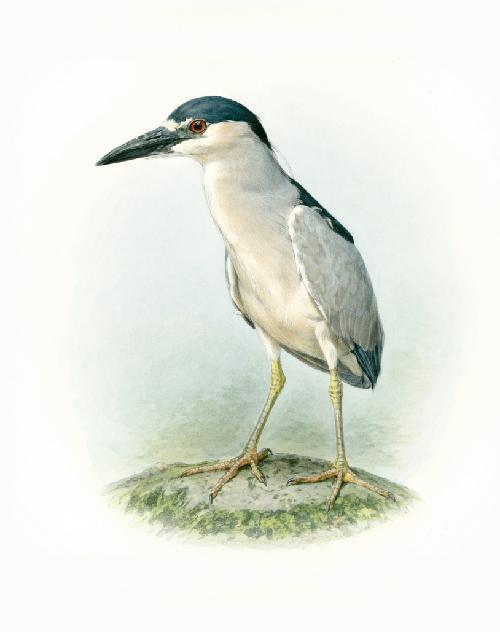
- black-crowned night heron
- Human Flea
- Dog Flea
- Oriental Rat Flea
- Hen Flea
- Northern Rat Flea
- chigoe flea
- Hedgehog Flea
- new zealand bat flea
- Martin Flea
- cat flea
- Ceratophyllus farreni
- Chaffinch Flea
- Rabbit Flea
- Mouse Flea
- sticktight flea
- Squirrel Flea
- Sparrow Flea
- Amalaraeus dissimilis
- Northern Flea
- Ceratophyllus chasteli
Find your most suitable archetypes
Archetypes are facets of personality and behaviour: sometimes a hamster, sometimes a lion. Take a test for yourself, a friend or a pet.