



















The “galah” archetype
Cultural context
Across the sun-baked grasslands of Australia, the rose-breasted cockatoo flashes like living petals against red earth and eucalyptus haze. Aboriginal storytellers and later settlers alike have watched it wheel in tight flocks, voices clanging like iron on iron, and have taken the bird for a living emblem of quick conversation, unlooked-for resilience and the stubborn pull of company. When its cry rises from the trees, listeners once read the sound as a promise of good rain or an approaching visitor; when the bird fell silent, the quiet itself seemed an omen. Over generations the same feathered figure has flown through campfires and painted canvases, carrying the message that life sharpens where voices meet.
Scales
Tradition therefore finds in the rose-breasted cockatoo an eye that lingers on the curve of a wing against sky, a readiness to sweep into any gathering and stir its rhythm, an appetite for whatever new fruit or stranger call drifts on the wind. The mind behind the crest weighs each perch and flight path with a craftsman’s patience, then turns the finding into play, testing colours and tones until the flock answers. A modest honesty colours its displays; it boasts no borrowed feathers and yields its place when another proves the stronger claim. Yet it keeps its own counsel about when to leave the circle, and its days follow a rhythm that blends order with the sudden leap of freedom.
Strong traits
Brightness rides at the front of every movement: the rose-breasted cockatoo lands on a fence rail and the whole yard seems to tilt toward it, shadows lifting into sudden colour. Words pour from the beak in long, rolling arcs that can coax a rival down from a higher branch or draw an entire flock into sudden unison. That same current of presence draws others close, turning separate birds into a single wheeling body; still, the constant blaze of attention can leave the singer itself ruffled and short of breath when the last echo fades.
Noticeable traits
Years of watching weather and rival flocks have lent the rose-breasted cockatoo a quiet store of judgments; it waits on the high limb until wind and wing speak the same sentence, then drops without hurry. Yet the same bird cannot keep the discovery to itself; the moment the thought forms, the crest lifts and the news rattles out across the clearing, whether the clearing asked for it or not.
How to be around
Approach the rose-breasted cockatoo by matching its pace: stay alert to sudden flights of interest, answer quickly when invited, and step back without protest when the bird folds its crest and turns away.
With a woman
A woman whose manner carries the cockatoo’s brightness will light any ordinary task until even washing dishes feels like theatre; watch how colour returns to her face when she describes what she has made, and let that glow guide your praise rather than any list of improvements. Notice the line of her wrist as she rearranges a bowl of fruit; she has already judged its balance, and a single admiring word about that balance opens the door wider than any suggestion could.
With a man
A man quick with the cockatoo’s tongue will steer conversation the way a river steers its banks; give him room to shape the current and he will carry the whole table with him. When custom matters, he will quote the old saying without prompting, so meet him on that ground first and any later request for change will land more softly.
With a teenage boy
A teenage boy of this feather draws friends the way a bright leaf draws wind; let him introduce the next game or the next song, and he will fold you into the circle before either of you notices the invitation. Offer to help carry the extra load when the game grows heavy, and he will remember the gesture long after the score is forgotten.
With a teenage girl
A teenage girl listens the way the cockatoo listens—head tilted, crest half-raised—before she answers; ask what she has already turned over in her mind and she will unfold the thought slowly, trusting the patience she sees in you. When she chooses silence over the easy reply, honour the choice; agreement grows best in that quiet interval.
With a child
A child of the same stripe turns every room into an aviary of sound; give the child a drum or a handful of coloured stones and the noise will shape itself into play without further instruction. When the laughter crests and the child pauses for breath, the same vitality that filled the air will settle into steady, careful stacking of blocks until the next gust arrives.
With an animal
An animal rose-breasted cockatoo will test the latch on its cage until the hinge answers; respect that search for an inner order by offering a branch angled exactly as it prefers, and the bird will settle into its own chosen rhythm without further coaxing.
After a quarrel
The rose-breasted cockatoo meets conflict the way it meets rain: feathers slicked, crest high, every line honest. A woman will meet your eye and state the plain fact that stung her; a man will square his shoulders and expect the next move to be equally direct. A teenage boy answers a slight with louder laughter meant to restore the balance of the group; a teenage girl withdraws her voice until the slight is named and removed. A child drops the toy that now feels tainted and waits for it to be restored; an animal flares its wings and holds the disputed perch until the intruder yields.
How to befriend
Friendship with the rose-breasted cockatoo rests on the same two feet that keep its balance on a swaying branch: the freedom to choose its own perch and the steady habit of returning to it. A woman values the friend who keeps her counsel when asked and offers it only when invited; a man measures loyalty by whether his plans are remembered and carried out. A teenage boy opens when another shares the work without taking the lead; a teenage girl trusts the one who keeps a private promise. A child stays close to the adult who lets the story finish before turning the page; an animal accepts the hand that waits for the crest to rise before offering the seed.
Similar archetypes
Close facets: images with a similar set of qualities.
- yellow-naped amazon
- ring-necked parakeet
- monk parakeet
- alexandrine parakeet
- chattering lory
- coconut lorikeet
- slaty-headed parakeet
- white cockatoo
Complete opposite
The opposite facet: images whose qualities point the other way.
- Cockroach (domestic, red)
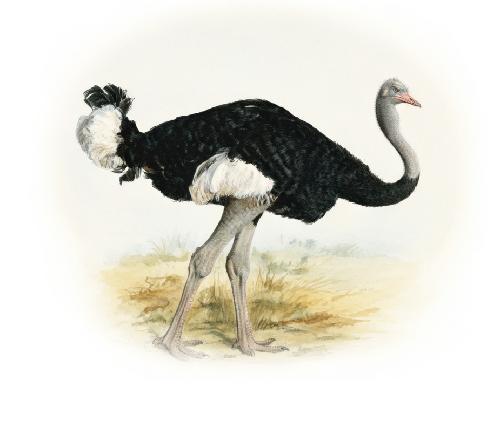
- somali ostrich
- common european toad
- Bed bug
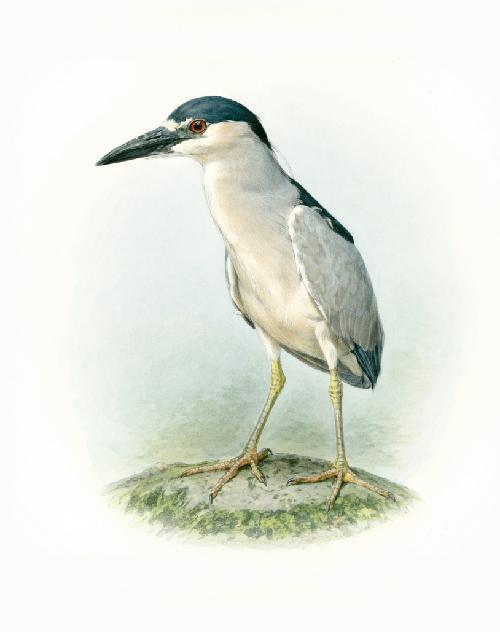
- black-crowned night heron
- Human Flea
- Dog Flea
- Oriental Rat Flea
- Hen Flea
- Northern Rat Flea
- chigoe flea
- Hedgehog Flea
- new zealand bat flea
- Martin Flea
- cat flea
- Ceratophyllus farreni
- Chaffinch Flea
- Rabbit Flea
- Mouse Flea
- sticktight flea
- Squirrel Flea
- Sparrow Flea
- Amalaraeus dissimilis
- Northern Flea
- Ceratophyllus chasteli
Find your most suitable archetypes
Archetypes are facets of personality and behaviour: sometimes a hamster, sometimes a lion. Take a test for yourself, a friend or a pet.