



















The “coconut lorikeet” archetype
Cultural context
Across the rain-lashed forests of South America, the humming markets of Africa and the bright Australian coast, the green-naped lorikeet drifts through a living spectrum of voices and colours. Old stories from those places praise the bird as the spark that turns a quiet clearing into a carnival of calls and a swirl of feathers. People who watch it see how quick laughter can stitch together strangers and how a single bright wing can light an ordinary dusk.
Scales
In these traditions the green-naped lorikeet embodies a gaze that delights in sun on a rain-wet leaf as much as on polished jade. It moves freely among others, yet the noise never drowns its hunger for fresh discovery or its taste for turning ideas like polished stones in the palm. When custom is offered, the bird tastes it lightly, like nectar on the tongue, but it still keeps its own rhythm and its own patch of sky.
Strong traits
Where the green-naped lorikeet lands, light seems to shift; its presence alone can turn a dull branch into a stage for quick jokes and sudden songs. Words pour from it in liquid loops, each phrase shaped to carry others along the current of its thought. Its laughter draws companions like petals to nectar, and the flock answers with a hundred small wings beating in time.
Noticeable traits
Beneath that bright chatter lies an older knowledge: the bird has watched storms rise and petals fall, and it waits before it leaps. Yet the same throat that holds such patience can flood the canopy with a sudden torrent of calls, scattering every quiet thought for a while.
How to be around
Meet a green-naped lorikeet in its own weather—let the conversation flash and rest like sunlight through moving leaves, and watch how silence fits between the bursts of colour when it suddenly drops to the ground to sip nectar from an open blossom.
With a woman
When a woman moves like a green-naped lorikeet, every colour she chooses feels chosen for joy; step back while she arranges petals or spices into quick, surprising patterns that lift the whole room. If the glow begins to tire her, offer a shaded corner rather than another lamp. Notice how she pauses to admire an uneven line of shadow across the table, and let that moment breathe.
With a man
A man whose speech carries the lorikeet’s quicksilver tongue wins agreement before the sentence ends; let him steer the story for a while, then match his cadence with one clear reply that still honours the path he has already opened. When the talk turns toward older customs, he listens with a nod that keeps yesterday’s thread intact while he tests tomorrow’s knot.
With a teenage boy
A teenage boy who gathers friends the way a green-naped lorikeet gathers sunlight needs room to swing from one idea to the next; ask him once for his latest plan and then simply walk beside him while he explores it. If he offers to carry someone else’s load without being asked, accept the gift and hand it back lighter than before.
With a teenage girl
A teenage girl who watches storms the way a green-naped lorikeet studies wind will weigh every word you offer; give her time to circle the question before she answers. When she chooses silence, it is not emptiness but the slow turning of thoughts, and a gentle answer that respects that turning keeps trust alive.
With a child
A child whose laughter rings like a sudden flight of lorikeets will turn even the quietest afternoon into a playground of sound; join the game with a rhyme or a made-up rule and watch the circle widen. When the noise finally drops, the same child will rest with the deep stillness of wings folded after long flight.
With an animal
An animal that seeks its own small patch of morning light will test every new perch before it settles; place the perch where it can watch the sky alone and let the ritual of arrival belong to the bird alone.
After a quarrel
A green-naped lorikeet flares when its open wing is clipped by a lie or when its quick flight is forced into someone else’s narrow lane. A woman will freeze mid-song if her colours are called false. A man will beat the air with sharp syllables if his strength is mocked in public. A teenage boy turns his back and walks away if his honest effort is laughed at. A teenage girl grows suddenly still if fairness is denied. A child bursts into a storm of tears when its small truth is brushed aside. An animal answers with a sudden clash of wings if its body is crowded past endurance.
How to befriend
To stand near a green-naped lorikeet is to respect the line it draws around its own sky. A woman draws closer when her choices are left untouched. A man trusts the hand that waits until he offers his own. A teenage boy warms to the quiet witness who never hurries his story. A teenage girl answers the listener who remembers her pauses. A child returns to the friend who keeps the game exactly as it was begun. An animal settles when its cage is left open at the hour it chooses.
Similar archetypes
Close facets: images with a similar set of qualities.
- yellow-naped amazon
- ring-necked parakeet
- galah
- monk parakeet
- alexandrine parakeet
- chattering lory
- slaty-headed parakeet
- white cockatoo
Complete opposite
The opposite facet: images whose qualities point the other way.
- Cockroach (domestic, red)
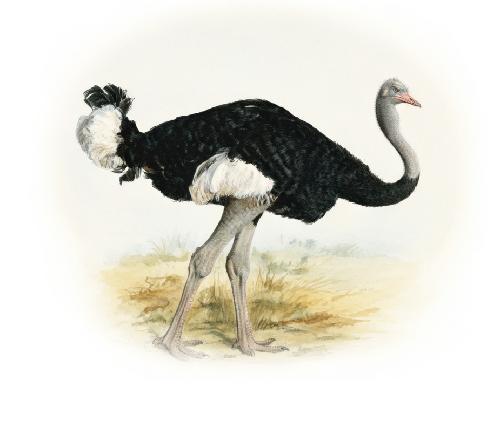
- somali ostrich
- common european toad
- Bed bug
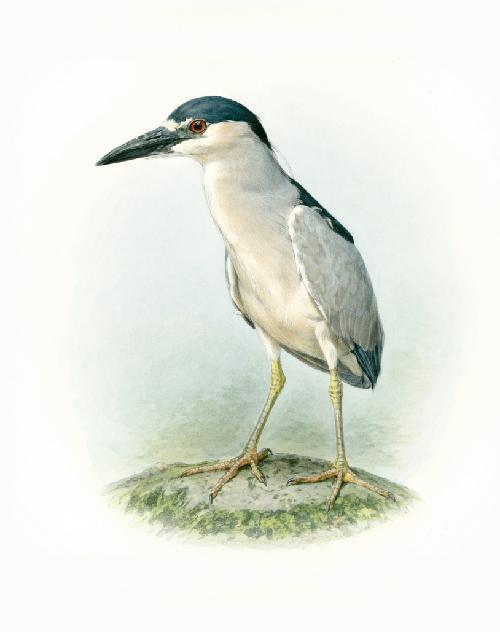
- black-crowned night heron
- Human Flea
- Dog Flea
- Oriental Rat Flea
- Hen Flea
- Northern Rat Flea
- chigoe flea
- Hedgehog Flea
- new zealand bat flea
- Martin Flea
- cat flea
- Ceratophyllus farreni
- Chaffinch Flea
- Rabbit Flea
- Mouse Flea
- sticktight flea
- Squirrel Flea
- Sparrow Flea
- Amalaraeus dissimilis
- Northern Flea
- Ceratophyllus chasteli
Find your most suitable archetypes
Archetypes are facets of personality and behaviour: sometimes a hamster, sometimes a lion. Take a test for yourself, a friend or a pet.