



















The “slaty-headed parakeet” archetype
Cultural context
Across the forested foothills of Africa and the arid plateaus of Australia, the Psittacula himalayana threads its emerald wings through shifting leaves and sudden shafts of sun. Village tongues turn its piercing calls into living rumor, the way bright beads are passed hand to hand in open markets. In Australian tales the bird becomes a restless courier, threading horizon to horizon with a single long breath. In African stories its voice stitches strangers into one listening circle. Wherever it flies, it carries the scent of ripe fruit and the echo of distant laughter.
Scales
The Psittacula himalayana moves like a living ribbon of light that refuses to stay folded. Its eye lingers on the patterned grain of bark, the flash of sun on a wet wing, and it answers that beauty with its own deliberate flourish. In company it leans forward, feathers half-spread, ready to join whatever song or quarrel the flock offers. Curiosity tugs it toward unfamiliar fruit and strange melodies, while a steady inner thread keeps it circling back to the flock’s shared rhythm. It weighs each new leaf with a bright, measuring glance, then tucks the discovery into its repertoire of calls.
Strong traits
Brightness ignites the moment the Psittacula himalayana alights, turning an ordinary branch into a stage where every feather seems lit from within. Eloquent bursts of sound ripple outward, each note chosen so that listeners lean closer, their own voices falling quiet. Sociability draws other birds in widening rings around the favored perch; wings brush, eyes meet, and a shared pulse quickens. Yet the same light can tire the singer, and envy flickers among those who stand too long in its glow.
Noticeable traits
Wisdom gathers slowly in the bird’s patient pauses between outbursts; it learns which calls carry warning and which merely stir the air. Noisiness, however, keeps breaking through the silence, scattering the flock into sudden chatter when dusk has barely begun. The parrot pauses, head cocked, as though weighing whether one more bright syllable is worth the ripple of irritation that follows.
How to be around
To move in step with the Psittacula himalayana, keep your own voice ready yet measured, and answer each flourish with an honest reply rather than applause. Offer an open perch for its stories, then step back when the bird needs the quiet branch of its own thoughts.
With a woman
A woman whose temper carries the Psittacula himalayana’s brightness will flood an ordinary afternoon with sudden color—rearranging crockery into a mosaic or turning market gossip into theater. She grows restless if no one answers that light, yet too much applause can leave her hollow by evening. Notice the curve of her wrist when she lifts a cup, the way she chooses the brightest scarf for market day; tell her the light suits her without asking her to dim it for anyone else.
With a man
A man whose speech echoes the Psittacula himalayana’s eloquence will steer conversations the way a strong wind moves leaves, shaping agreement before others notice. He respects the old market routes and the stories told at the same hour each evening; do not interrupt his telling, yet feel free to add your own line once the rhythm is set. His words travel farther when they rest on yesterday’s custom rather than today’s novelty.
With a teenage boy
A teenage boy who carries the Psittacula himalayana’s sociability will drift from one courtyard game to the next, collecting friends the way a vine collects sunlight. He tires only when the courtyard empties; give him a task that needs two hands and three opinions, then let him bring the others. When he returns alone at dusk, leave a corner of the bench empty so he can sit without explanation.
With a teenage girl
A teenage girl whose gaze holds the Psittacula himalayana’s wisdom watches the older women first, measuring each gesture before she copies it. She hesitates at the edge of a new path until she has traced it twice in her mind; do not push. Let her finish the sentence she began yesterday, and answer with a quiet question rather than a ready answer.
With a child
A child who carries the Psittacula himalayana’s noisiness wakes the house with questions before the kettle has boiled. The same voice gathers playmates under the mango tree at noon, yet can drown out softer talk at twilight. Answer every shouted discovery with one clear word, then sit on the step until the next wave of sound rolls in.
With an animal
An animal whose days follow the Psittacula himalayana’s inner search will pause on the highest perch each morning, head tilted toward the first thin light. It resists any hand that tries to steer its flight path, yet returns to the same corner of the cage when the room grows still. Place a single bright bead near the bars and step away; it will decide whether the gift belongs to its own story.
After a quarrel
The Psittacula himalayana answers a slight with a sudden storm of syllables, each one aimed like a flung seed. A woman feels the sting when her story is cut short mid-flight; she will raise her voice until the room remembers who began. A man takes offense if his judgment is doubted in front of listeners; his next sentence will correct rather than explain. A teenage boy answers with quick, mocking laughter that hides the bruise. A teenage girl goes silent, feathers drawn tight, until the slight is named aloud. A child stamps and wails, the sound itself the only protest it knows. An animal flares its wings and raps the perch, every movement declaring its own unbroken line.
How to befriend
Friendship with the Psittacula himalayana begins when you leave space for its own decisions and notice the small order it keeps. A woman draws closer when you remember the pattern of her scarf and the name of the bird she once freed. A man stays when you ask his view only after he has finished arranging the day’s route. A teenage boy trusts the friend who joins the game without keeping score. A teenage girl stays when you wait for her to finish a thought before you speak. A child returns to the friend who answers every shouted question with one patient word. An animal settles when its corner remains untouched and its morning perch is left in sunlight.
Similar archetypes
Close facets: images with a similar set of qualities.
- yellow-naped amazon
- ring-necked parakeet
- galah
- monk parakeet
- alexandrine parakeet
- chattering lory
- coconut lorikeet
- white cockatoo
Complete opposite
The opposite facet: images whose qualities point the other way.
- Cockroach (domestic, red)
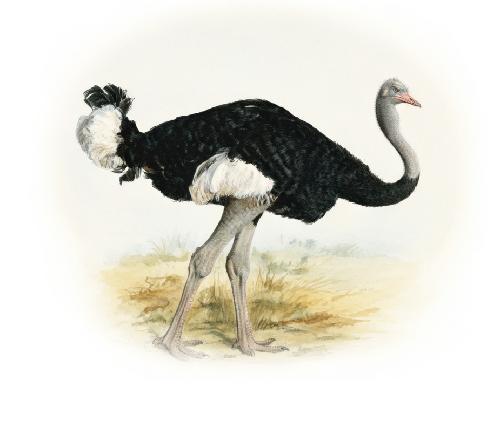
- somali ostrich
- common european toad
- Bed bug
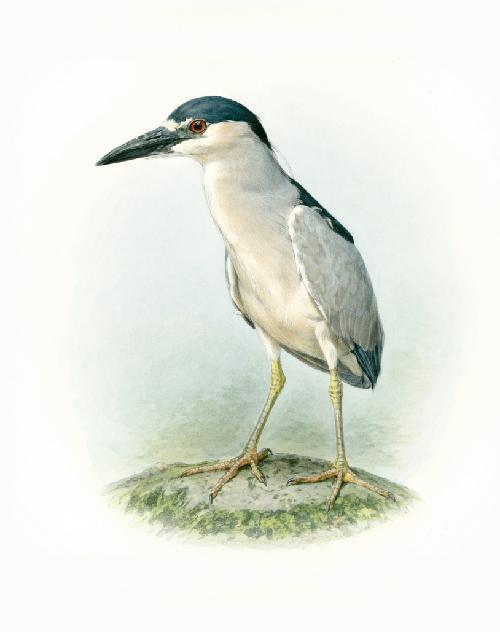
- black-crowned night heron
- Human Flea
- Dog Flea
- Oriental Rat Flea
- Hen Flea
- Northern Rat Flea
- chigoe flea
- Hedgehog Flea
- new zealand bat flea
- Martin Flea
- cat flea
- Ceratophyllus farreni
- Chaffinch Flea
- Rabbit Flea
- Mouse Flea
- sticktight flea
- Squirrel Flea
- Sparrow Flea
- Amalaraeus dissimilis
- Northern Flea
- Ceratophyllus chasteli
Find your most suitable archetypes
Archetypes are facets of personality and behaviour: sometimes a hamster, sometimes a lion. Take a test for yourself, a friend or a pet.