



















The “white cockatoo” archetype
Cultural context
Across South American festivals, African village squares and the red dust of Australian plains the White-crested Cockatoo flashes into stories like a sudden flare of sunlight on white rock. People there once pictured the bird as a living trumpet, loud enough to wake rain clouds or summon the spirits of the dead. In South American markets its crest bobbed above dancers like a white banner in the heat; in African courtyards its cries were said to carry news from the unseen world; on Australian ridges the same voice threaded through Dreamtime songs, half laughter and half warning. The bird still keeps that double note today: a burst of sound that startles, then lingers like the memory of bells.
Scales
The White-crested Cockatoo carries an almost fierce delight in beauty, so that the gloss of its own feathers or the clean line of a branch can lift its mood the way a breeze lifts a kite. It moves through crowds without shyness, feeding on the hum of voices and quick glances, yet it also watches new places with sharp interest and returns to them the next day to test them again. Its mind turns over ideas as easily as it turns seeds, pulling them apart until nothing is left hidden. Play keeps the edge from growing too sharp, and a quiet thread of meaning runs beneath every antic, tying the bird to something larger than the branch it grips.
Strong traits
The White-crested Cockatoo lights up any room the way a sudden lamp turns dusk into noon; its presence draws faces and laughter before it has said a word. When it speaks, the words land with the weight and music of small brass bells, persuasive enough to tilt whole conversations. It gathers others the way wind gathers leaves, spinning a quick, shared excitement that keeps the group turning and bright. Yet the constant shine can tire the bird itself, and the same sparkle sometimes leaves a faint sting of envy among quieter companions who stand in its glow.
Noticeable traits
Experience has taught the White-crested Cockatoo to read the weather in a room before it lands, so its counsel often arrives after the noise has settled. It waits, patient as a branch that bends only when the wind is sure. At the same time the bird still loves the sound of its own voice, and the crest rises with every fresh opinion. The volume can scatter smaller thoughts the way a sudden downpour scatters petals, until the speaker learns to fold the crest again and let silence finish the thought.
How to be around
The White-crested Cockatoo answers best to steady attention that meets its brightness without trying to outshine it. Speak clearly, listen for the moment the crest lifts or settles, and let the conversation move at the bird’s own pace rather than pressing it into quiet corners.
With a woman
A woman who carries the White-crested Cockatoo’s brightness watches how light falls across ordinary objects, turning a cracked cup or a length of thread into something worth noticing. When she talks about what she sees, the room seems to rearrange itself around her words. Ask her what pattern she has spotted today; the question keeps the light moving outward instead of turning back on her and wearing her thin. If the shine begins to draw sideways glances, shift the talk to something she can admire rather than something she must perform.
With a man
A man whose tongue moves like the White-crested Cockatoo’s can thread an argument so neatly that listeners nod before they notice they have agreed. He keeps old phrases polished and ready, yet he also feels the pull of custom that asks him to repeat the same stories at the same table each season. Let him finish the tale; then offer one fresh sentence that still honours the ending he chose. The respect for what has already been said steadies the persuasion before it slips into mere performance.
With a teenage boy
A teenage boy with the White-crested Cockatoo’s sociability gathers friends the way a branch gathers white blossoms, each arrival announced by laughter loud enough to cross the yard. He spends energy freely on the group, then suddenly needs the shade of a single task no one else shares. Offer him the corner of a project that still belongs to the team; the small patch of solitude inside the circle lets him rest without leaving the warmth. When he begins to drift toward the door, a single open question keeps the thread without tying him down.
With a teenage girl
A teenage girl who moves with the White-crested Cockatoo’s measured wisdom studies a quarrel the way a bird studies the grain of a branch, finding the place where pressure will not split it. She weighs each word twice before releasing it, yet the same habit can freeze her at the edge of a choice. Sit beside her while she traces the grain aloud; do not hurry the tracing. The silence that follows her last sentence is not emptiness but the pause in which the next step becomes visible to her.
With a child
A child whose voice carries the White-crested Cockatoo’s bright noise fills a room the way a sudden shower fills a tin roof, every drop a separate exclamation. The energy pulls others into the game, yet the same volume can drown the quieter players. Place a small drum or a length of ribbon in the child’s hands; the object absorbs part of the sound and gives the play a shape that others can enter. When the ribbon drops and the child grows still, the stillness itself becomes part of the rhythm rather than a rebuke.
With an animal
An animal White-crested Cockatoo lifts its crest at first light as though testing the air for an unseen signal, then settles only when the signal feels true. It will not be crowded into someone else’s rhythm; the cage door left slightly open is enough invitation. Keep the daily order of perches and seed bowls steady, and the bird will choose its own moment to step closer rather than being coaxed. The small rebellion of a turned back is not anger but the bird’s way of keeping its own counsel inside the shared space.
After a quarrel
The White-crested Cockatoo keeps its word the way a white feather keeps its gloss, and it expects the same clean surface from others. When that surface is clouded by half-truths or sudden force, the crest rises like a warning sail. A woman feels the slight as a smudge across her own bright feathers and answers with a single polished sentence that leaves no room for doubt. A man hears his plan questioned while his hands are still busy and meets the interruption with a louder repetition of the original order. A teenage boy whose strength is still growing meets any shove with an answering push that is all wing and no calculation. A teenage girl whose fairness has been overlooked answers with a silence so exact that the slight stands out like ink on paper. A child whose body is still learning its own force meets the taking of a toy with a sudden crest-flare and a cry that fills the whole room. An animal whose daily round has been broken by an unexpected hand meets the change with a quick, hard peck that says the boundary has been crossed.
How to befriend
The White-crested Cockatoo trusts its own balance the way a bird trusts the give of a thin branch, and it respects anyone who lets that balance remain. A woman draws nearer when the conversation returns to something she has already made beautiful with her attention. A man stays when a shared task keeps its original shape and does not demand he rearrange it on the spot. A teenage boy finds the door left open at the same hour each evening and begins to arrive without being asked. A teenage girl accepts an offered ribbon or sketchbook without any demand that she explain what she will do with it. A child settles when the same song is sung at the same moment each night, the repetition itself a kind of promise. An animal accepts a perch placed at exactly the same angle day after day, the unchanged angle becoming the first steady note in a growing duet.
Similar archetypes
Close facets: images with a similar set of qualities.
- yellow-naped amazon
- ring-necked parakeet
- galah
- monk parakeet
- alexandrine parakeet
- chattering lory
- coconut lorikeet
- slaty-headed parakeet
Complete opposite
The opposite facet: images whose qualities point the other way.
- Cockroach (domestic, red)
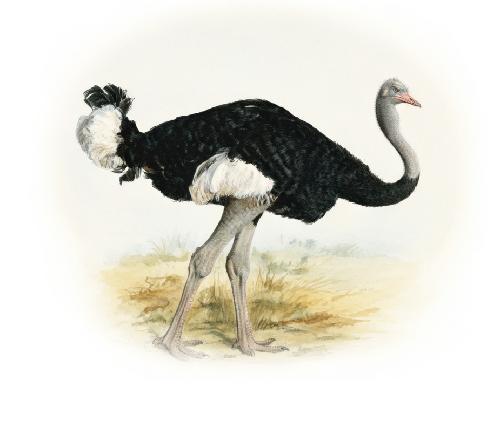
- somali ostrich
- common european toad
- Bed bug
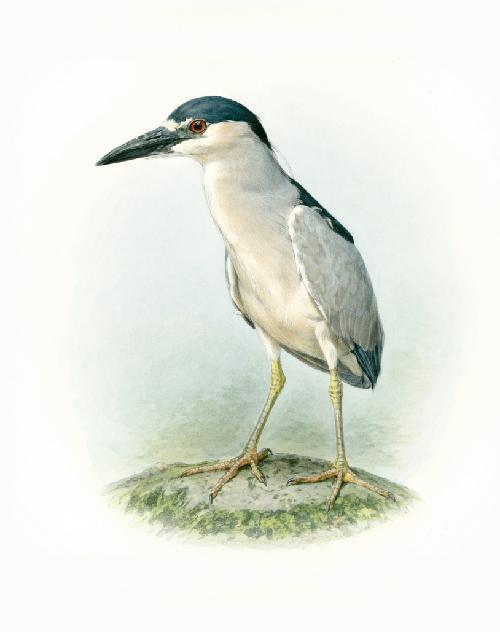
- black-crowned night heron
- Human Flea
- Dog Flea
- Oriental Rat Flea
- Hen Flea
- Northern Rat Flea
- chigoe flea
- Hedgehog Flea
- new zealand bat flea
- Martin Flea
- cat flea
- Ceratophyllus farreni
- Chaffinch Flea
- Rabbit Flea
- Mouse Flea
- sticktight flea
- Squirrel Flea
- Sparrow Flea
- Amalaraeus dissimilis
- Northern Flea
- Ceratophyllus chasteli
Find your most suitable archetypes
Archetypes are facets of personality and behaviour: sometimes a hamster, sometimes a lion. Take a test for yourself, a friend or a pet.