









The “blossom-headed parakeet” archetype
Cultural context
Across African riverine groves, South American jungle clearings and Australian river red gums the blossom-headed parakeet carries its own quiet legend. Tribes that live beneath those same canopies remember the bird’s clear, chiming calls as the speech of unseen kin. A hunter who hears that voice at dawn may shorten his stride, trusting the bird to know the day’s weather and the whereabouts of ripe fruit. In markets the same parrot is traded for its skill at catching human words, becoming a living token of wit passed from one household to the next. Such stories leave the creature standing between forest canopy and village hearth, bright as lacquered fruit yet quick as gossip on the wind.
Scales
Tradition sees the bird as a creature that cannot help noticing beauty: the glint of sun on a rain-wet leaf or the exact shade of a ripening fig. Where others keep to the shade, the blossom-headed parakeet steps into the light, wings half-spread, ready for whatever the hour offers. Its thoughts run deep, turning every strange sound into a question worth answering. Yet the same bird knows the weight of custom; it returns each evening to the same roost tree, and it will not abandon a nest-mate even when the flock moves on. In this balance of daring and loyalty the archetype finds its place: a neighbour to the wind, a guardian of its own small circle.
Strong traits
Brightness burns in the parrot like pollen in strong sunlight: wherever it lands, faces turn, conversations lift, and the air seems lighter for its presence. Its eloquence flows like quick water over stones, shaping every phrase so that listeners lean closer without quite knowing why. Sociability is its daily weather; a lone bird will seek another within minutes, sharing calls that carry across the canopy until the whole grove feels awake and stirred. Yet the very light that draws others can tire the bearer, and the same persuasive tongue may bend a listener’s ear too far if honesty slips for a moment.
Noticeable traits
Wisdom gathers slowly in the bird’s bright eye, learned from watching storms pass and fruit ripen at their own pace. That patience keeps the flock calm when a branch cracks or a hawk circles, yet it can also delay flight when the moment calls for speed. Noisiness travels with the wisdom: the parrot announces itself with sharp, ringing notes that bind scattered birds into one moving cloud. The chorus lifts spirits, but if the calls grow too insistent the grove falls briefly silent, as though the leaves themselves ask for rest.
How to be around
To move easily beside this bird, keep the perch steady and the light kind. Watch how it tilts its head toward colour and sound, then match your own pace to that tilt; sudden gestures or crowding will only send the feathers flicking away.
With a woman
A woman who carries the parrot’s brightness will brighten an entire room without meaning to, so meet her first with an open question about something beautiful she has noticed lately. Let her answer fill the space; do not rush to match it with your own story. When the talk lengthens and her voice grows softer, offer a quiet corner rather than another round of company, for the very energy that draws others can leave her pale at the edges if she cannot step away.
With a man
A man who speaks with the parrot’s eloquence shapes opinions as easily as the bird shapes a stolen phrase. Give him a clear subject and listen without interrupting; your silence is the room in which his words settle. If he begins to steer the conversation toward an older custom or family habit, follow that thread rather than steering it elsewhere, for loyalty to such patterns sits close to his sense of rightness even when new ideas tempt him.
With a teenage boy
A teenage boy who lives inside the parrot’s sociability will collect friends the way the bird collects bright seeds, yet he may forget the single task waiting on his desk. Ask him once about the project, then let him choose the hour; if he drifts back toward company, a single raised eyebrow is enough reminder. When he offers to carry part of someone else’s load, accept the offer without protest, for the willingness to spend his own time on another is the quiet gift he rarely names.
With a teenage girl
A teenage girl who holds the bird’s wisdom watches longer than she speaks, and her caution can keep the whole group from leaping too soon. When choices appear, let her name the risks first; her measured pace protects more than it delays. Offer agreement in small, exact words rather than sweeping praise, for she values the precision that shows you have truly weighed her thoughts.
With a child
A child who carries the parrot’s noisiness fills every quiet minute with questions and songs, binding playmates into a single bright circle. Let the circle form, then place a single soft toy or coloured cloth nearby; the child will return to it when the voices grow too loud, restoring balance without being told. The same child can chase one game until legs tremble, so keep water and shade within reach and trust the burst of energy to fade on its own.
With an animal
An animal that bears the parrot’s inner bond with the world will pause on its perch to watch light move across a wall as though reading a message there. Keep that perch steady and away from sudden voices; the creature will settle only when the air around it feels purposeful rather than empty. If it turns its head sharply toward a sound you cannot hear, stay still and let the moment pass; resistance to noise is its own quiet declaration of independence.
After a quarrel
Friction rises most quickly when the bird’s honest eye meets a careless word or when its steady wings are forced into unsteady air. A woman will flare if her colour sense is mocked or her eye for beauty dismissed. A man grows sharp when his practiced speech is cut short by someone who will not hear the full phrase. A teenage boy turns cold if his friends are scattered just as the shared task begins to cohere. A teenage girl withdraws when her careful weighing of risk is brushed aside for speed. A child stamps when a favourite toy is snatched mid-flight. An animal will bite the glove that reaches too suddenly into its chosen corner.
How to befriend
Friendship deepens when the bird’s self-chosen rhythm is left untouched and its daily order is quietly honoured. A woman draws nearer if you notice the exact hue she has chosen for the day and say nothing more than a single appreciative word. A man stays close when you hand him the next clear sentence in a conversation and wait for him to finish it. A teenage boy warms when you leave the workbench exactly as he arranged it and simply ask what he discovered while working alone. A teenage girl trusts you once you repeat her measured plan back to her without adding haste. A child feels safe if the toy shelf remains in the same order each morning. An animal settles when its water dish is filled at the same hour and the perch rail stays free of sudden hands.
Similar archetypes
Close facets: images with a similar set of qualities.
- yellow-naped amazon
- ring-necked parakeet
- galah
- monk parakeet
- alexandrine parakeet
- chattering lory
- coconut lorikeet
- slaty-headed parakeet
Complete opposite
The opposite facet: images whose qualities point the other way.
- Cockroach (domestic, red)
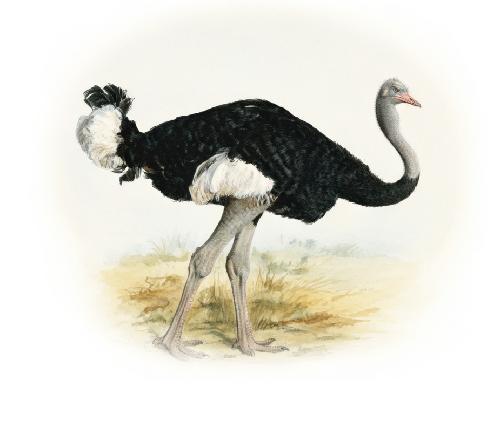
- somali ostrich
- common european toad
- Bed bug
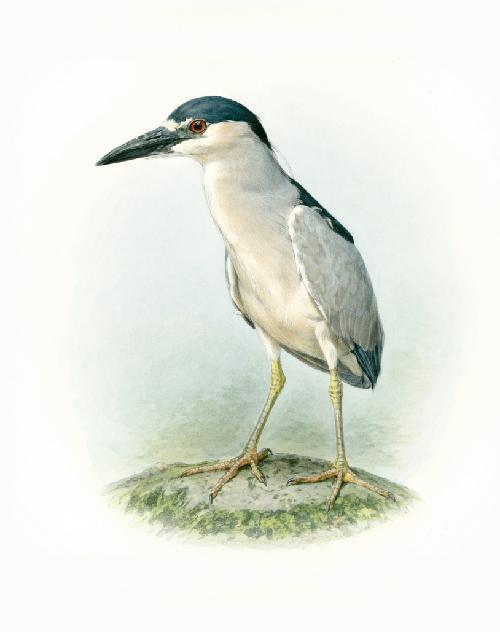
- black-crowned night heron
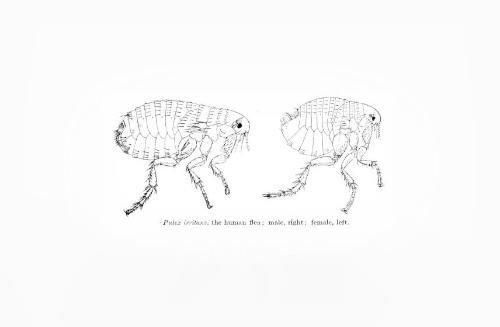
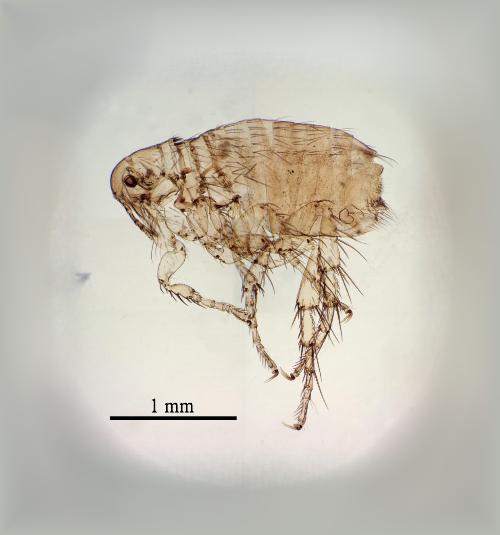
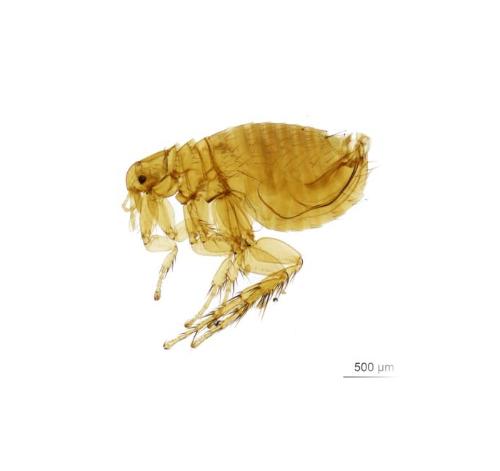
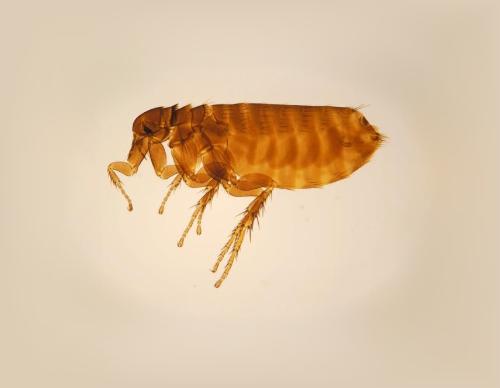
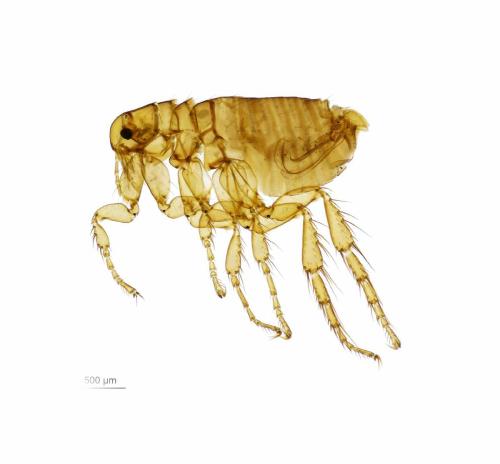
- Human Flea
- Dog Flea
- Oriental Rat Flea
- Hen Flea
- Northern Rat Flea
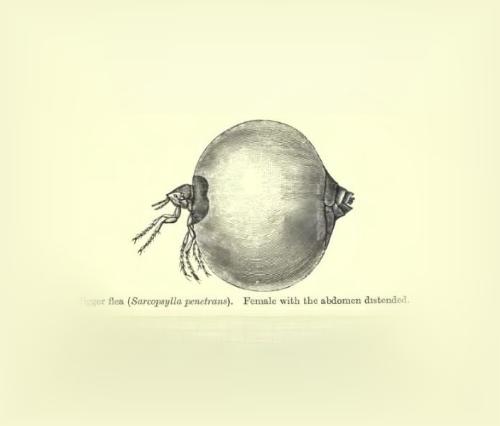
- chigoe flea
- Hedgehog Flea
- new zealand bat flea
- Martin Flea
- cat flea
- Ceratophyllus farreni
- Chaffinch Flea
- Rabbit Flea
- Mouse Flea
- sticktight flea
- Squirrel Flea
- Sparrow Flea
- Amalaraeus dissimilis
- Northern Flea
- Ceratophyllus chasteli
Find your most suitable archetypes
Archetypes are facets of personality and behaviour: sometimes a hamster, sometimes a lion. Take a test for yourself, a friend or a pet.