



















The “blue-crowned hanging-parrot” archetype
Cultural context
In the markets of South America, the villages of Africa and the scattered clearings of Australia the blue-crowned hanging parrot threads a bright thread through the air. Its rapid flight becomes a living exclamation, a voice that stitches one tree to the next and turns the afternoon into a shared conversation. People there prize the sound of living exchange, the quick laughter that carries news and gossip the way breeze moves pollen, and they watch the bird as a model for how a single note can kindle a whole chorus. Yet the same eyes see more than noise; they sense in the parrot’s pauses a quiet ledger of remembered routes, of storms survived and seasons tasted, the kind of knowing that needs no trumpet to be respected.
Scales
Tradition pictures the blue-crowned hanging parrot as a creature that reads the world first through colour and shape, drawn to the curve of a leaf or the glint of dew as if the eye itself were tasting them. It moves toward company the way water seeks a channel, carrying its energy into every gathering yet never losing the taste for solitude when the branch grows still. Everything new is greeted with an open beak and an open mind; the bird samples fruit, sound and idea with equal curiosity. Its thoughts run deep enough to weigh risk against gain, and a playful tilt of the head turns work into game. An inner search for order gives each flight a sense of purpose, while a steady honesty keeps its voice clear of false notes. Self-reliance guides its solitary foraging, discipline shapes the tidy nest, and a measured respect for old ways sits beside the willingness to swing to a fresher limb when the wind changes.
Strong traits
Brightness moves through the blue-crowned hanging parrot like sunlight on moving water, lifting every leaf it touches and drawing other eyes upward. The bird’s quick flights and sudden trills turn a quiet clearing into a stage where the ordinary suddenly sparkles. Eloquence rides on the same current: a string of notes can calm a quarrel or stir a flock to follow, though the same fluency sometimes slips into mimicry that flatters without revealing. Sociability keeps the bird in constant motion from branch to branch, weaving one conversation into another until the whole canopy feels awake; yet after the last call fades it often seeks a single shaded perch to let the day settle.
Noticeable traits
Wisdom in the blue-crowned hanging parrot shows itself in the measured pause before a risky leap, the glance that weighs the sway of a vine against the distance to the next flower. It gathers experience the way a leaf gathers rain, then offers the clearest drop to any nest-mate willing to wait. Noisiness rides beside it, a bright drumbeat that gathers scattered birds into one rhythm and warms the air with shared excitement; still, the same lively chorus can drown the smaller sounds a quiet listener might need.
How to be around
To share space with the blue-crowned hanging parrot, notice first how its voice and its stillness take turns. Offer an open perch and an open ear; let the talk flow until the bird chooses its own pause, and the pause will often hold more than the chatter ever revealed.
With a woman
A woman who carries the blue-crowned hanging parrot’s brightness draws people the way bright fruit draws a flock; give her room to rearrange the dull hour into something vivid, and do not grudge the envy that sometimes follows her light. When she pauses to admire a line of shadow or the curve of a shell, match her attention with your own and let the shared glance become the real conversation.
With a man
A man of this kind persuades with a single well-placed phrase that can tilt an entire discussion. Listen for the moment his words begin to steer the group, then ask a quiet question that invites him to test the same idea against an older custom he still honours; the contrast keeps his eloquence honest and his footing sure.
With a teenage boy
A teenage boy moves through his circle like the bird that never lands twice on the same twig, collecting friends and plans with equal speed. When a new game or an unfamiliar trail appears, step beside him rather than ahead; your willingness to explore keeps his energy from scattering and shows that loyalty can travel as lightly as curiosity.
With a teenage girl
A teenage girl listens the way the parrot listens to wind in different leaves, catching the single note that matters. Offer her time to finish a thought even when the path looks clear; her patience often uncovers a layer others miss, and a gentle answer in return teaches her that cooperation need not cost sharpness of mind.
With a child
A child fills the room with sudden questions and laughter that bounce from wall to wall like the parrot’s calls at sunrise. Build a small stage for the noise—a fort of cushions, a row of painted stones—then step back when the voice drops; the quiet that follows is the child’s own way of gathering strength for the next bright burst.
With an animal
An animal that shares this temperament seeks both the highest branch and the hidden hollow. Place the perch where light and shadow trade places through the day, and leave it free to choose when to sit alone; the choice itself becomes the animal’s private search for meaning inside its small, familiar world.
After a quarrel
The blue-crowned hanging parrot keeps its word as steadily as it keeps its balance on a swaying stem; any attempt to bend that word or test that balance invites friction. Question a woman’s choice while she is still shaping it and she will close her wings. Load a man with tasks that break the rhythm he promised himself and the melody turns sharp. Interrupt a teenage boy at the crest of his game and the swing of his attention becomes a shove. Meet a teenage girl’s offered thought with silence and the next idea stays inside. Scold a child for the volume of its wonder and the song turns to mutter. Crowd an animal while it works a single seed from its shell and the beak, once open, will stay shut.
How to befriend
Friendship with the blue-crowned hanging parrot rests on the trust that each can stand alone yet still choose to meet. Let a woman finish her own design before you offer help; the independence colours every later gift. Give a man a single clear task and step aside; order returns faster when he sets the sequence. Notice the one corner a teenage boy has claimed as his own and keep it untouched; respect there becomes the ground for later company. Ask a teenage girl what she has already decided and then listen without editing; the order she keeps inside grows stronger when it is witnessed. Hand a child the next small piece of a larger plan and let the child place it; responsibility taken in small measures lasts longer than any rule. Set an animal’s bowl and perch in the same place each evening and the creature will greet you with the same steady rhythm it uses for its own tasks.
Similar archetypes
Close facets: images with a similar set of qualities.
- yellow-naped amazon
- ring-necked parakeet
- galah
- monk parakeet
- alexandrine parakeet
- chattering lory
- coconut lorikeet
- slaty-headed parakeet
Complete opposite
The opposite facet: images whose qualities point the other way.
- Cockroach (domestic, red)
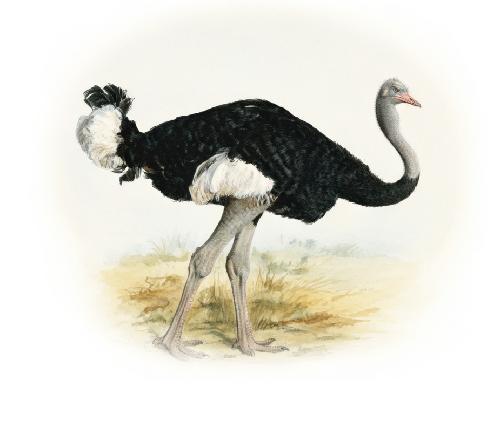
- somali ostrich
- common european toad
- Bed bug
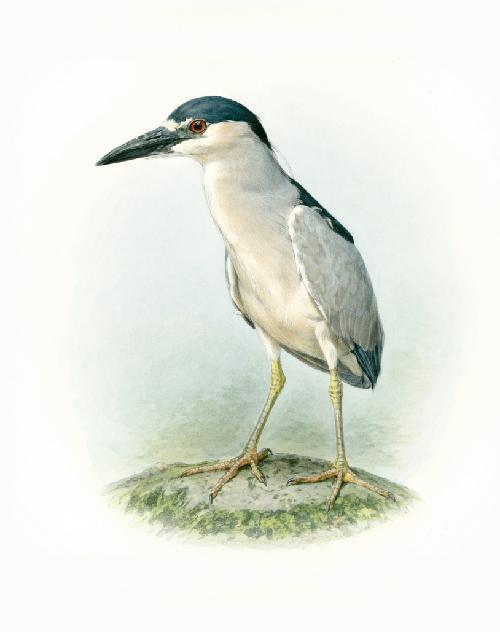
- black-crowned night heron
- Human Flea
- Dog Flea
- Oriental Rat Flea
- Hen Flea
- Northern Rat Flea
- chigoe flea
- Hedgehog Flea
- new zealand bat flea
- Martin Flea
- cat flea
- Ceratophyllus farreni
- Chaffinch Flea
- Rabbit Flea
- Mouse Flea
- sticktight flea
- Squirrel Flea
- Sparrow Flea
- Amalaraeus dissimilis
- Northern Flea
- Ceratophyllus chasteli
Find your most suitable archetypes
Archetypes are facets of personality and behaviour: sometimes a hamster, sometimes a lion. Take a test for yourself, a friend or a pet.