




















The “moluccan cockatoo” archetype
Cultural context
In the steaming lowlands of the Moluccas the salmon-crested cockatoo flashes through the canopy like white flame against dark leaves, and the same vivid pulse of joy has crossed oceans and crossed centuries. South American dancers, African drummers and Australian storytellers all keep the bird’s plume as a talisman for shared laughter that can lift an entire village, while the quiet dusk beneath the trees still holds the memory of the generations who trusted the cockatoo’s sudden call as a warning before the next storm. Its crest, raised and lowered like a living torch, has always reminded those societies that celebration is not decoration; it is the muscle that keeps memory alive and keeps the forest itself from falling silent.
Scales
Tradition sees the salmon-crested cockatoo as a living test of how boldly beauty and thought may travel together. Its crest catches every shaft of light, its ear catches every new rhythm, and its gaze pauses long enough to weigh what it has just learned before the wings open again. It loves the sudden invitation of a crowd yet slips aside to shape a private thought, trusting its own wings more than the flock’s path. Honesty runs through its voice like a straight river, and its strong frame shows the endurance of a creature that sings at dawn and still returns to its own roost when the last star fades. Even when the wind carries it away from custom, it keeps one claw on the branch that first taught it the tune.
Strong traits
The salmon-crested cockatoo turns an ordinary morning into a parade simply by lifting its crest; brightness pours from every feather, drawing every eye and every voice into the same current. Its words fly straight and sure, shaping the mood of a whole clearing before the first fruit has been shared. When it lands among its fellows the air fills with greeting calls, and the flock feels suddenly larger, braver, more awake. Yet the same brilliance can burn the bird itself if it never folds its wings, and the same ringing voice can leave quieter neighbours blinking in its sudden shadow.
Noticeable traits
Years of watching storms and fruiting seasons have taught the salmon-crested cockatoo the difference between a passing shower and a true deluge, and it offers its counsel only after the wind has settled. Its voice still carries far, rolling across the canopy like distant thunder even when it means only to greet a neighbour, so the forest sometimes wishes the bird could whisper its wisdom instead of announcing it to every leaf.
How to be around
To live beside the salmon-crested cockatoo is to keep one ear open for its sudden, brilliant song and the other tuned to the softer moment when the crest lowers and the bird turns inward.
With a woman
A woman whose heart carries the salmon-crested cockatoo’s brightness will light a room simply by entering it, arranging flowers or laughter with the same quick hand. She notices the slant of afternoon light across a table long before anyone else does, and she grows weary if the applause never stops. Offer her a quiet corner where the colours can rest, and she will return to the circle renewed, her energy once more a gift rather than a demand.
With a man
A man who speaks with the salmon-crested cockatoo’s eloquence can shift an entire argument with one well-placed phrase, yet the same gift tempts him to steer rather than share. He still values the old stories of his grandfather’s village and will defend their rhythm even while inviting new music into the square. Listen for the moment his voice slows; that is when he wants the conversation to become a true exchange rather than a performance.
With a teenage boy
A teenage boy who carries the salmon-crested cockatoo’s sociability gathers friends the way a tree gathers birds at sunset, yet after the last story he sometimes slips away to watch clouds cross the moon alone. He will abandon his own project the instant a younger child needs help carrying water, then return to his bench with fresh eyes. Let him choose when the crowd ends and solitude begins; the choice itself teaches him the measure of both.
With a teenage girl
A teenage girl who has learned the salmon-crested cockatoo’s wisdom watches an argument the way a sailor watches weather, patient until the right moment to speak. She turns every new idea over twice before she answers, and she prefers to settle disputes with a lowered voice rather than a raised one. Give her time to finish her private reckoning; the conclusion she reaches will already include room for everyone else’s dignity.
With a child
A child who echoes the salmon-crested cockatoo’s noisiness wakes the house with invented songs before the kettle has boiled, yet the same voice can quiet an entire playground when a story needs telling. Play keeps the child’s body tireless from first light until the last shadow lengthens. Let the songs ring until they soften into humming; that shift is the signal that rest has finally arrived on its own.
With an animal
An animal that shares the salmon-crested cockatoo’s inner bond with the world will perch for long minutes simply watching how light moves through leaves, and it will bristle if the household tries to rearrange its corner without asking. It keeps its own schedule of preening and calling, and any sudden change in that order is met with a raised crest and a single sharp note of protest. Respect the rhythm it has already chosen and the bird will answer with trust instead of alarm.
After a quarrel
The salmon-crested cockatoo meets conflict when its honest measure of fairness is ignored or when its strength is treated as something to be spent for another’s convenience. A woman whose word has been doubted will lift her crest and turn away, her brightness suddenly shuttered. A man whose judgment is overridden in public will answer with a single, cutting phrase that leaves the room silent. A teenage boy asked to break a promise he made to a smaller child will square his shoulders and refuse to move. A teenage girl whose careful analysis is brushed aside will withdraw into patient, unreadable quiet. A child whose game is interrupted without apology will stamp once and raise its voice until the interruption is named. An animal whose perch is seized without ceremony will beat its wings against the bars until the hand withdraws.
How to befriend
The salmon-crested cockatoo answers friendship with loyalty once it sees that its own choices are left intact and its daily order respected. A woman will remember the friend who noticed the exact shade of thread she chose for a new ribbon. A man will keep returning to the one who lets him finish his own sentence before offering another. A teenage boy feels steadier when someone simply stands at the edge of his circle without trying to lead it. A teenage girl draws closer to the listener who waits through her long pauses. A child trusts the adult who joins the song for one verse and then steps back to let the child finish it. An animal settles when its keeper places the new perch exactly where the old one stood and waits for the bird to test the change itself.
Similar archetypes
Close facets: images with a similar set of qualities.
- yellow-naped amazon
- ring-necked parakeet
- galah
- monk parakeet
- alexandrine parakeet
- chattering lory
- coconut lorikeet
- slaty-headed parakeet
Complete opposite
The opposite facet: images whose qualities point the other way.
- Cockroach (domestic, red)
- somali ostrich
- common european toad
- Bed bug
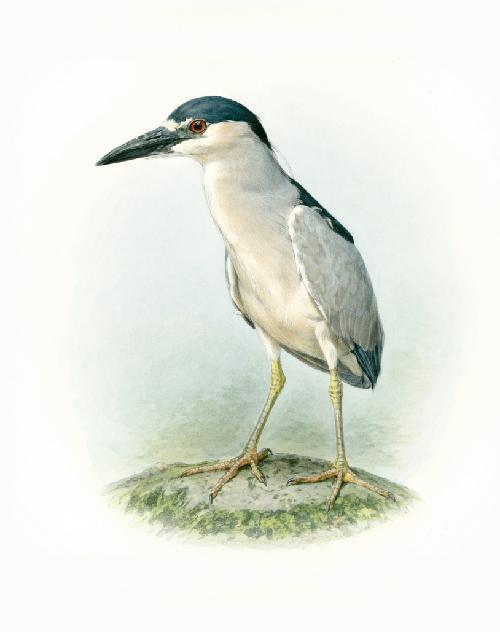
- black-crowned night heron
- Human Flea
- Dog Flea
- Oriental Rat Flea
- Hen Flea
- Northern Rat Flea
- chigoe flea
- Hedgehog Flea
- new zealand bat flea
- Martin Flea
- cat flea
- Ceratophyllus farreni
- Chaffinch Flea
- Rabbit Flea
- Mouse Flea
- sticktight flea
- Squirrel Flea
- Sparrow Flea
- Amalaraeus dissimilis
- Northern Flea
- Ceratophyllus chasteli
Find your most suitable archetypes
Archetypes are facets of personality and behaviour: sometimes a hamster, sometimes a lion. Take a test for yourself, a friend or a pet.