








The “pine siskin” archetype
Cultural context
Across northern woodlands and birch groves, the eurasian siskin flits like a living stitch of gold thread, stitching one birch catkin to another while its bright trill drifts like a thin bell through damp morning light. In European countrysides, where people prize careful hands and a steady hearth, the bird's quick eye for seed and its small, sure flight have long stood for the same quiet competence that turns a meager patch into a full pantry. Villagers once said that whoever watched a pine siskin on a late-autumn day would find the season's hidden stores, and the proverb still echoes when a neighbor quietly mends a broken fence before the first snow settles.
Scales
In these traditions the eurasian siskin moves through creation and order as neatly as a hand smoothing rumpled cloth, balancing twig against twig until every branch feels settled. Its eye lingers on the soft beauty of lichen and frost, never craving polished gold yet lighting upon each curve of bark with quiet delight. Status means little to the bird; it shows its worth by simply staying useful. The same gentle temper that lets it share a feeder with strangers keeps it loyal to old ways while still noticing a new crack of sunlight, and its modest self keeps it from ever drawing the flock off course.
Core traits
Harmony runs through the eurasian siskin like the steady murmur of wind through pine needles, settling small disputes before they rise to squawks. The bird slips between quarreling finches, softening their calls with its own cheerful note, yet sometimes lingers on the edge of a branch when a firmer stand would save the seeds for everyone. Its instinct for balance keeps the flock calm and the air light, though the calm can stretch into hesitation when swift action is needed.
Strong traits
Humility and friendliness blend like two soft greens on the siskin’s wing: the bird yields the best perch to a hungrier neighbor without fuss, and its unassuming twitter draws strangers into the same tree without anyone noticing how the gathering happened. It never trumpets its own small victories, yet its quiet welcome spreads warmth through the flock the way morning sun thaws bark. That modesty sometimes leaves it overlooked, but the bird keeps singing as if the song itself were company enough.
Noticeable traits
Luckiness glimmers in the eurasian siskin like a stray seed caught in sudden light, turning chance gusts into easy meals while the bird scarcely wonders why the wind favored it. Simplicity keeps its choices plain: a single cone, a single song, a single flight across the clearing, each done without flourish. The same plainness sometimes lets fine details slip past, but the siskin still lands where the richest cones wait and never wastes a wing-beat on unnecessary turns.
How to be around
To live comfortably beside any eurasian siskin, notice how the bird keeps its own small circle tidy before it joins another’s. Offer a steady perch, speak in low tones, and let the conversation rest on shared tasks rather than grand declarations.
With a woman
When a woman keeps an eurasian siskin’s balance in mind, she first settles the room around her before speaking her mind. If tension rises, she rearranges the chairs, pours fresh water, and only then names the disagreement, knowing the order she creates will make hard words easier to carry.
With a man
A man who carries an eurasian siskin’s humility watches the grain of the wood before he planes it, letting the board show its own beauty rather than forcing a shine. When others praise his work he merely nods and passes the plane onward, content that the finished surface speaks for itself.
With a teenage boy
A teenage boy with an eurasian siskin’s friendliness will gather stray tools for whoever needs them, yet he lingers at the edge of the circle until someone invites him closer. He answers quickly when a new idea is offered, though he still glances back at the familiar bench before stepping into unfamiliar light.
With a teenage girl
A teenage girl guided by an eurasian siskin’s luckiness trusts the sudden opening in a crowded hallway and slips through before the press closes again. She keeps her plans light enough to change when the wind shifts, but she also carries a spare pencil so chance does not have to do all the work.
With a child
A child who moves like an eurasian siskin picks one smooth stone from the path and studies its simple shape before pocketing it, leaving the rest untouched. When a puzzle grows tangled the child sets it aside, trusting that a single clear line will appear once everything else is put back in its place.
With an animal
An animal that shares the eurasian siskin’s habits returns each evening to the same branch, the same angle of light, the same brief song before sleep. Its thin bones tire quickly in long winds, so it folds its wings early and waits for calmer air rather than pushing against the gust.
After a quarrel
To disturb the eurasian siskin’s quiet sense of fairness, drop a sudden demand while it is still arranging its day, forcing it to choose between honesty and peace. A woman will fold her hands and fall silent rather than argue; a man will step back from the table without a word; a teenage boy will keep agreeing while his eyes drift elsewhere; a teenage girl will smile and then vanish around the next corner; a child will clutch its small treasure tighter and say nothing; an animal will lift once, twice, and settle on a farther limb where the air feels less crowded.
How to befriend
To earn an eurasian siskin’s trust, sit nearby without speaking until the bird itself begins the conversation, showing that seriousness can wait its turn. A woman warms when you finish the small task she left half-done; a man softens if you hand him the missing seed without being asked; a teenage boy draws closer after you share one careful joke and then let the silence settle again; a teenage girl stays near if you leave an open seat beside her and do not fill it with chatter; a child remembers the person who handed it the plain wooden spoon instead of the painted one; an animal returns to the same feeder each morning once it learns the hand that fills it stays still.
Similar archetypes
Close facets: images with a similar set of qualities.
- tibetan serin
- andean siskin
- black siskin
- eurasian siskin
- eurasian siskin
- eurasian siskin
- red siskin
- saffron siskin
Complete opposite
The opposite facet: images whose qualities point the other way.
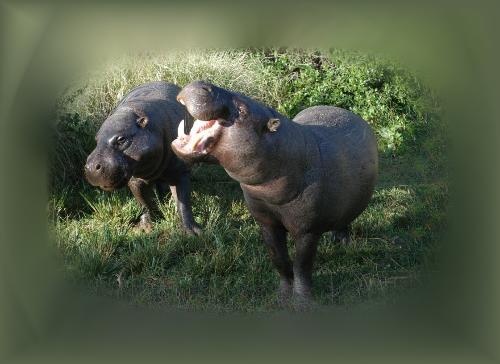
- pygmy hippopotamus
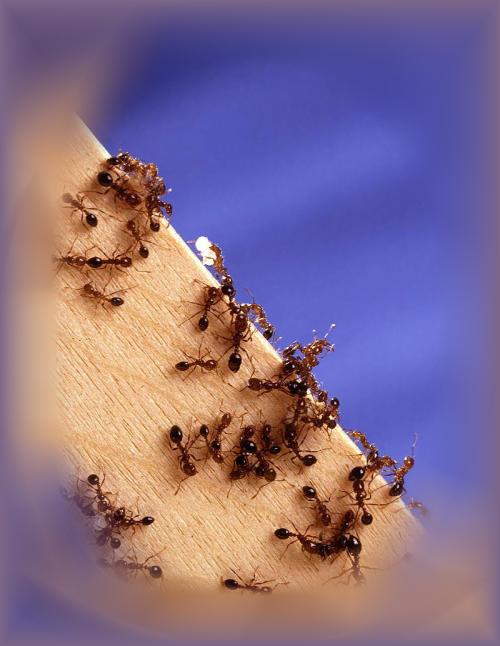
- Fire ant
- Bed bug
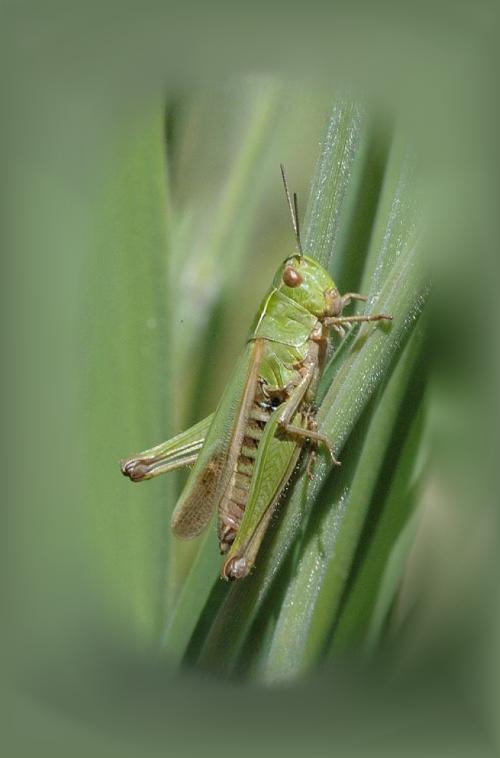
- common green grasshopper
- Wild boar
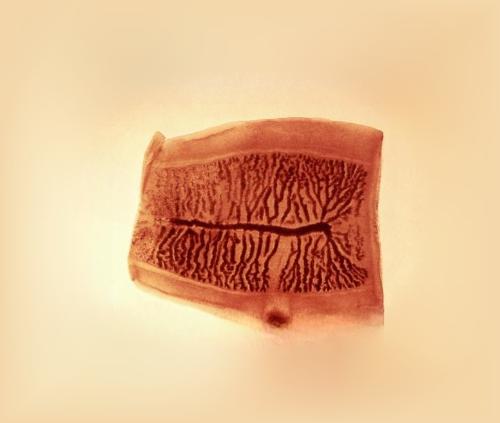
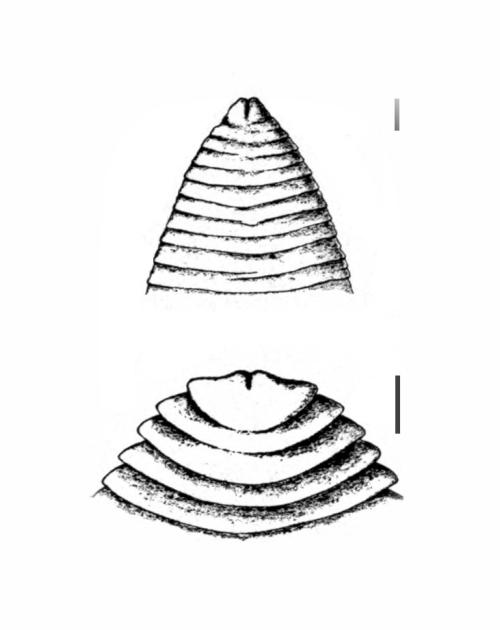
- Fox Tapeworm
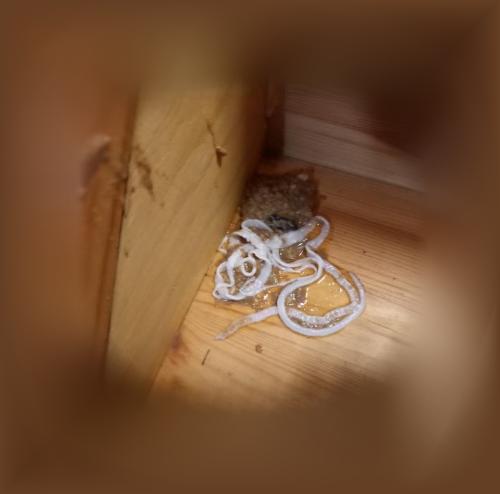
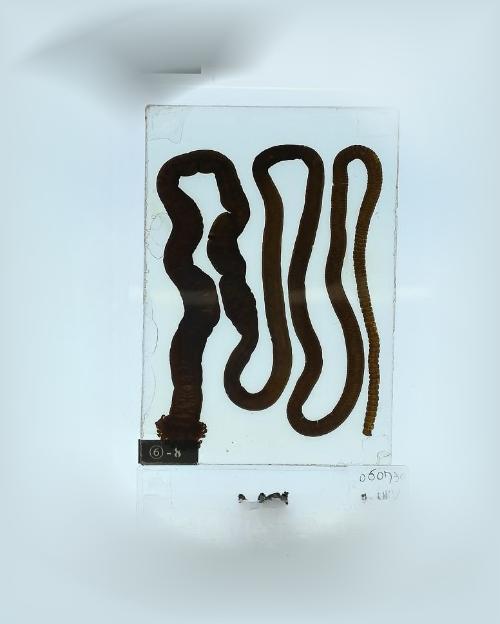
- Broad Fish Tapeworm
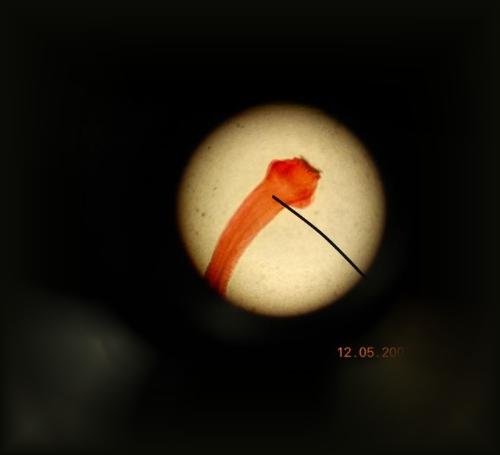
- Beef tapeworm
- Hydatid tapeworm
- Rabbit tapeworm
- Cat tapeworm
- Multiceps tapeworm
- Sparganum proliferum
- Broad Fish Tapeworm
- Echinococcus shiquicus
- Taenia crassiceps
- Echinococcus vogeli
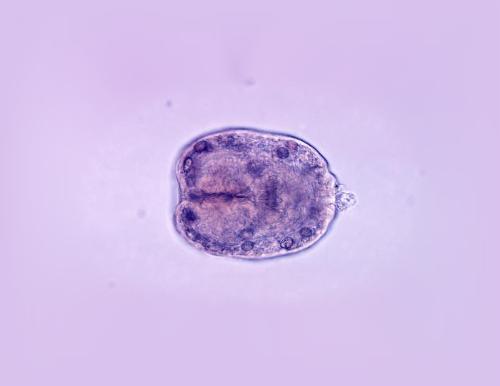
- Dwarf tapeworm
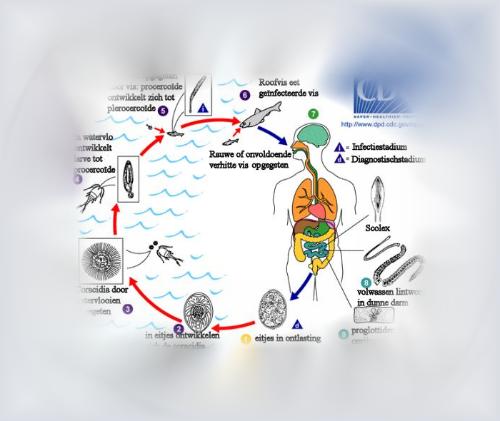
- Ligula intestinalis
- Callitetrarhynchus gracilis
- Chaetophallus robustus
- Thysanocephalum thysanocephalum
- Rugose gyrocotyle
- Nybelinia basimegacantha
- Japanese broad tapeworm
- common european toad
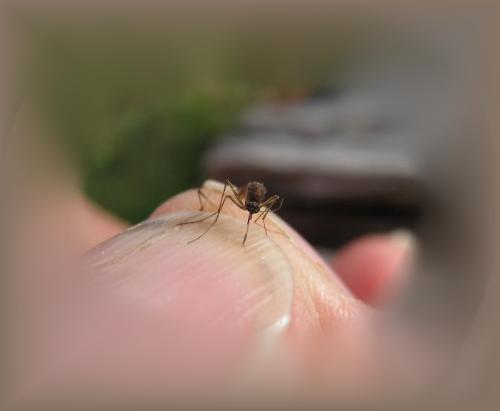
- Stream mosquito
- southern house mosquito
- western encephalitis mosquito
- Common banded mosquito
Traits and their opposites
Each trait of this archetype — and what is opposite to it.
- Simplicity ↔ Sophistication
Find your most suitable archetypes
Archetypes are facets of personality and behaviour: sometimes a hamster, sometimes a lion. Take a test for yourself, a friend or a pet.