








The “eurasian siskin” archetype
Cultural context
Across Europe and into the Russian forests the eurasian siskin has long been watched as a small traveller whose sudden flurries of yellow and black carry the scent of thaw and birch sap. Folk tales speak of the bird darting through orchard branches like a living spark, quick to spot an open gate and slip inside with a trill that turns the air bright. Its presence reminds villagers that a modest creature can still claim its share of sunlight without ever raising its voice, and the storytellers pass that picture from one hearth to another, each retelling adding the faint rustle of wings and the sharp sweetness of pine resin.
Scales
In the old stories the eurasian siskin stands for the steady making of order, weaving twigs and song into a balanced nest even when the wind threatens to scatter everything. It lingers near the beauty of new leaves and half-frozen streams, yet never parades that attention; the bird simply settles where light and shadow meet and lets the scene speak for itself. Tradition matters, but not as a cage; when fresh seeds appear on a stranger’s table the siskin samples them with a cautious hop, keeping one eye on the customary birch while the other tests the unknown grain. The same creature will slip away from a noisy flock without fuss, guarding its quiet strength, and it offers a seed or a note of song to a weaker neighbour before taking its own share, all without ceremony.
Core traits
Harmony runs through every movement the eurasian siskin makes, turning a sudden gust into an invitation to glide rather than a threat. When two flocks meet at the same feeder the bird circles once, offers a short phrase of song, and the scramble melts into a shared rhythm of pecking and preening. Yet the same gift for balance can hold a decision in mid-air; the siskin will perch on a swaying twig until dusk rather than choose which branch looks safest, letting the quiet evening settle the matter instead of forcing an early flight.
Strong traits
Humility sits inside the eurasian siskin like the muted olive of its back feathers, visible only when the sun strikes at the right angle. It yields the ripest seed to a hungrier neighbour without a flick of the tail, then continues its own meal as though nothing had changed. Friendliness flows outward in the same understated way; the bird answers every call with a brief, bright reply and draws others into a loose circle of shared warmth, though it never presses for attention or lingers when the circle begins to thin.
Noticeable traits
Luckiness travels with the eurasian siskin as surely as the north wind carries seeds; a sudden opening in the clouds often reveals a patch of thistle just when the flock needs it most. The bird rides that coincidence with cheerful wings, yet sometimes forgets to store a few extra seeds for the harder days ahead. Simplicity guides its choices: a single straight flight to the nearest branch matters more than elaborate detours, and the siskin can overlook the finer weave of a spider’s web when a plain stalk of grass already offers a clear perch.
How to be around
Approach an eurasian siskin by matching its measured pace; offer a small, steady gesture and wait for the answering tilt of the head before adding another word or step. The bird does not rush toward noise or grand promises, but it will stay close to anyone who keeps the air around it calm and uncluttered.
With a woman
A woman who carries the eurasian siskin’s balance notices when voices rise and quietly redirects the conversation toward common ground before any sharp word lands. She may delay a firm decision if the room still feels unsettled, so give her time and space rather than pressing for an immediate answer; her later choice usually settles the whole matter with fewer ripples. The same instinct makes her quick to notice the slant of afternoon light across a table or the faint scent of rain on the window, and she values when others leave those quiet details undisturbed.
With a man
A man with the eurasian siskin’s quiet confidence rarely claims the brightest patch of conversation; instead he listens until the right moment, then offers a single, well-placed observation that steadies the group. He feels the curve of a well-made tool or the clean line of a finished task more deeply than any praise, and he works best when others allow him to finish his part without turning it into a public show. His respect grows when the beauty of ordinary things is left to speak for itself.
With a teenage boy
A teenage boy of this kind builds quick friendships through small shared tasks, yet he can linger too long at the edge of a larger group, hoping for approval before stepping forward. He notices a new path through the woods or an unfamiliar tune on the radio and wants to try both, so give him room to explore without demanding he explain every detour. Praise offered too loudly can make him pull back; a brief nod when he returns is usually enough.
With a teenage girl
A teenage girl keeps an eye out for sudden chances—a cancelled class that frees an afternoon, an unexpected invitation—and meets them with a ready smile, though she may forget to pack an extra layer in case the weather turns. She dislikes being told to join every plan and will quietly step aside when the group grows too loud; respect that choice and she will return on her own terms, carrying a small offering or story from her brief absence.
With a child
A child finds the clearest path through a room full of scattered toys and settles there with a single favourite stone or leaf, content to turn it over until the light changes. Questions about deeper meanings arrive in the middle of such play, so answer them plainly and then step back; the child needs both the steady ground and the freedom to wander a little farther each time.
With an animal
An animal keeps to the same perch at the same hour each morning, the way its kind has done for generations, and startles if that rhythm is broken. Its small frame tires quickly after bursts of flight, so leave a low, sheltered branch within easy reach and do not move it once it has chosen its spot; the familiar corner and the predictable light become its daily shelter.
After a quarrel
An eurasian siskin’s calm unravels when someone breaks an unspoken agreement or drags private matters into the open air. A woman feels the break most sharply if her quiet fairness is ignored and another voice claims credit she never sought; a man withdraws when his modest work is paraded for applause he did not request. A teenage boy turns sharp if his honest doubt is laughed away in front of friends; a teenage girl retreats when group chatter presses her to reveal more than she intended. A child grows still and unreachable if a trusted rhythm is shattered without warning, and an animal ruffles and flies when its modest corner is invaded by sudden hands or voices.
How to befriend
An eurasian siskin draws nearer to anyone who honours its serious, unhurried way of moving through the day. A woman warms when her steady help is accepted without fanfare and she is allowed to slip away again once the task is done; a man stays close when a shared task is completed side by side and left to speak for itself. A teenage boy feels the first thread of trust when a companion waits for his serious question instead of rushing to fill the silence; a teenage girl returns when her small, willing offer of help is received with simple thanks and no extra debt placed upon her. A child settles when a quiet story is told and then left open for the child to finish alone; an animal learns the hand that brings food at the usual hour and does not linger when the hand withdraws.
Similar archetypes
Close facets: images with a similar set of qualities.
- tibetan serin
- pine siskin
- andean siskin
- black siskin
- eurasian siskin
- eurasian siskin
- red siskin
- saffron siskin
Complete opposite
The opposite facet: images whose qualities point the other way.
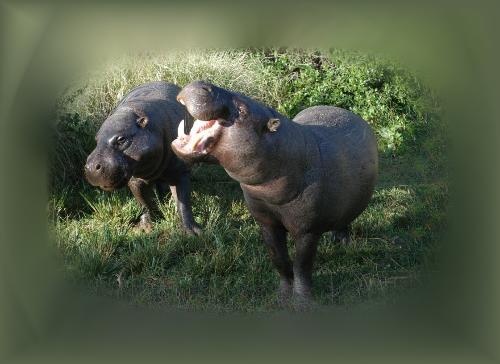
- pygmy hippopotamus
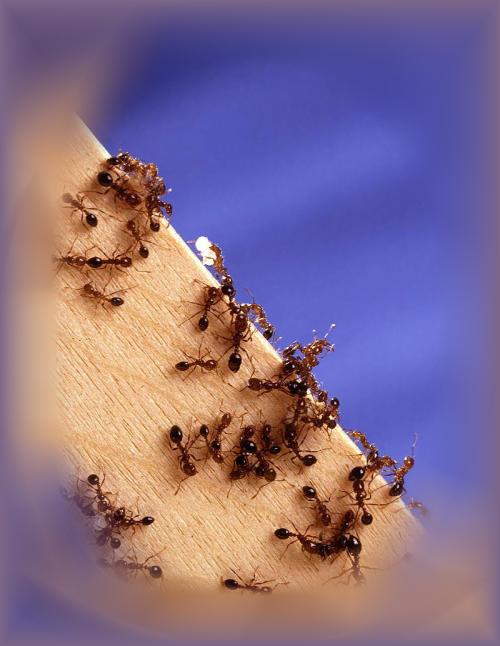
- Fire ant
- Bed bug
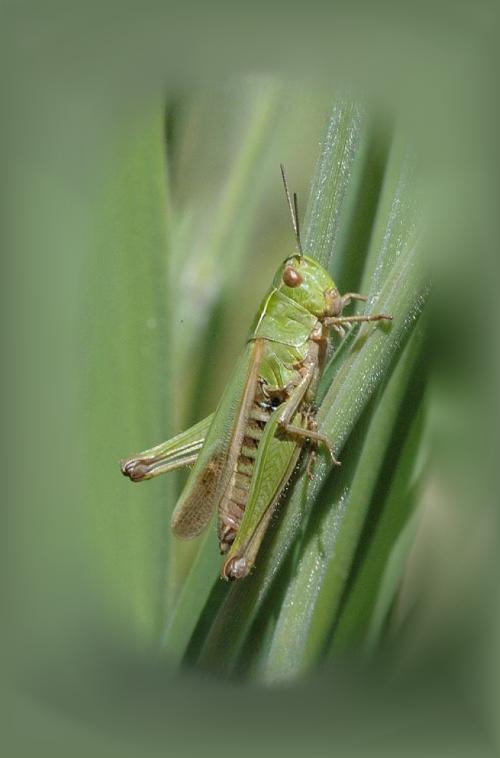
- common green grasshopper
- Wild boar
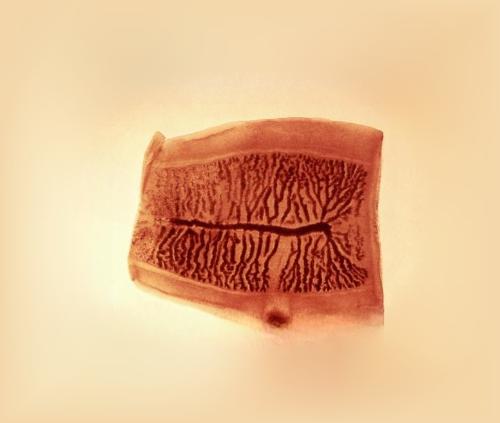
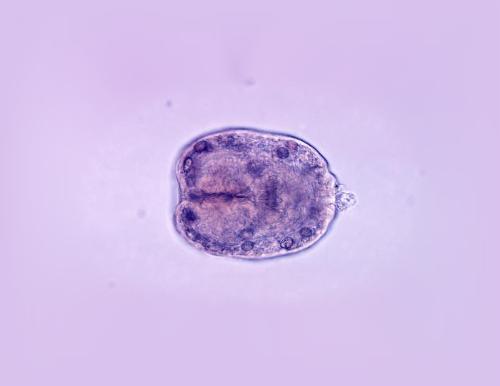
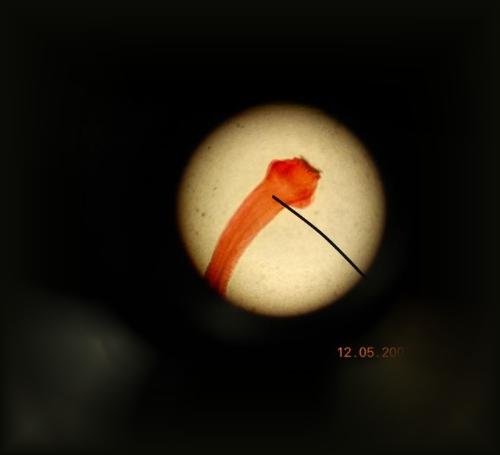
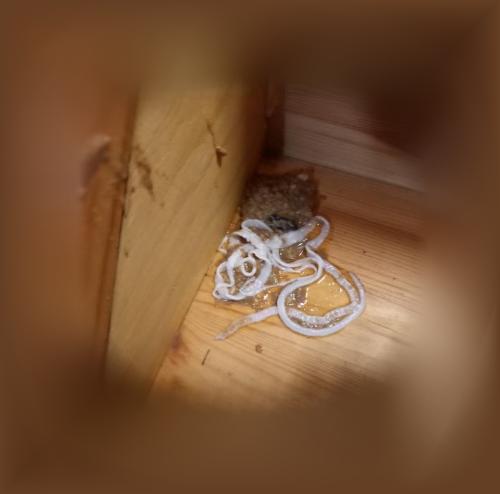
- Fox Tapeworm
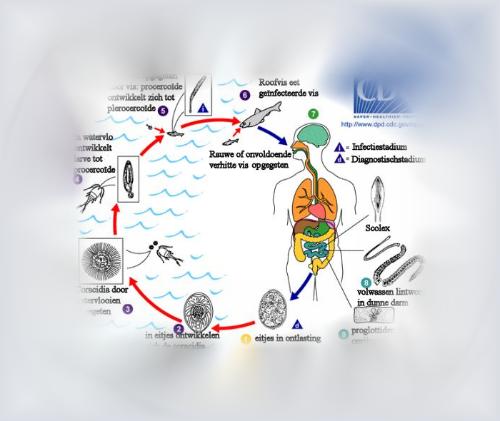
- Broad Fish Tapeworm
- Beef tapeworm
- Hydatid tapeworm
- Rabbit tapeworm
- Cat tapeworm
- Multiceps tapeworm
- Sparganum proliferum
- Broad Fish Tapeworm
- Echinococcus shiquicus
- Taenia crassiceps
- Echinococcus vogeli
- Dwarf tapeworm
- Ligula intestinalis
- Callitetrarhynchus gracilis
- Chaetophallus robustus
- Thysanocephalum thysanocephalum
- Rugose gyrocotyle
- Nybelinia basimegacantha
- Japanese broad tapeworm
- common european toad
- Stream mosquito
- southern house mosquito
- western encephalitis mosquito
- Common banded mosquito
Traits and their opposites
Each trait of this archetype — and what is opposite to it.
- Simplicity ↔ Sophistication
Find your most suitable archetypes
Archetypes are facets of personality and behaviour: sometimes a hamster, sometimes a lion. Take a test for yourself, a friend or a pet.