








The “eurasian siskin” archetype
Cultural context
Across fields and woodlands of Europe, the eurasian siskin flashes like a sliver of sunlight caught on moving water. Villagers in Russian hamlets once read its bright flight as proof that order can thrive in small spaces: the bird returns each spring to the same thicket, its wing-beat stitching one season to the next. Its yellow-green breast gleams against dark spruce, a living token of how modesty and a firm claim on one’s patch can share the same breath.
Scales
Tradition paints the eurasian siskin as an architect of balance: it stitches seed heads into neat cups, leaving no twig out of place, yet never towers above its neighbours. Beauty is felt in the precise yellow bar across a wing rather than in loud display; the bird carries that quiet refinement into every action. Change arrives only when the cone crop fails, and even then the siskin yields ground without surrendering its calm centre, preferring the familiar shelter of an old spruce to any sudden leap into unknown thickets.
Core traits
Harmony rules the eurasian siskin’s life the way a steady hand guides a spinning top. The bird keeps the flock’s chatter from fraying into quarrels, yet its very patience can let a rival linger too long at a favoured feeder. When branches bend under ice, it waits rather than fight, trading immediate victory for the chance that tomorrow the same perch will still be shared and whole.
Strong traits
A gentle humility lets the eurasian siskin slip between brambles without demanding notice; its soft whistle drifts through morning fog like steam rising from warm bread. Friendliness follows close behind: one call answered brings another, until the whole flock gleams with quick, mutual regard. Still, it never seeks the centre of attention, content to glow at the edge where its presence steadies others without fanfare.
Noticeable traits
Luck seems to ride on the eurasian siskin’s wing-beat, turning stray gusts into shortcuts toward scattered seed. It meets each shift in weather with a quick tilt of feathers and an open eye, yet the same lightness sometimes lets it glide past hidden thorns that careful planning might have avoided. Its world stays plain and workable: a cone, a twig, a song, nothing more required.
How to be around
Approach the eurasian siskin by keeping your voice low and your movements predictable, as if you were stepping through a grove where each twig crackles underfoot; sudden gestures scatter its hard-won calm and leave every small task half-finished, like an unfinished song hanging in the cold air.
With a woman
A woman shaped by the eurasian siskin’s instinct values order the way a nest-cup holds eggs. Give her time to finish lining one corner before you offer a second suggestion; she will settle disputes with a quiet word long before voices rise, but if you press too soon she may set the whole matter aside rather than risk an uneven balance.
With a man
A man who carries the eurasian siskin’s modesty shows his respect by listening first and speaking only when the silence has been filled with others’ thoughts. He notices the slant of afternoon light on a wooden table and will rearrange the cups so each catches the glow; let him set that quiet stage, then he will welcome your company without needing praise for the arrangement.
With a teenage boy
A teenage boy touched by the eurasian siskin’s friendliness will warm to any shared task that lets him pass tools or seed without being singled out. He may glance toward a new idea—perhaps a different route home—but he waits to see whether the group still feels steady before he steps forward; give him that small opening and he will return with fresh cones for everyone.
With a teenage girl
A teenage girl who carries the eurasian siskin’s luck trusts sudden chances the way the bird trusts an opening in the wind. She will agree to help rearrange a shelf if the offer arrives at the right moment, yet she keeps one ear tuned for any hint that the group expects her to follow every rule; allow her the choice to rearrange the order of tasks and she will stay engaged without feeling fenced in.
With a child
A child guided by the eurasian siskin’s simplicity finds wonder in the single bright seed on an open palm. They may overlook the fine print on a label, yet once they understand the plain purpose—feed the birds, line the box—they carry out each step with careful fingers. Let them decide which handful of seed goes into the feeder first; their small certainty will hold the whole morning steady.
With an animal
An animal that mirrors the eurasian siskin prefers the same perch at the same hour each day. Its feathers may grow thin from constant preening, yet it stays loyal to that corner of the cage as long as nothing is moved without warning. Keep the routine unchanged and it will settle without protest, accepting the familiar rhythm as its own quiet shelter.
After a quarrel
The eurasian siskin meets discord the way a sudden gust meets an open window: it folds its wings and waits for the air to still. A woman will grow silent if her careful plans are dismissed as unnecessary fuss. A man withdraws when his quiet judgment is brushed aside as overly cautious. A teenage boy stops offering help once his suggestions are laughed at in front of others. A teenage girl turns her face away if her quick changes of mind are treated as fickle. A child closes small hands around a toy and refuses to share once an adult rearranges the game without asking. An animal freezes on its perch if the cage door swings open at an unexpected hour.
How to befriend
Friendship with the eurasian siskin grows when small acts of steadiness are noticed and returned. A woman draws closer if you finish one ordinary task beside her without comment. A man accepts company when you simply sit in the same patch of light and do not ask him to speak first. A teenage boy stays near once you let him lead the way to the next feeder without racing ahead. A teenage girl lingers if you celebrate the sudden idea she brings and do not measure it against yesterday’s plan. A child trusts you after you watch, without interruption, while they count each seed they scatter. An animal settles when you place a fresh twig exactly where the old one rested and then step back.
Similar archetypes
Close facets: images with a similar set of qualities.
- tibetan serin
- pine siskin
- andean siskin
- black siskin
- eurasian siskin
- eurasian siskin
- red siskin
- saffron siskin
Complete opposite
The opposite facet: images whose qualities point the other way.
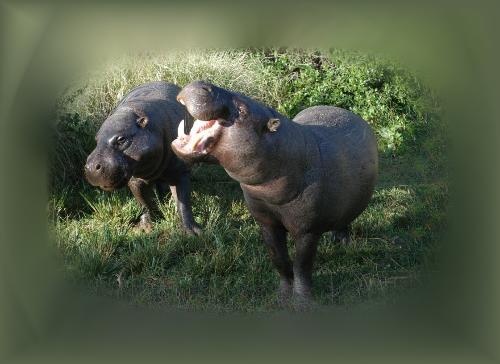
- pygmy hippopotamus
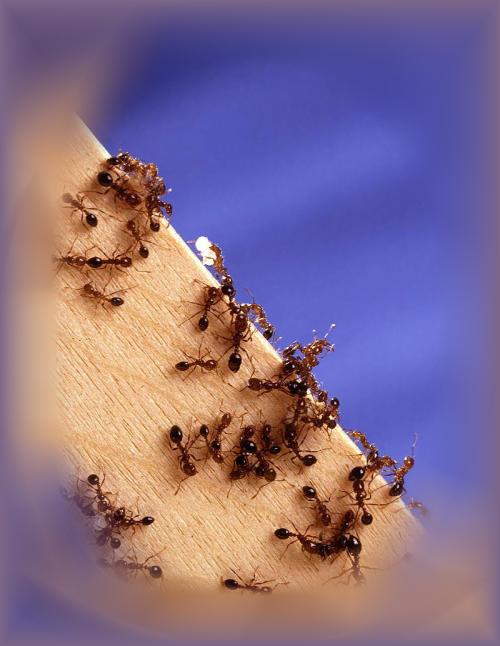
- Fire ant
- Bed bug
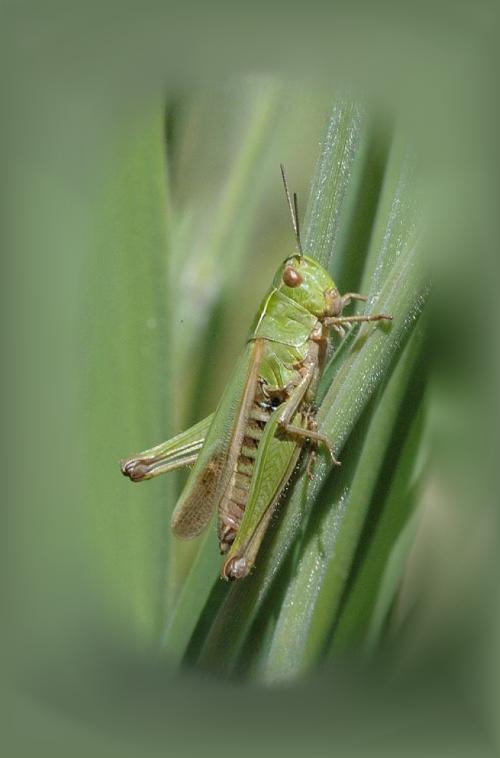
- common green grasshopper
- Wild boar
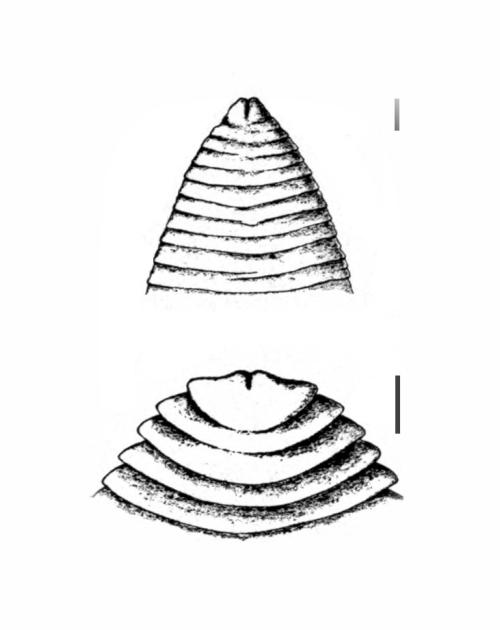
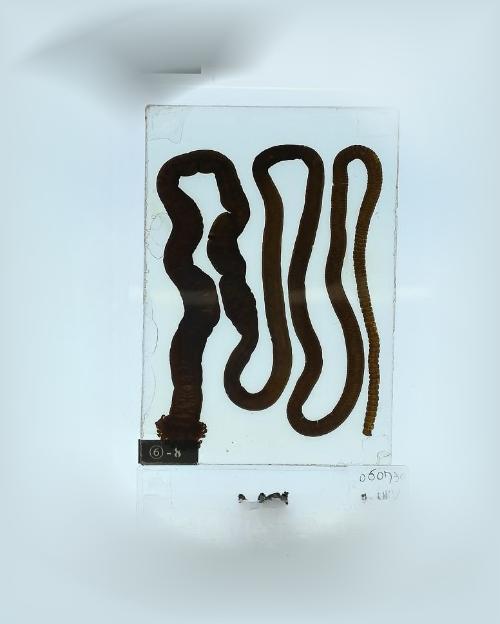
- Fox Tapeworm
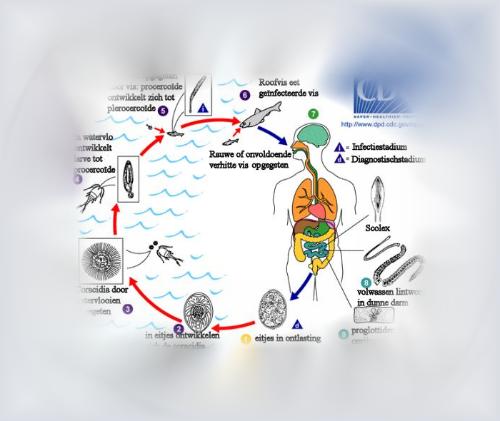
- Broad Fish Tapeworm
- Beef tapeworm
- Hydatid tapeworm
- Rabbit tapeworm
- Cat tapeworm
- Multiceps tapeworm
- Sparganum proliferum
- Broad Fish Tapeworm
- Echinococcus shiquicus
- Taenia crassiceps
- Echinococcus vogeli
- Dwarf tapeworm
- Ligula intestinalis
- Callitetrarhynchus gracilis
- Chaetophallus robustus
- Thysanocephalum thysanocephalum
- Rugose gyrocotyle
- Nybelinia basimegacantha
- Japanese broad tapeworm
- common european toad
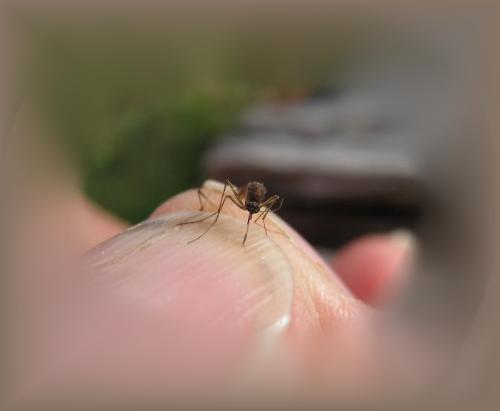
- Stream mosquito
- southern house mosquito
- western encephalitis mosquito
- Common banded mosquito
Traits and their opposites
Each trait of this archetype — and what is opposite to it.
- Simplicity ↔ Sophistication
Find your most suitable archetypes
Archetypes are facets of personality and behaviour: sometimes a hamster, sometimes a lion. Take a test for yourself, a friend or a pet.