








The “eurasian siskin” archetype
Cultural context
Long before calendars were set in ink, the eurasian siskin threaded through birch groves and orchard edges of Europe and the Russian north, its olive wings flashing like quick leaves between sunlit needles. Villagers heard its lively whistles at dawn and evening and wove the sound into tales of balance: a bird that darts yet never collides, a singer that fills the air yet leaves room for every other voice. The creature’s smallness became a proverb for the strength found in quiet order, its habit of gleaning scattered seeds a living emblem of making do with what the world already offers.
Scales
In the old stories the eurasian siskin stands for creation and order, the living pattern that turns scattered twigs into a woven nest and turns a noisy flock into a single circling cloud. Its eye catches every glint of morning light on bark, every new leaf breaking through last year’s litter, so beauty becomes the daily measure of what must be kept and what can be left behind. The bird rarely claims the tallest perch; instead it settles where branches already curve to shelter it, showing that prestige can rest in fitting the given space rather than enlarging it.
Core traits
Harmony moves through the eurasian siskin the way wind moves through young leaves: it shapes the flock without breaking a single twig. When two branches cross and tempers rise, the bird’s steady trill seems to lift the quarrel into mere music, letting every voice settle back into its proper place. Yet the same gift for smoothing edges can hold a needed change at bay, the flock circling the old roost long after the wind has shifted and a fresher shelter waits just over the next hedge.
Strong traits
Humility keeps the eurasian siskin’s colours soft, its green-gold feathers never shouting for notice yet drawing every eye that lingers. It slips between larger wings without jostling, content to let the brighter plumage claim the outer branch while it works the shaded cones. Friendliness travels with it in quick, low calls that invite stray birds closer; the flock loosens, then tightens again around the newcomer, a living circle that warms without crowding.
Noticeable traits
Luckiness rides the eurasian siskin like a stray breeze: a sudden gust lifts last season’s seed heads exactly where the bird waits, and the small harvest fills its crop before noon. The same lightness of fortune can make the bird linger on an empty branch after the wind changes, trusting that another seed will appear rather than flying farther to search. Simplicity shows in the plain cup of twigs it builds, lined only with the down already drifting on the air, a nest that holds warmth without ornament yet shelters each egg as surely as any palace.
How to be around
To move well beside an eurasian siskin, keep your hands light and your timing gentle. Watch where the flock settles before you step closer; when the birds resume their soft foraging, your presence has been accepted and the shared rhythm can continue undisturbed.
With a woman
A woman who carries the eurasian siskin’s gift for harmony keeps rooms and conversations evenly lit, smoothing the sharp edges of an argument before voices rise. Offer her the next practical step rather than a debate; she will fold the new task into the existing order as naturally as moss covers an old stone, and the household rhythm stays unbroken.
With a man
A man of the same quiet strength notices every shift in light across the table or the garden wall, shaping his day around what already pleases the eye. Let him rearrange a shelf or choose the evening’s playlist; his adjustments are small acts of devotion, and the room grows more livable without any announcement of change.
With a teenage boy
A teenage boy listens for the newest song drifting from an open window, ready to join whatever circle is forming on the steps outside. When the group pauses, his suggestion of a different bench or an untried chord feels less like defiance than an open door, and the evening moves forward with the whole company still together.
With a teenage girl
A teenage girl catches the moment a friend’s laughter turns thin and slips beside her with an extra scarf or an unasked-for story. She rarely argues when the circle tightens around an old plan; instead she waits until the walk home, when one quiet question can loosen the knot without anyone losing face.
With a child
A child finds the single smooth pebble among dozens and holds it up as though the day had been arranged around that discovery alone. When the game grows tangled, the same child returns to the pebble’s simple shape, content to start the play again from the beginning rather than push the rules into something more complicated.
With an animal
An animal settles on the same perch each dusk, its claws finding yesterday’s grooves in the branch as though the wood itself remembers. Sudden rearrangement of cage or room unsettles the settled rhythm; leave the familiar corner untouched and the creature resumes its soft preening, the evening restored to its expected order.
After a quarrel
To quarrel with an eurasian siskin is to scatter the careful weave of sound and light the bird keeps around itself. A woman turns silent when a new demand crowds the schedule she has already balanced; a man draws back when his modest arrangement of objects is called into question. A teenage boy grows still when his tentative suggestion is brushed aside before the group can hear it; a teenage girl’s face clouds if her quiet offer of help is treated as nothing. A child’s hands tighten around the chosen pebble when someone insists on a louder game; an animal freezes on its perch, the usual soft calls gone until the air settles again.
How to befriend
To befriend an eurasian siskin, match the measured pace at which the bird adds one new twig at a time. A woman warms when you notice the single rearranged cushion that makes the whole room feel steadier; a man brightens at an unhurried question about the light falling across a particular shelf. A teenage boy stays close if you let his newest tune play to the end without interruption; a teenage girl lingers when you accept the scarf she offers without turning it into a larger gesture. A child trusts you after you sit with the pebble and simply turn it in your palm; an animal accepts your nearness once you have shared the same branch for several quiet dusks without moving anything.
Similar archetypes
Close facets: images with a similar set of qualities.
- tibetan serin
- pine siskin
- andean siskin
- black siskin
- eurasian siskin
- eurasian siskin
- red siskin
- saffron siskin
Complete opposite
The opposite facet: images whose qualities point the other way.
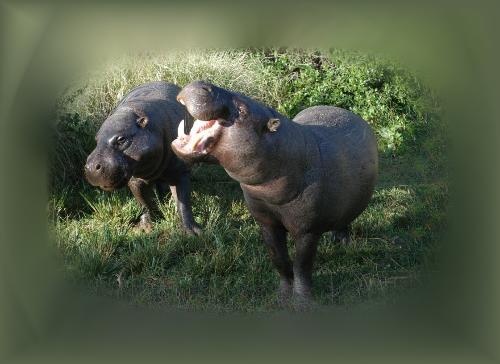
- pygmy hippopotamus
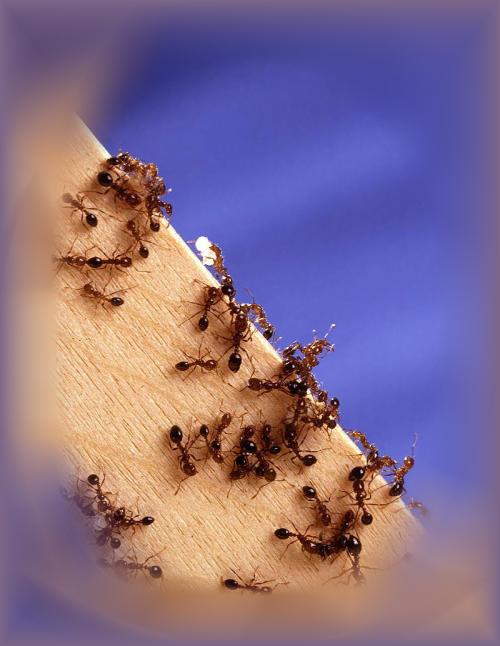
- Fire ant
- Bed bug
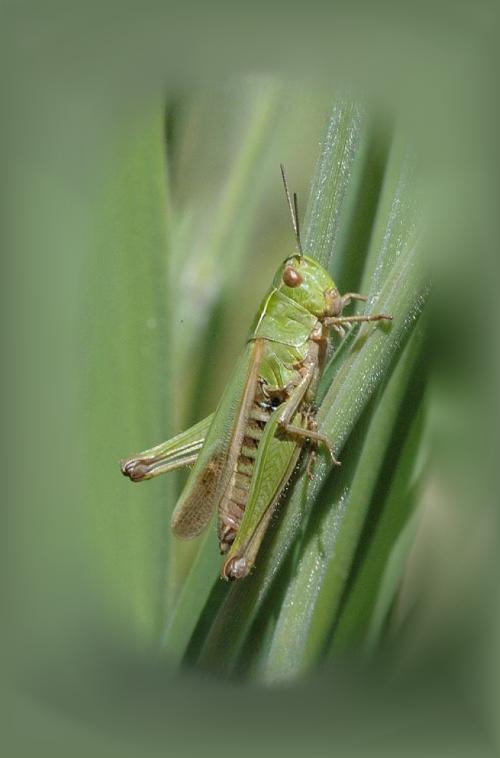
- common green grasshopper
- Wild boar
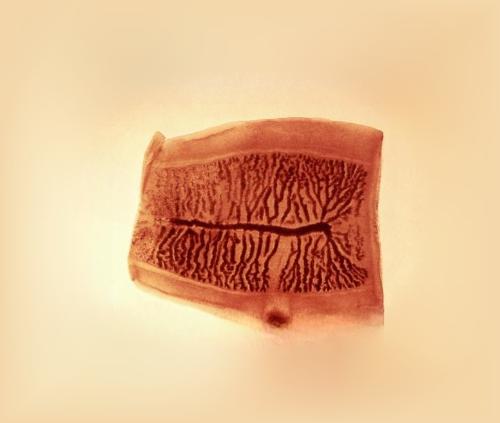
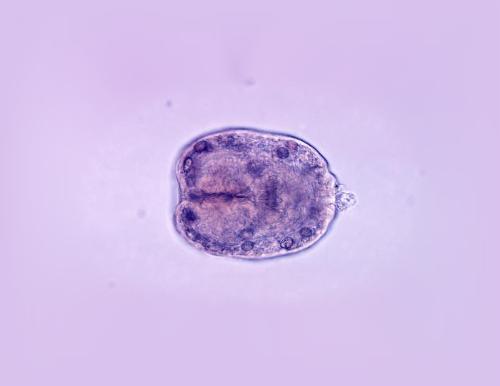
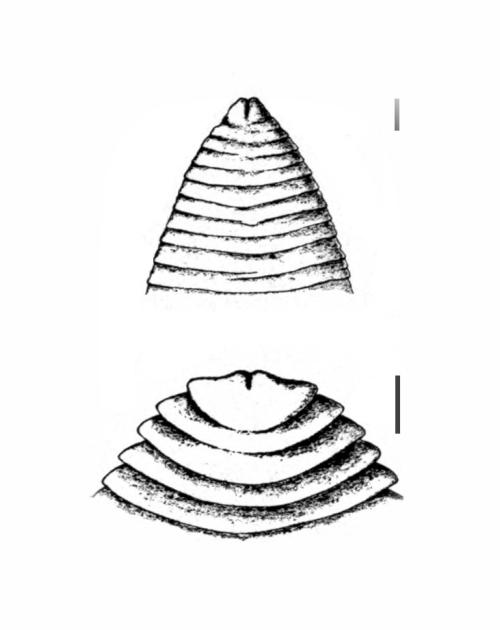
- Fox Tapeworm
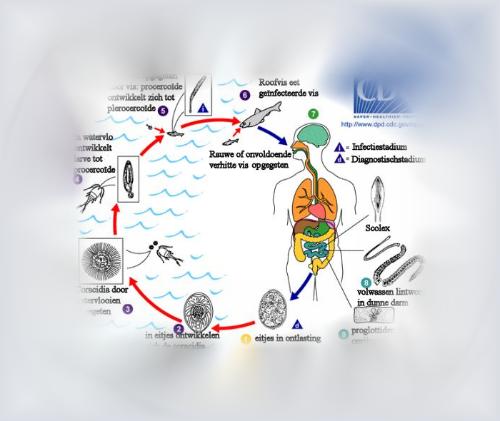
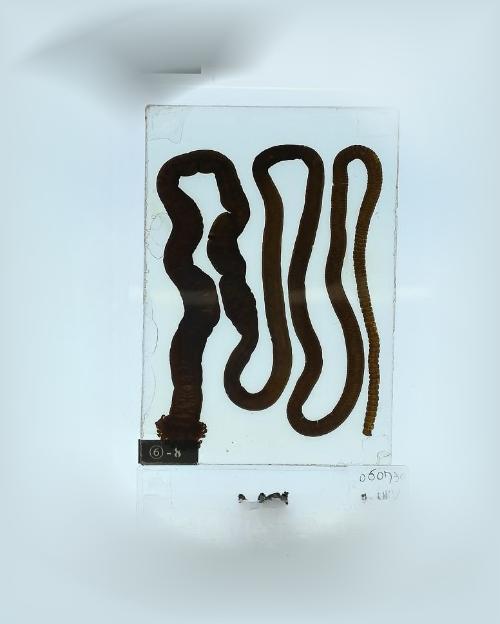
- Broad Fish Tapeworm
- Beef tapeworm
- Hydatid tapeworm
- Rabbit tapeworm
- Cat tapeworm
- Multiceps tapeworm
- Sparganum proliferum
- Broad Fish Tapeworm
- Echinococcus shiquicus
- Taenia crassiceps
- Echinococcus vogeli
- Dwarf tapeworm
- Ligula intestinalis
- Callitetrarhynchus gracilis
- Chaetophallus robustus
- Thysanocephalum thysanocephalum
- Rugose gyrocotyle
- Nybelinia basimegacantha
- Japanese broad tapeworm
- common european toad
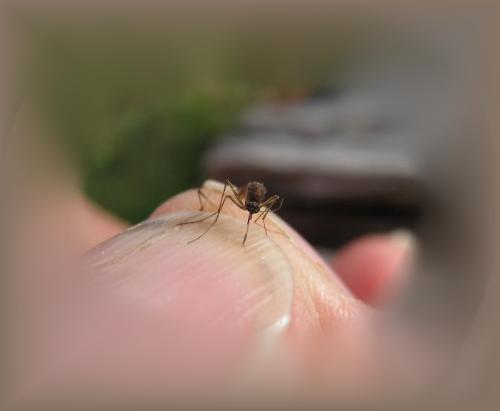
- Stream mosquito
- southern house mosquito
- western encephalitis mosquito
- Common banded mosquito
Traits and their opposites
Each trait of this archetype — and what is opposite to it.
- Simplicity ↔ Sophistication
Find your most suitable archetypes
Archetypes are facets of personality and behaviour: sometimes a hamster, sometimes a lion. Take a test for yourself, a friend or a pet.